A perfectly fitting Tissot watch feels like an extension of your wrist, smooth, secure, and elegant. But factory settings rarely match every wrist size, especially with popular models like the Tissot PRX or Le Locle. If your metal bracelet is too loose or too tight, you do not need to visit a jeweler right away. With the right tools and technique, you can adjust a Tissot watch band at home safely and precisely.
This guide covers everything you need to know: how to remove links from a metal bracelet, use micro-adjustments, avoid common mistakes, and reassemble your band like a pro. Whether you are resizing for comfort, gifting, or seasonal changes, these steps work for most Tissot models using pin-and-collar or split-pin systems.
Identify Your Tissot Band Type
Before making any adjustments, confirm what kind of band your Tissot uses. The method depends entirely on the design.
Metal Bracelet With Removable Pins
Found on models like the Tissot PRX, this style uses solid links held together by small metal pins. These pins can be pushed out to remove links for a custom fit. Look for tiny arrows engraved inside the back of the links. They show the direction to push the pin.
This method works best for permanent resizing and requires a pin pusher, tweezers, and a soft work surface.
Micro-Adjustable Folding Clasp
Many modern Tissot watches include a micro-adjustment system under the clasp. It allows small, reversible changes without removing any links. You can adjust by one to two millimeters per setting.
This method works best for daily wear tweaks and requires only a flat-tip screwdriver or pin pusher.
Quick-Release Strap System
Some Tissot models let you swap straps without tools. A spring bar at the lugs releases when pressed with a proprietary tool. This is not for resizing, only for changing between different strap materials.
Gather the Right Tools

Using proper tools prevents scratches, pin jams, and lost parts.
Must-Have Tools
A pin pusher with a 1.2 to 1.4 millimeter tip pushes pins out cleanly without damaging them. A soft work surface like a cloth, foam pad, or rubber mat protects the watch during adjustment. Tweezers or needle-nose pliers retrieve tiny pins and collars. A flat-tip jeweler’s screwdriver works for micro-adjustment pins. A soft-tipped hammer made of plastic or rubber gently taps pins back in without marring the metal.
A full watchmaker’s toolkit costs under fifteen dollars on Amazon and pays for itself over time.
Tools to Avoid
Nail clippers, paperclips, regular screwdrivers, and excessive hand pressure can scratch, bend, or jam the pins. These tools are especially risky with Tissot’s precision pin-and-collar system.
Find Which Links to Remove
Not all links are removable. Removing the wrong ones ruins symmetry and weakens the band.
Look for Engraved Arrows
Flip the bracelet over and inspect the inner side of the links. Arrows indicate the direction to push the pin. Only remove links with arrows, which are usually located near the clasp.
Never remove end links attached directly to the watch case.
Remove Evenly From Both Sides
To keep the clasp centered, remove the same number of links from each side. One link per side equals approximately ten millimeters of total reduction. Each link measures about five millimeters in length.
The goal is for the clasp to sit centered on the underside of your wrist.
Understand the Pin System
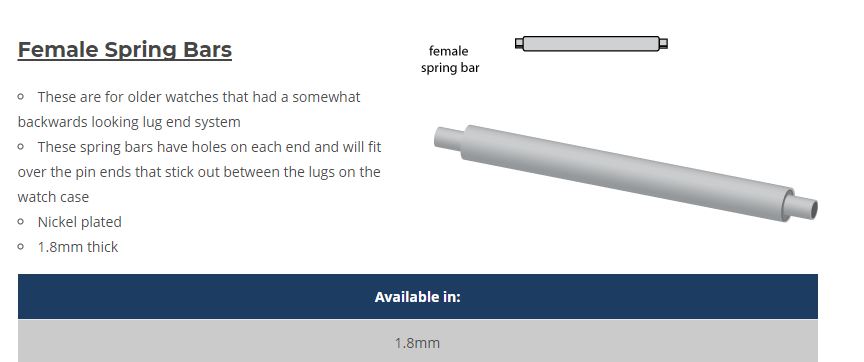
Tissot uses two main types. Knowing yours prevents frustration during adjustment.
Pin-and-Collar System
This system is used in the PRX, Le Locle, and many modern models. A solid pin passes through a metal collar inside the link. The collar provides tension and stops rattling. You must retain the collar during removal because it is essential for reassembly.
If the pin will not move, your tool tip may be too large and pressing on the collar instead of the pin.
Cotter Split Pin System
Found in older or budget models, this system uses a pin with a split end that expands slightly in the hole. It requires more force to start moving. Once protruding, you might see a slight flare under light.
Use a light hammer tap with the pin pusher to break initial resistance.
Remove Links Step by Step
Follow this process to resize your Tissot metal bracelet safely.
Prepare the Watch
Lay the watch on a soft surface with the crystal facing down. Open the clasp to release tension. Measure your wrist and decide how many links to remove. Start conservatively because it is better to be slightly loose than too tight.
Remove Micro-Adjustment First
Some models like the PRX have a clasp extension locked by a small pin. Use a flat-tip screwdriver to push out the micro-adjustment pin. Slide the extension out to gain full access to adjacent links.
Align the Link Correctly
Position the bracelet so the arrow points downward. The thicker end of the pin faces upward because pins are often tapered.
Push Out the Pin
Insert the pin pusher into the hole aligned with the arrow. Apply steady pressure or tap lightly with a soft hammer. Push until the pin protrudes enough to grab with tweezers. Pull it out slowly while watching for the collar if present. Repeat on the other end of the same link. Slide the link out.
If the pin sticks, try pushing from the opposite side to free it.
Reassemble the Bracelet Properly
Reinserting the pin correctly ensures durability and a clean look.
Use the Original Pin
Tissot pins are precision-fitted. Do not substitute with generic ones.
Insert in the Correct Direction
Push the pin from the same side it came out by following the arrow. Start with the thinner end entering first. Align all holes perfectly before pushing.
Tap Until Flush
Hold the band steady or use a watch holder. Use a soft-tipped hammer to tap gently. Stop when the pin is flush or slightly recessed. Never leave it protruding because it can catch on clothes or skin.
Over-tapping can deform the pin or damage the link.
Use Micro-Adjustment for Fine Tuning
After removing links, fine-tune the fit without further disassembly.
How It Works
The clasp has one to two adjustment holes under the folding arm. This lets you shorten or lengthen by one to two millimeters per position. It is fully reversible and non-destructive.
Adjust the Clasp
Open the clasp fully. Use a flat-tip tool to push out the micro-adjustment pin. Lift the clasp arm and slide it to the next hole. Reinsert the pin one side at a time. Flip the watch over to ensure both ends are seated.
This method works best for wearing over a shirt cuff, temperature swelling, or seasonal changes.
Balance the Clasp Position
A centered clasp looks better and feels more comfortable.
Check Wrist Placement
Put the watch on and observe where the clasp sits. Ideally it rests at the bottom center of the wrist. If it is off-center, adjust by removing unequal links per side.
For example, remove two from the left and one from the right to shift the clasp rightward.
Maintain Aesthetic Flow
Tissot integrated designs like the PRX rely on symmetry. An off-center clasp breaks the clean line from case to band.
Avoid Common Mistakes
Even experienced users make these errors that can damage their watch.
Pushing From the Wrong Side
This causes the pin to bind or jam and can damage internal threading or the collar seat. Always follow the arrow direction.
Losing the Collar
The tiny metal sleeve falls out unnoticed. Without it, the pin will not stay tight and may rattle or fall out. Work over a tray or cloth to catch small parts.
Using the Wrong Tool Size
A too-wide tip pushes against the collar instead of the pin. This results in a stuck pin even with applied force. Use a 1.2 to 1.4 millimeter pin pusher, which is standard for Tissot.
Over-Tightening the Pin
This can deform the pin or compress the link and makes future removal harder. Tap gently until flush and no more.
DIY vs Professional Adjustment
Decide whether to do it yourself or visit a jeweler based on your experience level.
DIY Pros and Cons
DIY adjustment saves money after the initial tool purchase and gives you full control over fit and symmetry. You also learn a skill for future use. The risks include scratching or pin damage if improper tools are used. Small parts are easily lost. Cheap tools may lack precision.
DIY works best for confident beginners, gifting, or multiple adjustments over time.
Professional Service
Many jewelers offer free resizing if you purchased the watch from them. Costs range from zero to thirty dollars, often described as the price of a coffee. This option is safer for first-time users or high-value watches.
Maintain Your Adjusted Band
Keep your Tissot looking and functioning perfectly after adjustment.
After Adjustment
Wear the watch for a day and check for loose pins or rattling. Ensure all links move smoothly and the clasp locks securely. Clean with a soft brush and mild soapy water. Dry thoroughly, especially around joints.
Store Removed Links
Keep removed links in a labeled bag with their original pins and collars. Future wrist changes may require reinstallation.
Final Fit Checklist
Use this before declaring your adjustment complete.
The clasp should be centered on your wrist. You should be able to fit one finger between the band and your skin. There should be no protruding pins. All links should move smoothly. Test the micro-adjustment feature. Clean and store all tools properly.
The golden rule is that it is better to be slightly loose than too tight, especially with solid metal bands.
Frequently Asked Questions About Adjusting a Tissot Watch Band
Can I adjust my Tissot watch band without special tools?
You need specific tools for safe adjustment. A pin pusher with a 1.2 to 1.4 millimeter tip is essential. Tweezers, a soft hammer, and a flat-tip screwdriver help with different steps. Using improvised tools like paperclips or nail clippers risks scratching the finish or damaging the pins.
Does adjusting my Tissot void the warranty?
No, adjusting the band does not void the Tissot warranty as long as no damage occurs. However, damage from improper tools or excessive force may not be covered. Always use correct tools and follow proper procedures.
How many links can I remove from my Tissot bracelet?
Most Tissot bracelets allow two to four links per side to be removed. Each link reduces the band by approximately five millimeters. Start with fewer links and test the fit because you can always remove more later.
Why won’t the pin move when I try to remove a link?
If the pin will not move, your tool tip may be too large and pressing on the collar instead of the pin. The pin pusher must be smaller than the pin diameter. Try using a smaller tool or pushing from the opposite direction to free the pin.
Can I use micro-adjustment instead of removing links?
Micro-adjustment works for fine-tuning after link removal. It provides one to two millimeters of adjustment per position. Use micro-adjustment for daily wear variations, but remove links for major size changes.
What should I do if I lose a collar during adjustment?
Visit an authorized Tissot service center if you lose a collar or pin. The collar is essential for preventing rattle and maintaining proper tension. Replacement collars are not interchangeable with generic parts.
Key Takeaways for Adjusting Your Tissot Watch Band
Adjusting a Tissot watch band is a simple, satisfying task when done correctly. Start by identifying your band type and gathering proper tools like a pin pusher and soft hammer. Remove links evenly from both sides while following the arrow direction, and always preserve the internal collar. Use micro-adjustment for fine-tuning after resizing. Test the fit before declaring the adjustment complete, and store removed links for future needs. With the right tools and attention to detail, your Tissot will look and feel professionally adjusted without leaving home.