You’ve seen the marketing claims: “unlimited battery life” with a Garmin watch solar charge. But what does that actually mean for your daily use? If you’re considering a solar-powered Garmin like the Instinct 3 Solar, fēnix 7X Solar, or Forerunner 965, you likely want to know whether solar charging delivers real benefits or is mostly hype.
The truth is, Garmin’s solar technology isn’t magic. It won’t fully recharge your watch in minutes or eliminate charging entirely. However, under the right conditions, it can significantly extend battery life, especially for outdoor adventurers, hikers, cyclists, and endurance athletes who spend hours in direct sunlight.
This guide cuts through the marketing noise and delivers practical insights based on user experiences and technical data. You’ll learn how solar charging actually works, which models support it, how to maximize energy gains, and whether the solar upgrade makes sense for your lifestyle.
How Garmin Solar Charging Technology Works
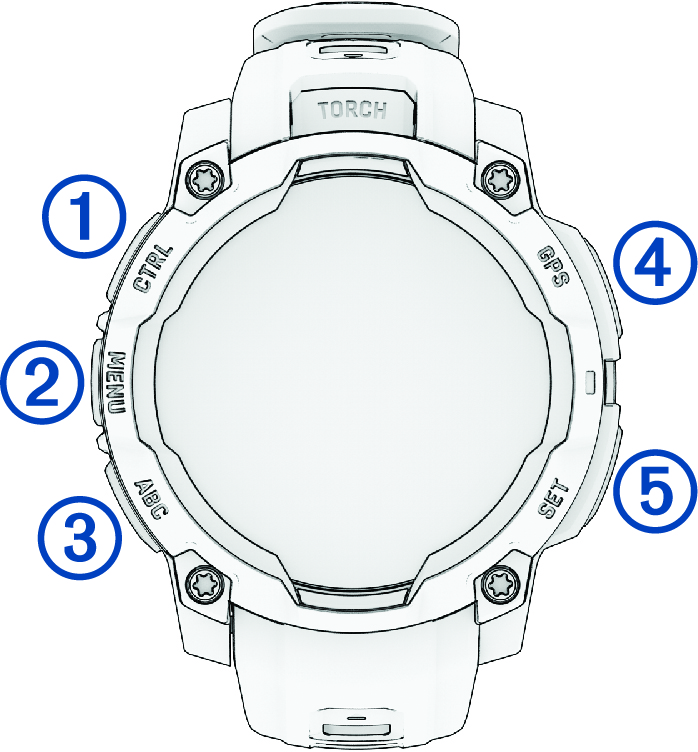
Garmin’s solar watches use a semitransparent photovoltaic layer embedded beneath the display lens. This invisible solar panel captures sunlight and converts it into electrical energy to charge the internal battery without blocking visibility or touchscreen function.
Power Glass and Power Sapphire Explained
The solar technology is built into the watch’s cover glass using one of two proprietary systems. Power Glass is found in most solar models and captures ambient and direct light efficiently. Power Sapphire is a premium version protected under a solar-powered sapphire crystal, offering superior scratch resistance and optical clarity alongside solar harvesting.
Unlike traditional solar panels, Garmin’s system works passively. No activation is needed. As long as light hits the screen, energy is harvested automatically.
Real-Time Solar Feedback on Newer Models
Models like the Instinct 3 Solar and fēnix 7X Solar include a solar intensity widget that shows current lux level, a 6-hour solar exposure graph, a 7-day solar trend view, and an indicator confirming active solar charging. This data helps you gauge how much energy you’re gaining and adjust your habits accordingly.
Best Conditions for Solar Charging Performance

Solar charging isn’t equally effective all the time. Performance depends heavily on light intensity, exposure duration, and environmental conditions.
Lux Levels That Matter
Solar charging only becomes meaningful above 50,000 lux, a threshold achievable in bright daylight. Indoor lighting ranges from 100 to 1,000 lux and provides negligible charging. Overcast sky conditions range from 1,000 to 10,000 lux and deliver minimal charging. Full sunlight ranges from 30,000 to 100,000+ lux and provides optimal charging conditions.
At 50,000 lux or higher, solar input can balance or exceed power consumption in smartwatch mode, leading to zero net battery loss or even battery gains.
Peak Charging Times
Peak solar charging occurs between 10 AM and 3 PM when the sun is highest. During these hours, UV and visible light intensity are strongest. Reflections from snow, sand, or water can boost exposure significantly. Even 30 to 60 minutes of direct sun adds measurable charge.
One user reported their Instinct 3 Solar stayed at 56% all day with consistent sun exposure, demonstrating that solar can stabilize battery levels effectively.
Garmin Models with Solar Charging Support
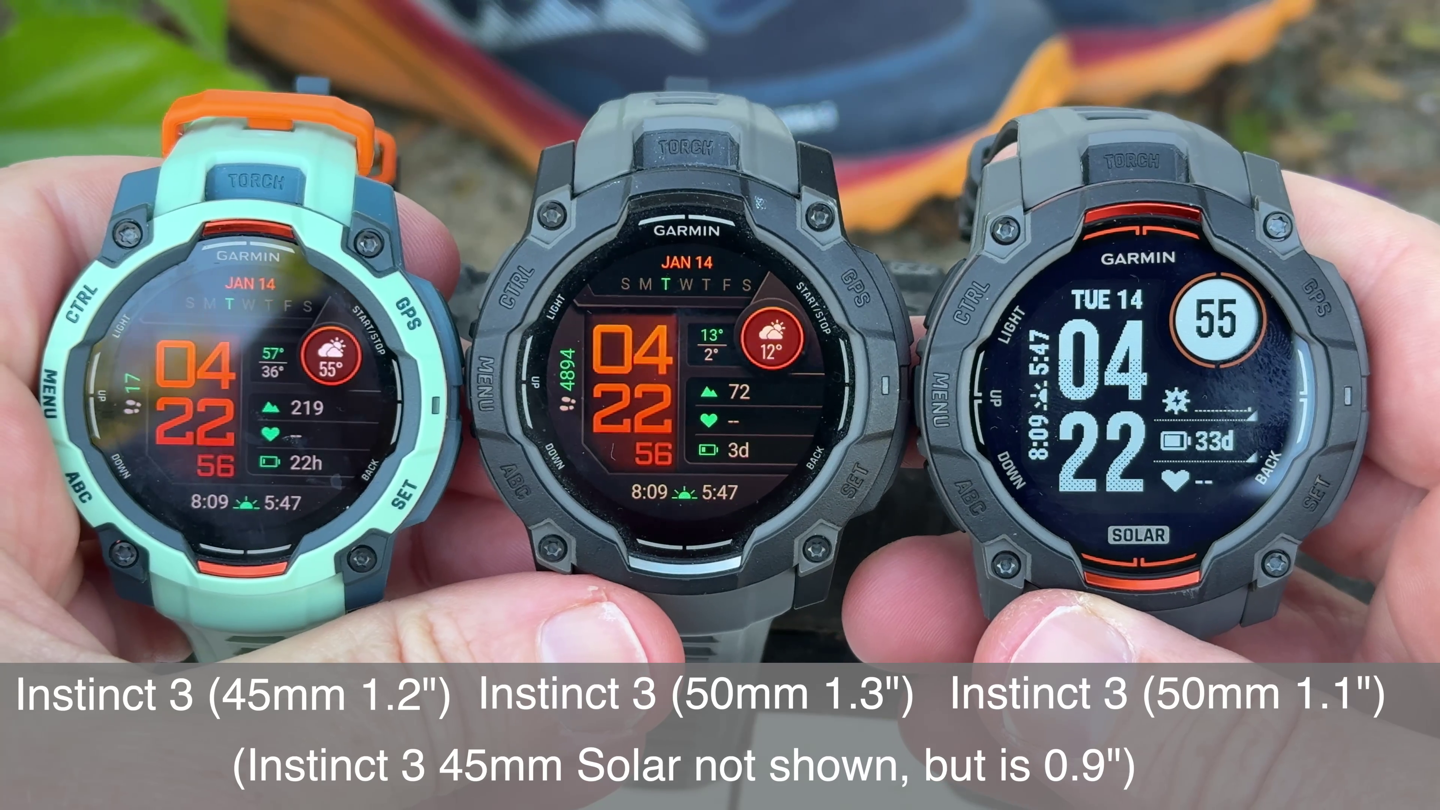
Not all Garmin watches have solar. The feature is available across select lines, primarily targeting outdoor and endurance users.
Smartwatches with Solar
The Instinct series includes Instinct Solar, Instinct 2 Solar, Instinct 2X Solar, and Instinct 3 Solar. The fēnix series includes fēnix 6X Solar, fēnix 7 Solar, fēnix 7S Solar, and fēnix 7X Solar. The Forerunner series includes Forerunner 255 Solar, Forerunner 265 Solar, Forerunner 945 Solar, and Forerunner 965. The epix series includes epix Gen 2 Solar, epix Pro Gen 2 Solar, and epix Gen 3. The Venu series includes Venu 2 Plus Solar and Venu 3 Solar.
Cycling and Outdoor Devices
The Edge 840 Solar and Edge 1040 Solar gain approximately 20 extra minutes of battery per hour of riding in direct sunlight. The Approach G20 is a solar-powered golf GPS. The quatix 8 Pro is a marine watch with solar charging and SOS capabilities.
Real-World Battery Life Gains from Solar
Garmin claims unlimited battery life for models like the Instinct 2X Solar, but only under specific conditions. These include 3 or more hours of daily sun exposure at 50,000 lux or higher, all-day wear, and minimal GPS and Pulse Ox use. When met, the watch may display an infinity symbol, signaling solar input matches or exceeds power draw.
Verified User Reports
Actual gains vary widely among users. One user with a Forerunner 955 Solar gained approximately 1% per hour in full sun while the watch was stationary. A user with an Instinct 2X Solar reported zero net loss despite using notifications, sleep tracking, and flashlight with 1 to 2 hours of daily sun. A user with a fēnix 7X Solar added 1 to 2 days per charge during summer hikes. A user with a fēnix 6 Pro Solar gained only half a day extra after a 7-day sunny hike.
One user logged 530,000 lux-hours in a single day and saw a 14% battery gain, which represents a rare but possible outcome under ideal conditions.
Cycling-Specific Gains
On the Edge 1040 Solar, riders report 20 extra minutes of battery per hour in direct sunlight. This makes solar especially valuable for ultra-endurance cyclists and bikepackers who need extended GPS tracking without charging stops.
Why Indoor Use Renders Solar Ineffective
If you work indoors, don’t expect solar to help. Most office lighting ranges from 100 to 1,000 lux, far below the 50,000 lux needed for meaningful charging.
Users report zero solar intensity during full indoor days. One user calls solar a total waste of money for indoor users. Another notes that base battery life is already long, making solar gains negligible without sun exposure.
Even sitting near a window won’t help much because glass blocks UV rays that are critical for charging efficiency.
Tips to Maximize Your Garmin Watch Solar Charge
To get the most from your Garmin watch solar charge, follow these proven strategies.
Wear the Watch Exposed
Avoid covering the screen with sleeves, gloves, or tight clothing. Even a small shadow can block solar input significantly.
Face the Sun When Resting
During breaks, tilt your wrist to directly face the sun. On hikes or bike stops, place the watch face-up on a rock or backpack to capture maximum light.
Use Power Manager
Enable Power Manager to see which features drain the most power. Consider disabling the always-on display, frequent Pulse Ox monitoring, constant GPS tracking, and constant smart notifications. Reducing power draw makes solar gains more impactful.
Choose Solar-Aware Watch Faces
Use watch faces with built-in solar widgets that show lux levels and charging trends. On the Instinct 3 Solar, customize the display to show real-time solar data for constant monitoring.
Charge While Worn
Even short walks in sunlight add up. A 30-minute lunchtime walk can provide measurable charge, especially during summer months.
Clean the Screen Regularly
Dirt, sweat, and smudges reduce light transmission. Wipe the screen daily with a microfiber cloth to maintain optimal charging efficiency.
Avoid Charging Behind Glass
Car windows, office glass, and sunglasses block UV light. Solar charging won’t work through most glass surfaces.
Store Face-Up in Sun
When not wearing the watch, leave it face-up on a sunny windowsill or dashboard. Avoid overheating by not leaving it in direct sun for extended periods when not in use.
Instinct Solar vs Instinct 3 Solar: Key Differences

The Instinct 3 Solar improves significantly on the original model’s solar feedback capabilities.
The original Instinct Solar features a small 6-hour solar bar and a dedicated solar watch face. The Instinct 3 Solar features a 6-hour solar bar with customizable placement and removes the dedicated solar watch face in favor of trend displays.
The original model lacks real-time lux readout, while the Instinct 3 Solar provides yes via GPS button press. The original has no 6-hour graph, while the Instinct 3 includes yes. The original has no 7-day trend view, while the Instinct 3 provides yes. The screen brightness on the Instinct 3 is noticeably brighter and clearer.
While the original model had a large dedicated solar face, the Instinct 3 offers richer data including real-time lux and long-term trends via customizable displays.
Factors That Reduce Solar Charging Efficiency
Even in sunlight, several factors can limit charging effectiveness.
Environmental Barriers
Cloud cover can reduce efficiency by up to 80%. Winter and high latitudes offer shorter days and weaker sun. Shade and obstructions like trees, buildings, and terrain block direct light entirely.
Wear and Usage Patterns
Dark clothing or sleeves covering the screen blocks solar input. Darker skin absorbs more light, reducing reflected energy. Watch orientation matters because a tilted wrist captures more light than a flat wrist.
Device Settings
The always-on display often consumes more power than solar generates. GPS and notifications are high-drain features that offset solar gains. Heat buildup from prolonged sun exposure may degrade battery health over time.
Is Solar Charging Worth the Extra Cost
Most solar models cost $50 to $100 more than non-solar versions. Whether it’s worth it depends on your lifestyle.
Who Should Buy Solar
Outdoor workers such as field researchers and construction workers benefit significantly. Backcountry hikers on multi-day trips gain substantial value. Ultra-runners and endurance athletes appreciate the extended runtime. Minimal chargers who hate plugging in will find solar especially useful.
For these users, solar can add days to battery life and eliminate charging anxiety in remote areas.
Who Can Skip Solar
Indoor workers with limited sun exposure won’t benefit much. Casual fitness users tracking steps and sleep already have sufficient base battery life. Urban commuters with brief outdoor time will see negligible gains.
For them, the base battery life of non-solar Garmins is already sufficient.
Expert Consensus
Independent testing suggests solar performance is underwhelming in real-world use. Compared to Casio G-Shock watches, Garmin benefits less from solar due to higher power needs from complex functions. User consensus indicates solar is a bonus feature, not a game-changer.
Important Limitations and Warnings
Solar charging supplements but doesn’t replace wired charging. You’ll still need to plug in after GPS-intensive activities, during winter months, and in low-light environments.
Prolonged exposure to direct sunlight while charging can overheat the battery. One user warns this may reduce long-term battery health. Avoid leaving the watch in a hot car or direct sun for hours when not in use.
Pulse Ox and heart rate data are not medical devices. Do not use them for diagnosing health conditions.
Frequently Asked Questions About Garmin Watch Solar Charge
Does Garmin solar charging work through windows?
No, most glass blocks the UV rays that Garmin’s solar panels need to generate electricity. You’ll need direct sunlight exposure for meaningful charging.
How long does it take to charge a Garmin watch with solar?
Solar charging is a slow trickle charge. It can maintain battery levels or add small amounts but cannot rapidly recharge the watch like a wired charger. Expect hours of sun exposure to see noticeable gains.
Can solar charging replace wired charging completely?
No. Solar supplements traditional charging but cannot replace it entirely, especially during winter, indoors, or after intensive GPS activities.
Which Garmin watch has the best solar charging?
The Instinct 2X Solar and Instinct 3 Solar offer the best solar performance, with Garmin claiming unlimited battery life in smartwatch mode under ideal conditions.
Is solar charging worth it for indoor users?
No. Indoor lighting is far below the 50,000 lux threshold needed for meaningful solar charging. Indoor users should skip the solar upgrade.
Does solar work while using GPS?
Solar helps offset power draw during GPS use, but continuous GPS tracking will still deplete the battery over time unless exposure is exceptional.
Final Thoughts on Garmin Solar Charging Value
Garmin’s solar charging is not a gimmick, but it’s not essential for most users. It extends battery life in smartwatch and GPS modes and enables near-unlimited operation under ideal conditions. The real-time solar feedback on newer models provides valuable data for optimizing charging habits.
Buy solar if you’re consistently outdoors in bright conditions and value maximum battery autonomy. Skip solar if you’re indoors most of the day or prioritize cost savings. For the right user, a Garmin watch solar charge is a smart investment in independence. For everyone else, it’s a nice-to-have feature rather than a must-have.
Maximize your gains by wearing the watch exposed, using Power Manager, and tracking solar trends. With the right habits, you might just see that infinity symbol and never worry about charging again.