If you have ever questioned how a watch can run for months or even years without a battery change, the answer lies in Citizen’s Eco-Drive technology. How does an Eco-Drive watch work? It harnesses light, any light, as its sole power source, converting it into electrical energy to keep time with unmatched reliability. From sunlight streaming through a window to the glow of a desk lamp, Eco-Drive watches absorb energy continuously, storing it for long-term use. This means no more dead batteries, no annual replacements, and no interruptions in accuracy.
Unlike traditional quartz watches that rely on disposable cells, Eco-Drive models are built around a self-sustaining system. Light powers solar cells beneath the dial, which charge a long-lasting rechargeable lithium-ion power cell. This energy then drives a precision quartz movement, keeping time to within ±15 seconds per month. Advanced power management ensures efficiency, with features like low-power warnings and sleep mode to extend runtime. Whether worn daily or stored for months, an Eco-Drive watch resumes operation seamlessly when exposed to light.
The Science Behind Light-Powered Timekeeping
Eco-Drive technology converts ambient light into electrical energy through a process called the photovoltaic effect. This same principle powers solar panels on homes and calculators, but Citizen has refined it for wristwatch applications.
How Photovoltaic Conversion Works
Solar cells sit beneath the watch dial, made from amorphous silicon. When photons from any light source strike these cells, they dislodge electrons and create an electric current. This current flows directly into the watch’s power storage system, continuously recharging it during exposure.
The solar cells are fully integrated and invisible, designed to maintain the watch’s aesthetic while maximizing surface area for energy capture. Whether under bright sun or dim office lighting, the system adapts to ensure consistent charging across environments.
Charging Efficiency Across Light Sources
Eco-Drive watches charge efficiently under nearly any lighting condition:
| Light Source | Time for 1 Day of Power | Full Charge Time |
|---|---|---|
| Direct sunlight | ~2 minutes | 8 to 12 hours |
| Cloudy daylight | ~12 minutes | ~40 hours |
| Fluorescent light (8 inches away) | ~40 minutes | ~130 hours |
| LED or incandescent indoor | 1 to 2 hours | Several days |
Even brief daily exposure, such as wearing the watch near a window or under indoor lights, is often enough to maintain charge indefinitely.
Two Solar Cell Configurations Explained

Citizen uses two distinct solar cell layouts to balance performance and design flexibility.
Standard Solar Configuration
The solar cell covers the entire dial surface beneath a translucent but opaque layer. This maximizes energy absorption due to large active area, making it ideal for high-power models like GPS and radio-controlled watches. The dial must allow light transmission while hiding internal mechanics from view.
Ring Solar Configuration
A thin ring-shaped solar cell encircles the dial’s edge, leaving the central area free for opaque or decorative materials. This configuration supports natural elements like mother of pearl, Washi paper, and iridescent inks. Ring Solar enables Citizen to craft elegant, fashion-forward watches while maintaining reliable light capture for dress and women’s models.
The Rechargeable Power Cell That Lasts Decades
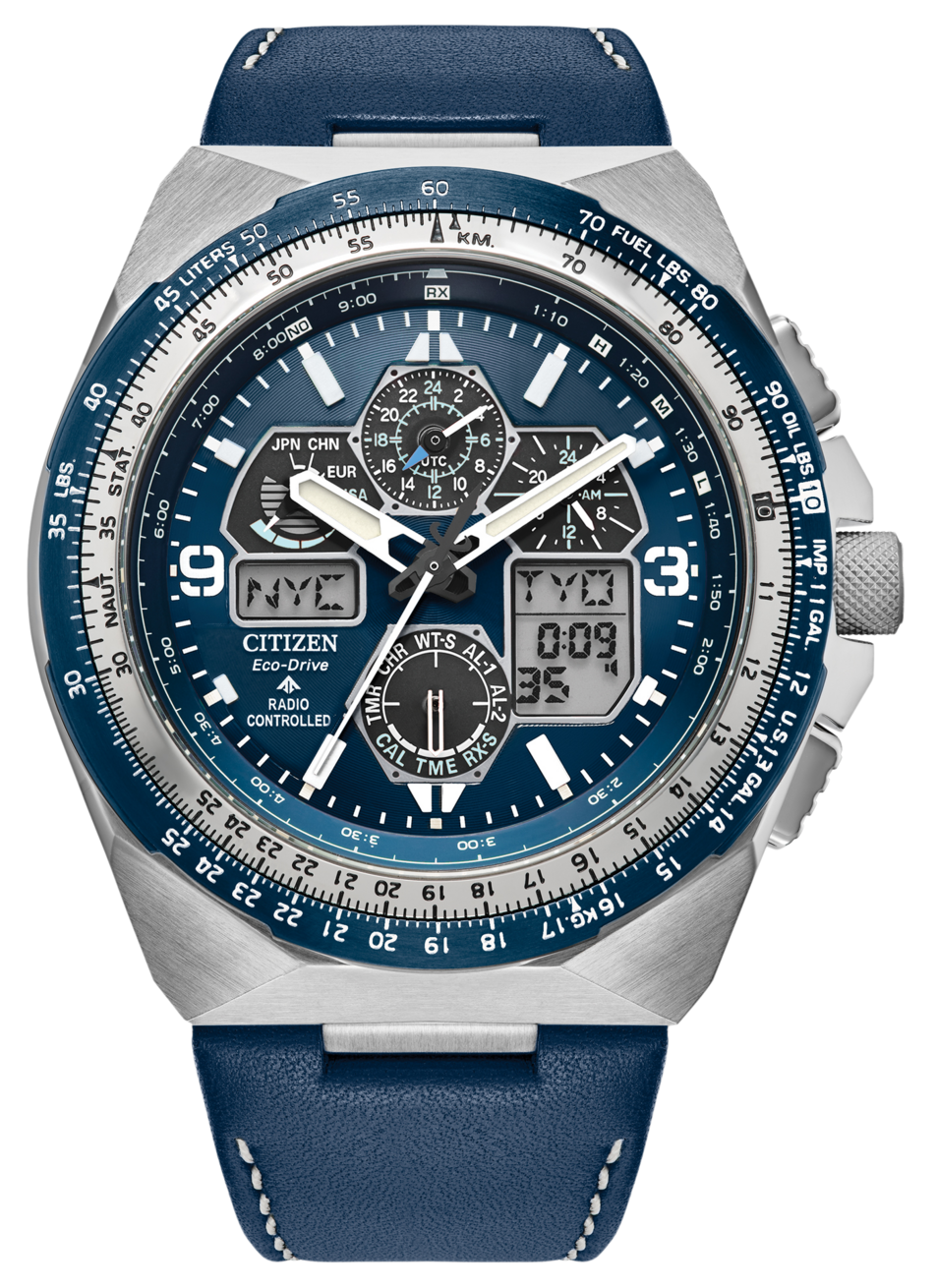
Instead of a disposable battery, Eco-Drive uses a sealed lithium-ion rechargeable power cell engineered to last the life of the watch.
Long-Term Energy Storage
The power cell holds charge for over six months in total darkness on most models. High-capacity versions run up to 365 days on a single charge, while Power Save models can sleep for up to seven years. The cell charges thousands of times without degradation and automatically stops charging when full to prevent overcharging.
This power cell eliminates the need for battery swaps every two to three years, making Eco-Drive one of the most low-maintenance watch technologies available.
Signs of Cell Aging
While built to last 10 to 20 years, aging can cause shorter runtime between charges, failure to charge under normal light, or frequent entry into power save mode. If these occur, a qualified technician should test and replace the cell. Never attempt DIY replacement due to sealing and calibration requirements.
Precision Timekeeping Powered by Light
The stored energy powers a precision quartz movement, ensuring accuracy with minimal user input.
Quartz Regulation and Accuracy
An integrated circuit uses the quartz crystal’s 32,768 Hz vibration to track time. Electrical pulses drive a stepper motor, which moves the hands in precise one-second intervals. This delivers accuracy of ±15 seconds per month, unaffected by temperature or motion. Even during sleep mode, the internal IC continues tracking time accurately.
Advanced Functions Supported by Light
Depending on the model, Eco-Drive energy also powers perpetual calendar, chronograph, radio-controlled time sync, and GPS Satellite Wave functions. These features rely on the same light-powered system, demonstrating Eco-Drive’s scalability across complex watches.
Smart Power Management Features
Eco-Drive manages energy intelligently to maximize uptime between charges.
Low-Charge Warning System
When power drops below safe levels, the second hand jumps every two seconds instead of one. This visual cue indicates the watch needs light exposure, while internal timekeeping remains accurate. The second hand returns to normal ticking within minutes of recharging.
Power Save Mode Explained
If left in darkness for several days, the hands stop moving to conserve energy while the internal circuit keeps perfect time. Upon light exposure, the hands auto-align to the correct time automatically. Some models include seven-year hibernation, ideal for heirloom or backup watches stored away.
Charging Best Practices for Maximum Performance
Maximize performance with simple daily habits and occasional maintenance.
Optimal Charging Routine
Daily wear under indoor lighting is usually sufficient for most users. For deep discharge recovery, place the watch in direct sunlight for six to eight hours. A monthly boost of five to six hours in sun ensures full capacity. Charging through windows works, though tinted glass reduces efficiency slightly.
Avoid storing the watch in drawers, boxes, or dark safes for extended periods.
Reviving a Stopped Eco-Drive Watch
If your watch stops due to power depletion, place it under bright light and allow three to six hours of continuous exposure. The watch will restart and auto-correct the time. If there is no response, check for damage or a degraded power cell that may require professional service.
Design Innovation Meets Sustainability
Eco-Drive proves that technical function and beauty can coexist seamlessly.
Dials That Capture Light and Beauty
Engineered dials transmit light while hiding mechanics beneath ultra-thin sapphire as thin as 150 micrometres. Citizen incorporates natural materials including Washi paper, mother of pearl, and structural inks that shift color with viewing angle. These innovations create watches that are both efficient and visually distinctive.
Environmental Impact
Eco-Drive technology avoids approximately four million batteries annually worldwide. In North America alone, over ten million batteries have been saved through Eco-Drive adoption. The technology earned the first watch Eco Mark Certification in 1996 and won Gold Prize at the 2014 Eco Mark Awards, making it the most recognized sustainable watch technology in the industry.
Model Range and Technological Evolution
Eco-Drive powers everything from minimalist dress watches to high-tech instruments.
From Slim to Satellite-Enabled
The Eco-Drive One series features the world’s thinnest light-powered movement at 1.00mm thick. Satellite Wave GPS models sync time and zone via GPS satellites. Diver’s models meet ISO standards at 200m water resistance. Radio-controlled versions auto-sync with atomic clocks for perfect accuracy. Chronographs and complications offer stopwatch, dual time, and alarm functions.
Innovation Milestones Over Four Decades
The journey began in 1976 with the CRYSTRON SOLAR CELL, the world’s first light-powered analog quartz watch. The Eco-Drive brand launched in 1994, emphasizing environmental sustainability. The 2016 Eco-Drive One debuted the 1.00mm movement. In 2023, Caliber E365 achieved 365-day runtime on a single full charge.
Maintenance for Long-Term Reliability
While low-maintenance, Eco-Drive watches still need occasional care.
Essential Care Steps
Replace gaskets every three to four years to preserve water resistance. Clean the crystal regularly to maximize light transmission. Avoid extreme heat from saunas or hot cars, which degrades the power cell. Service the watch every 10 to 15 years if performance declines.
When to Seek Professional Help
Visit an authorized technician if the watch fails to charge after full sun exposure, power save mode activates too frequently, hands do not auto-correct after revival, or water resistance becomes compromised. Only professionals should open the case to preserve integrity.
Real-World Benefits and User Experience
Eco-Drive excels in everyday life across diverse lifestyles and use cases.
Who Benefits Most
Travelers appreciate long power reserves and auto-reset functions across time zones. Outdoor users enjoy rapid solar charging and durable builds. Professionals value set-and-forget reliability. Eco-conscious buyers reduce battery waste. Collectors use seven-year hibernation for stored pieces.
Many users report 20 or more years of uninterrupted operation with basic care.
Comparison to Other Solar Watches
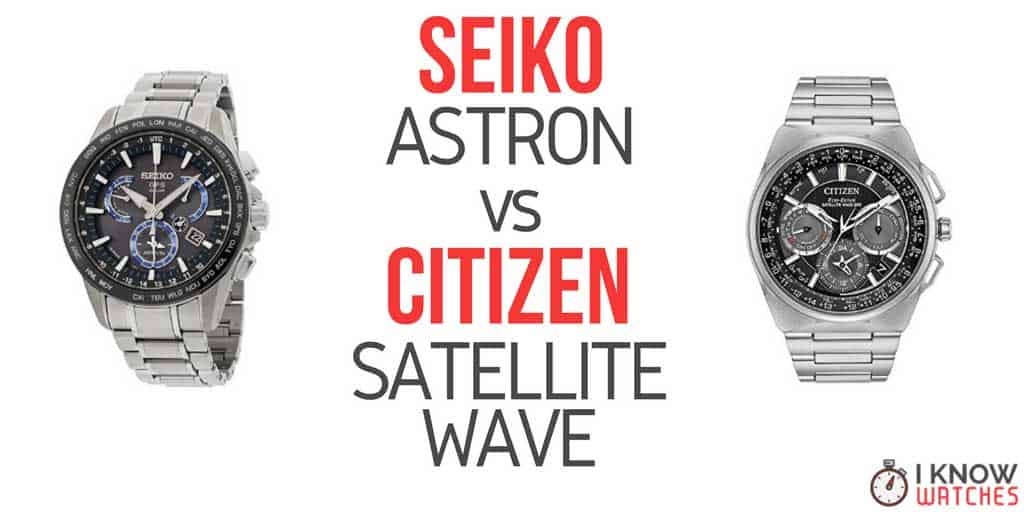
Eco-Drive outperforms competitors in low-light charging efficiency, power reserve duration (six months standard, up to seven years), aesthetic integration with invisible cells, and smart functions including two-second warning and auto-start. The technology offers the broadest range of styles and materials in the solar watch market.
Frequently Asked Questions About Eco-Drive Watches
Can Eco-Drive watches charge under indoor lighting?
Yes. Eco-Drive watches charge under any light source, including fluorescent, LED, and incandescent indoor lighting. While direct sunlight provides the fastest charging, office lighting and desk lamps maintain sufficient charge for daily wear.
How long does an Eco-Drive power cell last?
The rechargeable lithium-ion power cell typically lasts 10 to 20 years, often longer with proper care. It charges thousands of times without significant degradation, eliminating the need for battery replacements throughout the watch’s lifetime.
What happens if my Eco-Drive watch stops working?
Place the watch under bright light for three to six hours. Most Eco-Drive watches will restart automatically and correct the time. If the watch does not respond, it may require professional service to replace the power cell.
Does Eco-Drive work in winter or cloudy conditions?
Yes. While charging takes longer, Eco-Drive still generates power from diffused daylight through clouds. The system is designed to work efficiently in low-light conditions common during winter months.
Are Eco-Drive watches waterproof?
Many Eco-Drive models offer water resistance ranging from splash-resistant to 200 meters for diver’s watches. Water resistance depends on the specific model. Have gaskets inspected and replaced every three to four years to maintain water resistance.
Can I replace the power cell myself?
No. The power cell is sealed within the watch case and requires professional replacement by a qualified technician. Attempting DIY replacement can damage the sealing and compromise water resistance.
Key Takeaways for Understanding Eco-Drive Technology
Eco-Drive technology redefines what a quartz watch can be by converting any light into electrical energy through invisible photovoltaic cells beneath the dial. The system stores this energy in a rechargeable lithium-ion power cell that lasts 10 to 20 years, delivering power reserves from six months to seven years depending on the model. Smart features like the two-second hand warning and power save mode ensure reliability while reducing user intervention. Whether you value its environmental benefits, the convenience of never replacing batteries, or its precision timekeeping, an Eco-Drive watch represents a long-term investment in sustainable horology. Place your watch near any light source regularly, service gaskets every few years, and enjoy decades of maintenance-free operation powered by nothing more than light.