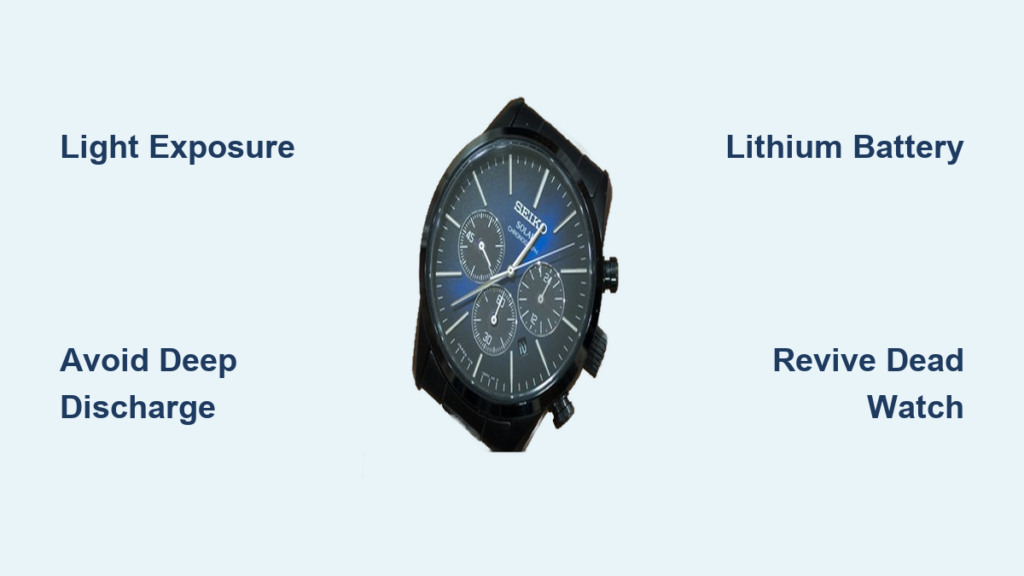
Solar watches are among the most durable and low-maintenance timepieces available today. If you’re wondering how long a solar watch lasts, the answer is clear: modern solar watches can last 20 to 50 years or more with proper care. Unlike traditional quartz watches that need battery replacements every 1-2 years, solar-powered models use rechargeable energy systems that minimize servicing and maximize lifespan. The core technology, converting light into power, means these watches thrive on daily exposure to natural or artificial light, allowing them to run reliably for decades.
Real-world data and manufacturer testing confirm this longevity. Brands like Citizen Eco-Drive, Casio G-Shock, and Seiko Solar have models still functioning after 20+ years of use. While older models with capacitors may fail after 10-20 years due to obsolete parts, newer versions use long-lasting lithium-ion batteries that are often replaceable. With minimal depth of discharge and consistent charging, solar watches experience far less battery wear than other electronics.
Key Factors That Determine Solar Watch Lifespan
Light Exposure Quality
How much light your solar watch receives directly impacts its lifespan. These watches rely on continuous trickle charging from ambient or direct light. Without regular exposure, the battery discharges deeply, accelerating degradation.
Natural sunlight is most effective. Just 1-3 hours per week can maintain full charge. Indoor lighting works but is less efficient, with fluorescent and LED lights providing slower charging. Avoid storing your watch in dark drawers, boxes, or opaque cases for long periods.
Pro Tip: Place your watch on a windowsill when not worn. A glass-topped watch winder near a window can keep it charged and running.
Depth of Discharge Impact
Battery lifespan is heavily influenced by how deeply it discharges. Solar watches have a major advantage here. Most operate with shallow discharges, such as going from 70% to 90% charge, which can double or triple battery cycle life. Deep discharges from 0% to 100% cause more stress and shorten longevity. Thanks to constant ambient charging, solar watches often avoid full discharge entirely.
Storage and Revival Practices
Even a dead solar watch can often be revived. If stored in darkness for months, the battery may drop to 0%. The revival method involves placing the watch face-up in direct sunlight for 1-3 weeks. Many watches will restart automatically once sufficient charge is restored.
Avoid: Repeated deep discharge cycles, which degrade battery health over time.
Brand-Specific Lifespans

Citizen Eco-Drive Longevity
Citizen leads in solar watch durability with its Eco-Drive technology. Laboratory tests indicate the solar cell and secondary battery will last more than 10 years. After 20 years, the secondary battery retains approximately 80% of its initial charge capacity. Newer models project up to 40 years of service. Citizen offers a 5-year warranty, reflecting confidence in reliability.
User reports support these claims. Multiple owners confirm 14-25+ years of continuous use. One user sold a 16-year-old Eco-Drive that continued working perfectly.
Caution: Older Eco-Drive models pre-2010 used capacitors with a 10-20 year lifespan. Some are now unrepairable due to discontinued parts. The good news is that third-party repair services offer capacitor-to-lithium battery conversions.
Seiko Solar Performance
Seiko’s solar watches are reliable but less documented than Citizen’s. Expected lifespan is 10-20+ years with proper care. One user reported a 2015 Seiko solar still running flawlessly in 2024. Seiko uses standard strap attachments on many models, simplifying maintenance.
While Seiko doesn’t publish detailed longevity claims, real-world use supports strong long-term performance.
Casio Solar Durability
Casio, especially in G-Shock and Pro Trek lines, builds for extreme durability. Multiple users report 20+ year-old solar G-Shocks still working. A 2004 ProTrek model remains functional as a field watch. Shock resistance, water sealing, and power-saving modes enhance longevity.
Casio’s rugged design ensures solar watches survive harsh environments with minimal degradation.
Battery Technology: Capacitors vs Lithium-Ion

Capacitors in Older Models
Early solar watches from the 1990s-2000s used capacitors instead of batteries. Typical lifespan is 10-20 years. They degrade over time and cannot be recharged effectively when worn out. They are often non-replaceable or unsupported by manufacturers.
The problem is that many older Eco-Drive and Seiko Kinetic models are now unrepairable due to discontinued capacitors. However, independent repair shops offer retrofit kits to replace capacitors with modern lithium cells.
Lithium-Ion Batteries in Modern Watches
Newer solar watches use rechargeable lithium-ion batteries. Lifespan is 15-40+ years depending on use and charging habits. They are designed for minimal degradation due to shallow discharge cycles. They are replaceable by qualified technicians or DIY users.
Replacement cells are sold on Amazon, eBay, and specialty sites. The shift from capacitors to lithium batteries has dramatically improved solar watch longevity and repairability.
Maintenance That Extends Lifespan
Avoid Prolonged Darkness
Storing a solar watch in darkness is the fastest way to shorten its life. After 3-6 months without light, the battery may fully discharge. Repeated deep discharges accelerate battery wear.
Fix: Keep your watch in a lit area when not worn. A sunny windowsill or lighted display stand is ideal.
Replace Straps Proactively
The strap often fails before the movement. G-Shock uses proprietary straps, so replace only with compatible models. Seiko many models use standard 20mm or 22mm lugs, making swaps easy. Citizen requires checking lug width, though third-party bands are widely available.
Tip: Replace worn straps early to prevent loss or damage.
Professional Servicing Options
Even if the manufacturer no longer supports your model, third-party repair is possible. HurleyRoberts, StewartTime, and other specialists repair solar watches. Services include battery replacement, capacitor-to-lithium conversions, and gasket replacement for water resistance.
DIY Option: Kits are available for experienced users to upgrade old capacitors.
Environmental and Cost Benefits
Eliminate Battery Waste
A single solar watch can replace 20+ disposable batteries over 20 years. Traditional quartz watches require 10-20 batteries in that time. Industry-wide, solar adoption could prevent over 1 billion wasted watch batteries annually.
Sustainability programs exist. Solios offers a $50 discount for returning old watches. Some brands partner with recycling initiatives for end-of-life units.
Save on Replacement Costs
Quartz battery replacement costs $20-$75 every 1-2 years. Over 20 years, this adds up to $400+ in service costs. Solar watches eliminate recurring battery costs. Repair, if needed, is a one-time cost similar to a quartz battery change.
Bottom line: A solar watch pays for itself in long-term savings and convenience.
How to Maximize Your Solar Watch’s Life
Keep It in the Light
Light is the lifeblood of a solar watch. Daily wear provides consistent charging. Occasional wearers should place the watch on a sunny windowsill or lighted stand. The ideal is 1-3 hours of direct sunlight per week.
Warning: UV-blocking windows reduce charging efficiency. Open blinds when possible.
Don’t Discard a Dead Watch
A watch that won’t start may just be deeply discharged. Revival steps include placing face-up in direct sunlight, leaving for 1-3 weeks, and checking for signs of life like seconds hand movement. Many dead watches restart with no further intervention.
Choose Modern Lithium Models
When buying, prioritize watches with lithium-ion batteries over older capacitor designs. Look for rechargeable lithium cell in specs. Avoid very old Eco-Drive or Kinetic models unless repairable.
Recommended: Newer Citizen Eco-Drive, Casio G-Shock Solar, Seiko Solar.
Solar vs. Other Watch Types
| Watch Type | Battery Life | Replacement Needed | Max Lifespan | Maintenance Level |
|---|---|---|---|---|
| Traditional Quartz | 1-2 years | Every 1-2 years | 10-20 years | High |
| Lithium Quartz | 5-6 years | Every 5-6 years | 15-25 years | Medium |
| Kinetic (Seiko) | 6-10 years | Every 10 years | 15-20 years | Medium |
| Solar (Modern) | 15-50 years | Rarely | 20-50+ years | Very Low |
| Mechanical/Automatic | N/A | Service every 5-7 years | 50+ years | High |
Solar watches offer the best balance of longevity, accuracy, and low maintenance.
Final Verdict: How Long Can You Expect?
Minimum Lifespan: 10-15 Years
This applies to older capacitor-based models. They may fail if stored improperly or parts are obsolete. This is realistic for neglected or vintage solar watches.
Typical Lifespan: 20+ Years
This is achievable by modern solar watches with regular light exposure. It is supported by user reports and manufacturer testing. Most owners will never need a battery replacement.
Maximum Potential: 40-50 Years
This is projected for newer lithium models from Citizen and Solios. It depends on shallow discharge cycles and avoiding deep storage. Solios claims 50 years, though unverified due to brand age.
Bottom Line: A well-cared-for solar watch from Citizen, Casio, or Seiko can last 2 to 5 decades.
Frequently Asked Questions About Solar Watch Lifespan
How many years can you expect a solar watch to last?
A well-maintained solar watch typically lasts 20-30 years. Modern lithium-ion models can last 40-50 years with proper care. Older capacitor-based models generally last 10-20 years before needing potential repairs or part replacements.
Do solar watch batteries eventually die?
Yes, but much slower than traditional watch batteries. Lithium-ion batteries in modern solar watches retain 80% capacity after 20 years. Capacitors in older models degrade faster, typically lasting 10-20 years before requiring replacement or rendering the watch unrepairable.
Can a dead solar watch be revived?
Yes, in most cases. Place the watch face-up in direct sunlight for 1-3 weeks. Many deeply discharged solar watches will restart automatically once they recover sufficient charge. Only watches with completely failed energy storage components cannot be revived.
Which solar watch brand lasts the longest?
Citizen Eco-Drive offers the most documented longevity, with lab testing showing 80% charge retention after 20 years. Casio G-Shock solar models are renowned for lasting 20+ years in harsh conditions. Seiko Solar also performs well with 10-20+ years of reliable service.
Is it worth buying a solar watch?
Yes, solar watches offer excellent long-term value. They eliminate the need for 20+ battery replacements over 20 years, saving $400+ in costs. They require minimal maintenance beyond regular light exposure. They also reduce environmental waste from disposable batteries.
Key Takeaways for Solar Watch Buyers

A high-quality solar watch is a long-term investment in precision, sustainability, and reliability. With simple care, especially consistent light exposure, your solar timepiece can serve you for 20, 30, or even 50 years. Choose modern lithium models over older capacitor designs, avoid deep discharges by storing in lit areas, and attempt revival before discarding a seemingly dead watch. Whether it’s a Citizen Eco-Drive, Casio G-Shock, or Seiko Solar, your watch is built to last far longer than you might expect.