Is your Skagen watch too loose or too tight? You are not alone. Many Skagen owners struggle with fit, especially since Skagen uses a unique sliding clasp system instead of traditional link removal. The good news: adjusting a Skagen watch strap is simple, tool-friendly, and completely reversible. No cutting, no jeweler visits needed. This guide walks you through every step using only a small screwdriver or household tool. You will learn how to open the clasp, slide it for the perfect fit, reattach securely, and avoid common mistakes.
Open the Skagen Clasp

Release the Safety Clip
Start by flipping up the safety clip at the top of the clasp. Use your fingernail or the tip of a small flat-head screwdriver to gently lift it. It should snap open easily. If it resists, double-check you are lifting from the correct side. The clip must open toward the watch case when properly oriented. Forcing it can bend or damage the latch.
Lift the Locking Plate
Locate the hinged plate with the handle on one side of the clasp. Insert your screwdriver under the handle and gently pry upward. You will hear a distinct click as the plate releases. This exposes the internal adjustable bar and the slot where the mesh band passes through. On some models, the opposite side of the clasp pops up instead. Press it upward to gain access.
Pro Tip: Work over a soft cloth to prevent scratching the watch face or losing small parts.
Slide the Clasp for Perfect Fit
Shorten or Lengthen the Band
With the clasp open, the mesh band can slide freely through the mechanism. To shorten, push the clasp forward toward the watch. To lengthen, slide it backward away from the watch. Each position change aligns the clasp with a new set of perforations in the mesh, adjusting the size by about 2 to 3 millimeters per step.
When to Remove the Clasp Entirely
If you need a major adjustment, pull the band completely out of the clasp. This gives you full control to reposition it from scratch. Just remember: the safety clip must face the watch case when reattaching.
Never cut the band. Skagen’s design allows infinite resizing. Cutting ruins the mechanism and may void your warranty.
Reattach and Secure the Clasp
Align Grooves and Feed the Band
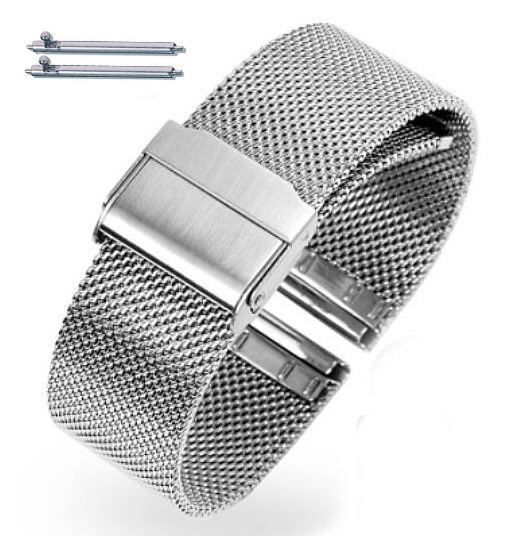
Flip the watch face-down for better visibility. Feed the end of the mesh band back into the clasp, ensuring the safety clip opens toward the watch case. Also ensure the groove on the clasp back lines up with the groove on the strap. Misalignment is the top reason the clasp will not close properly.
Lock the Plate in Place
Lower the locking plate over the band. If it clicks smoothly, press it down with your finger. If it resists, follow these steps.
- Reinsert the screwdriver into the gap near the hinge.
- Press down over the strap end.
- Apply firm pressure until you hear a solid click.
The plate should lie flat with no wobble. If it lifts or feels loose, reopen and repeat. Partial engagement risks accidental opening.
Test and Fine-Tune the Fit
Hook and Close the Clasp
Attach the band’s end to the dual hooks on the adjustable bar. Close the locking plate until it clicks. Then snap the safety clip over the top to lock it in place. Try opening and closing the clasp 3 to 4 times to confirm smooth operation.
Fix Common Fit Issues
Here are solutions for the most frequent problems.
• Too tight: Slide the clasp backward and relock.
• Too loose: Move it forward and reattach.
• Clasp slides during wear: The locking plate is not fully engaged. Reopen and press until it clicks.
• No click heard: Check for debris or misalignment.
Warning: A clasp that does not click is unsafe. Do not wear until fully secured.
Adjust Link-Based Bracelet Models
Identify Removable Links
Some Skagen watches use metal bracelet bands with individual links. These have tiny holes on the sides, often marked with arrows showing pin removal direction. Unlike mesh bands, these require removing links to resize.
Remove or Add Links
Follow these steps to resize link-based bracelets.
- Place the watch dial-up on a soft surface.
- Insert a small screwdriver into the hole on the outer link.
- Push gently until the pin begins to slide out.
- Continue until the link separates.
- Remove excess links from both sides for symmetry.
To reattach, reverse the process. Align the holes and press the pin back in until it clicks flush.
Keep removed links and pins. You may need them for future adjustments.
Avoid Common Adjustment Mistakes
Backward Safety Clip Installation
The most frequent error is installing the clasp with the safety clip facing away from the watch. This prevents the clasp from closing and compromises security. Always verify: clip opens toward the case.
Forcing the Locking Plate
Never use excessive force. If the plate will not close, check groove alignment first. Inspect for bent metal or debris. Ensure the band is fully seated. Forcing it can break the hinge or damage the spring mechanism.
Skipping the Test Closure
Always test the clasp before wearing. Open and close it multiple times. If it feels sticky, loose, or does not click, reopen and reposition. A faulty closure could lead to losing your watch.
Maintain Your Skagen Strap
Clean and Inspect Regularly
Wipe the mesh band and clasp monthly with a dry, soft cloth. For deeper cleaning, dampen the cloth slightly. Avoid soaking the clasp. Dry immediately. Saltwater, sweat, and lotions can corrode metal over time.
Check for Wear and Tear
Every 3 to 6 months, inspect these components.
• The safety clip for bending or stiffness
• The locking plate for wobbling
• The hooks on the adjustable bar for deformation
Replace worn parts through Skagen’s official site or authorized retailers.
Why Skagen Design Stands Out
No-Cut Fully Reversible System
Unlike most metal bands that require permanent link removal, Skagen’s sliding clasp lets you resize endlessly. This is ideal for seasonal changes, weight fluctuations, and shared wear among family or friends.
Dual-Lock Security
The combination of a clicking locking plate and snap-on safety clip provides superior security. Independent reviews show Skagen clasps stay closed during daily activities including handwashing and typing.
Tool-Free Adjustment After First Try
While a screwdriver helps open the clasp, sliding and relocking can be done by hand once you have done it once. Most users master it after a single try.
Compare Skagen to Other Brands
| Feature | Skagen Mesh Band | Generic Metal Band |
|---|---|---|
| Adjustment Method | Slide clasp (no cutting) | Remove links with tool |
| Reversibility | Fully reversible | Permanent |
| Tools Needed | Screwdriver (or pin) | Pin press, pliers |
| Closure Security | Dual-lock (click + clip) | Single latch |
| User Skill Level | Beginner-friendly | Intermediate |
| Warranty Impact | Preserved if done correctly | May void if pin damaged |
Skagen wins on ease, safety, and flexibility, especially for first-time owners.
Troubleshoot Adjustment Problems
Clasp Will Not Close
Cause: Misaligned grooves or backward safety clip.
Fix: Reopen, realign grooves, and reinstall with clip facing the watch.
Clasp Slides on Wrist
Cause: Locking plate not fully engaged.
Fix: Reopen and press down with a screwdriver until it clicks.
Safety Clip Will Not Snap
Cause: Bent clip or dirt in latch.
Fix: Clean with a dry cloth. Use tweezers to gently bend the clip back into shape.
No Click During Closure
Cause: Obstruction, wear, or incomplete seating.
Fix: Check for debris. Apply firm pressure with a tool. If persistent, contact Skagen support.
Frequently Asked Questions About Skagen Watch Strap Adjustment
Can I adjust my Skagen watch strap without any tools?
You need a small flat-head screwdriver or similar fine-tip tool to open the clasp initially. Once open, sliding and relocking can often be done by hand.
How do I know if my Skagen has a mesh band or link bracelet?
Mesh bands have a continuous woven stainless steel appearance and use the sliding clasp. Link bracelets have individual metal segments connected by pins and require link removal.
Why will my clasp not close properly?
The most common cause is misaligned grooves or installing the safety clip backward. Reopen the clasp and verify the clip opens toward the watch case.
Can I cut my Skagen mesh band if it is too long?
Never cut a Skagen mesh band. The design allows infinite resizing through the sliding clasp. Cutting damages the mechanism and voids your warranty.
How much does each clasp position adjust the size?
Each step along the mesh perforations adjusts the band by approximately 2 to 3 millimeters.
Where can I get replacement parts for my Skagen watch?
Replacement clasps and bands are available through Skagen’s official website or authorized retailers. Check your model number for compatible parts.
Final Thoughts on Adjusting Your Skagen Watch Strap
Adjusting your Skagen watch strap is fast, safe, and completely DIY. With just a screwdriver and a few minutes, you can achieve a custom fit that stays secure all day. The sliding clasp system is smarter than traditional links. It is reversible, requires minimal tools, and is built for long-term wear. Follow the steps carefully, avoid the common pitfalls outlined above, and enjoy a watch that fits as perfectly as it looks. For future changes, simply repeat the process. No damage, no cost, no hassle.