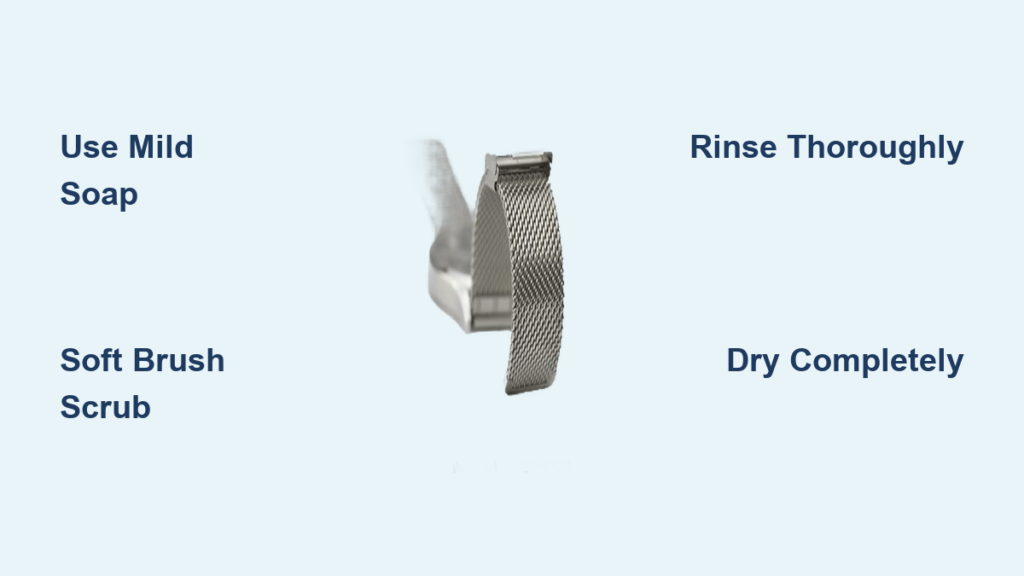
A sleek, polished metal watch strap can elevate your look, but over time, sweat, oils, and everyday grime dull its shine and cause buildup between links. If you have noticed your stainless steel bracelet feeling grimy or leaving residue on your wrist, it is time for a deep clean. Knowing how to clean a metal watch strap properly ensures longevity, hygiene, and lasting luster. This guide delivers step-by-step methods, expert tips, and critical safety precautions to restore your strap without damaging finishes or risking moisture in the watch head.
You will learn basic cleaning techniques, advanced methods like ultrasonic cleaning, safe product choices, and how to maintain that like-new look with minimal effort. Let us get your bracelet looking sharp again.
Gather Essential Cleaning Supplies for Your Metal Watch Strap
Before touching your watch, gather the right tools to avoid scratches or corrosion. Using improper materials is one of the most common mistakes that even seemingly harmless items like paper towels or dish scrubbers can cause.
What You Need for Safe Cleaning
You will need a soft-bristled toothbrush, mild liquid soap, lukewarm water, a small bowl, a microfiber cloth, and access to running water. Use a new or well-worn soft toothbrush rather than a hard-bristled one that could scratch the metal. Opt for fragrance-free, hypoallergenic hand soap or gentle dish detergent.
Avoid bleach, ammonia, vinegar, or abrasive cleaners. These can corrode metal alloys or degrade protective coatings on premium finishes. Skip paper towels as well, since they can leave micro-scratches on polished surfaces.
Deep Clean Your Metal Watch Strap in 7 Simple Steps

The best results come from a consistent, gentle process that removes hidden grime without risking damage. This method works for stainless steel, titanium, and most alloy-based metal straps.
Mix a Gentle Soapy Solution
Fill a small bowl with lukewarm water and add two to three drops of mild liquid soap. Swirl gently to mix. The solution should be weak, as too much soap leaves residue that attracts more dirt.
Rinse the Strap First
If your watch is water-resistant, briefly rinse the metal strap under lukewarm running water. This flushes out surface sweat, skin cells, and loose debris before scrubbing. Never rinse non-water-resistant watches, including Apple Watch Link Bracelets or vintage models with compromised seals.
Soak for 5 to 10 Minutes
Submerge only the strap in the soapy solution. Keep the watch head elevated if possible, or ensure the crown and pushers are fully sealed. Soaking loosens trapped grime between links and around clasp hinges. Do not exceed ten minutes, as even water-resistant watches risk moisture seepage with prolonged exposure.
Scrub Between Every Link
Using the soft toothbrush, gently brush the top and underside of each link, areas where the strap contacts your skin, the clasp mechanism including fold-over latches and micro-adjustments, and attachment points near the spring bars. Apply light pressure in small circular motions and focus on crevices where sweat and oils accumulate and cause discoloration over time.
Rinse Thoroughly Under Running Water
Hold the strap under lukewarm running water for 30 to 60 seconds. Rotate it to flush out all soap suds from joints and links. Incomplete rinsing leads to a sticky film that dulls shine and may irritate skin.
Dry Immediately and Completely
Pat dry with a clean microfiber cloth without rubbing. Air-dry face-up on a dry towel for at least 30 minutes. Use a cloth corner to absorb moisture in clasp hinges and link gaps. Never wear or store a damp strap, as trapped moisture promotes corrosion and metal fatigue.
Polish for Shine
Use a dedicated jewelry or watch polishing cloth. Gently wipe each link in one direction to restore shine. This step is safe for all finishes, including brushed, polished, and satin.
When and How to Use Ultrasonic Cleaning for Metal Straps
For deeply embedded dirt or vintage restoration, ultrasonic cleaning offers unmatched results, but only for fully metallic straps.
When Ultrasonic Cleaning Makes Sense
This method works best for all-metal bracelets with no rubber, plastic, or adhesive components. It is ideal for heavy tarnish or grime between links and for pre-sale detailing or collection maintenance.
How to Use an Ultrasonic Cleaner Safely
Remove the strap from the watch head using a spring bar tool. Fill the ultrasonic cleaner with water or a watch-safe solution. Place the strap inside and run for three to five minutes. Rinse under running water and dry completely.
Never use an ultrasonic cleaner on mixed-material clasps, as rubber gaskets or glue joints can delaminate. User-tested success shows stainless steel Rolex, Omega, and Tudor bracelets show dramatic improvement after one cycle.
Professional Cleaning Solutions for Delicate and Luxury Watches
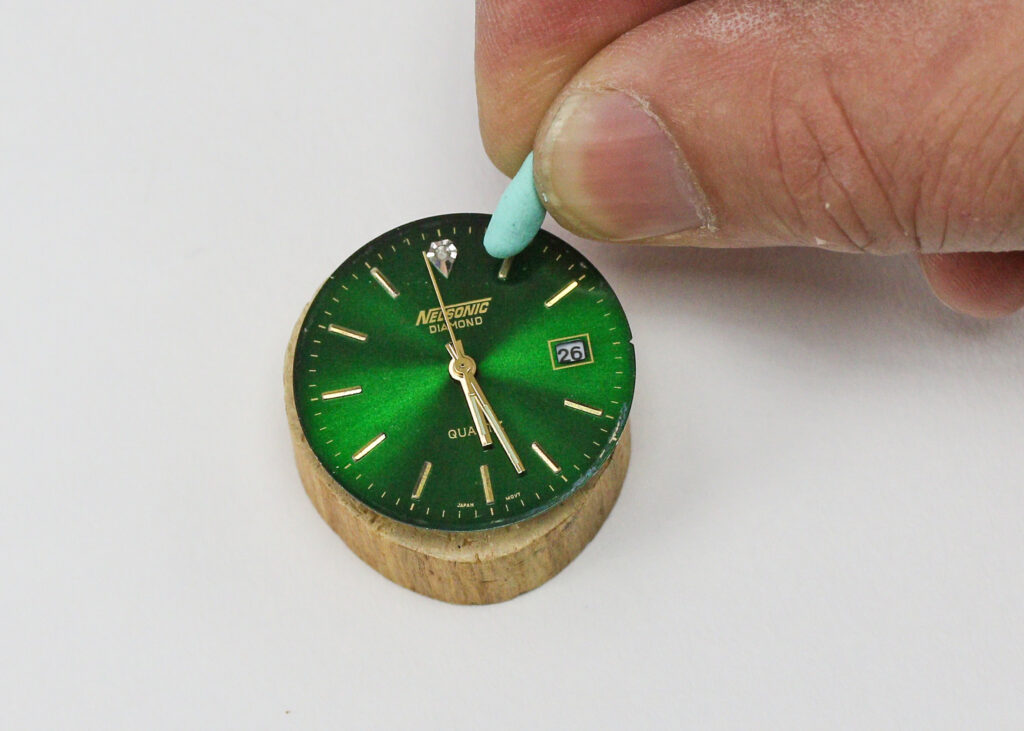
Luxury, antique, or high-polish watches need non-abrasive solutions. These products clean without contact stress.
Rodico Premium Cleaner
Pick a small amount, about pea-sized, and roll it into a ball. Press gently onto dirty areas and lift away oils, fingerprints, and dust. This is ideal for watches that cannot get wet, such as chronographs with open cases. It leaves zero residue and is perfect for servicing preparation.
Metal Watch Strap Cleaning Sprays
Spray directly onto a microfiber cloth, not the strap, then wipe. These sprays break down grease and grime, are fast-drying and non-corrosive, and work best for quick maintenance between deep cleans. Check labels to ensure the product is pH-neutral and alcohol-free.
Remove the Strap for Thorough Cleaning

For full access to hidden joints and attachment points, removing the strap ensures a complete clean.
When to Remove the Strap
Remove the strap for monthly deep cleans, ultrasonic treatment, visible grime near spring bars, and when replacing or inspecting links.
Tools You Need
You will need a spring bar removal tool, tweezers or a small tray to catch released spring bars, and a work mat or soft cloth to prevent scratches during handling.
Many modern watches feature lever-release systems. Flip the watch over, press the small pin or lever near the lug, and slide the strap off. No tools required. When reattaching, ensure spring bars click fully into both lugs. Wobbling means improper seating and risk of loss during wear.
Prevent Buildup with Smart Maintenance
Cleaning is easier when you prevent grime from accumulating in the first place.
Simple Daily and Weekly Routines
Wipe the strap with a dry microfiber cloth after every wear. This removes sweat before it dries into corrosive residue. This step is especially important in summer or after workouts.
Cleaning Schedule by Wear Frequency
For daily wear, wipe daily and deep clean monthly. For weekly wear, wipe as needed and deep clean every two to three months. For occasional wear, clean before and after storage. Neglect leads to irreversible pitting, clasp failure, and dull finishes.
Proper Storage Tips
Keep your watch in a watch roll to protect from dust and tangles, or in a valley tray to maintain shape and prevent link compression. Avoid humid areas like bathrooms, as moisture accelerates oxidation.
Protect Your Watch from Common Risks
Even careful cleaning can go wrong without attention to detail.
Understanding Water Resistance Limits
Three ATM means splash resistant only and is not suitable for handwashing. Five ATM or higher is safe for brief rinsing but not for prolonged soaking. Watches previously serviced may have degraded seals after battery changes unless pressure-tested. Never submerge watches with cracked crystals or loose crowns.
Model-Specific Warnings
Apple states the Apple Watch Link Bracelet is not water-resistant. Avoid immersion and clean with a slightly damp cloth only. Fold-over clasps with rubber inserts should not be soaked or ultrasonically cleaned, as glue and seals may fail.
Frequently Asked Questions About Cleaning Metal Watch Straps
Can I use vinegar to clean my metal watch strap?
No, vinegar is acidic and can eat away at metal over time. It compromises structural integrity with repeated use. Stick to mild, pH-balanced soap and water instead.
How often should I deep clean my metal watch strap?
If you wear your watch daily, deep clean once per month. For weekly wear, deep clean every two to three months. For occasional wear, clean before and after storage.
Can I soak my metal watch strap overnight?
No, do not soak the strap overnight. Prolonged soaking, even in mild soapy water, risks moisture seepage into the watch head and can damage internal components. Keep soaking to five to ten minutes maximum.
Is ultrasonic cleaning safe for all metal watch straps?
Ultrasonic cleaning is safe only for all-metal straps with no rubber, plastic, or adhesive components. The vibration can damage or delaminate non-metal elements in clasps and joints.
What is the safest way to dry a metal watch strap?
Pat dry gently with a clean microfiber cloth without rubbing. Then air-dry face-up on a dry towel for at least 30 minutes, ensuring all moisture evaporates from tight spots like clasp hinges.
Can I use a hard-bristled toothbrush for scrubbing?
No, never use a hard-bristled toothbrush. It can scratch and micro-abrase polished metal surfaces. Always use a soft-bristled toothbrush and apply light pressure.
Key Takeaways for Maintaining Your Metal Watch Strap
A well-maintained metal strap can last decades. Regular cleaning prevents corrosion, pitting, and permanent discoloration. Accumulated sweat and oils can lead to metal fatigue and clasp failure over time. Proper maintenance significantly extends the lifespan and aesthetic value of your watch.
Stick to gentle, proven methods like lukewarm water with mild soap and a soft toothbrush. Avoid internet myths like the soy sauce trick, which can accelerate pitting due to salt and acid content. Always prioritize your watch is integrity over speed, and wipe the strap after each wear to prevent buildup. Your wrist and your investment will thank you.