You’ve found a stunning luxury watch online, priced unbelievably low. It looks just like a Rolex Submariner or Patek Philippe. But something feels off. Is it real? With counterfeit watches now so advanced they can fool even seasoned collectors, knowing how to tell if a watch is real has never been more critical.
This guide gives you a step-by-step framework to verify authenticity like a pro. You’ll learn how to inspect dials, test movements, decode serial numbers, and spot red flags in packaging. Whether you’re buying pre-owned, inheriting a timepiece, or verifying a gift, these techniques apply across luxury brands.
Check the Second Hand Movement
One of the fastest ways to spot a fake is watching how the second hand moves. This simple observation takes seconds but reveals critical information about the movement inside.
Mechanical vs. Quartz Motion
Most luxury watches use mechanical or automatic movements, which produce a smooth, sweeping second hand. The hand moves in six to eight tiny ticks per second, creating a near-fluid glide. In contrast, quartz movements, common in fakes, jump once per second with a distinct pause.
Quick Test: Hold the watch close to your ear in a quiet room. A real mechanical movement emits a soft, rapid whirring. A loud, rhythmic tick-tock suggests quartz, a red flag unless it’s a known quartz model like the Rolex Oysterquartz.
Some brands like Omega and Patek Philippe use advanced co-axial or in-house calibers. These still sweep smoothly but may have a slightly different rhythm. Familiarize yourself with the expected motion for your specific model using reference videos.
Exception: Rolex Oysterquartz
Don’t rule out a watch just because it ticks. Rolex produced the Oysterquartz line from 1977 to 2001, genuine quartz models with integrated bracelets and angular cases. These are rare and valuable. Check the model reference: 17000, 17013, or 19018 indicate authentic quartz.
Pro Tip: If the second hand drags or stutters, moving unevenly, it’s likely a low-quality fake movement. Authentic quartz or mechanical hands move with consistent precision.
Inspect the Dial and Logo Quality
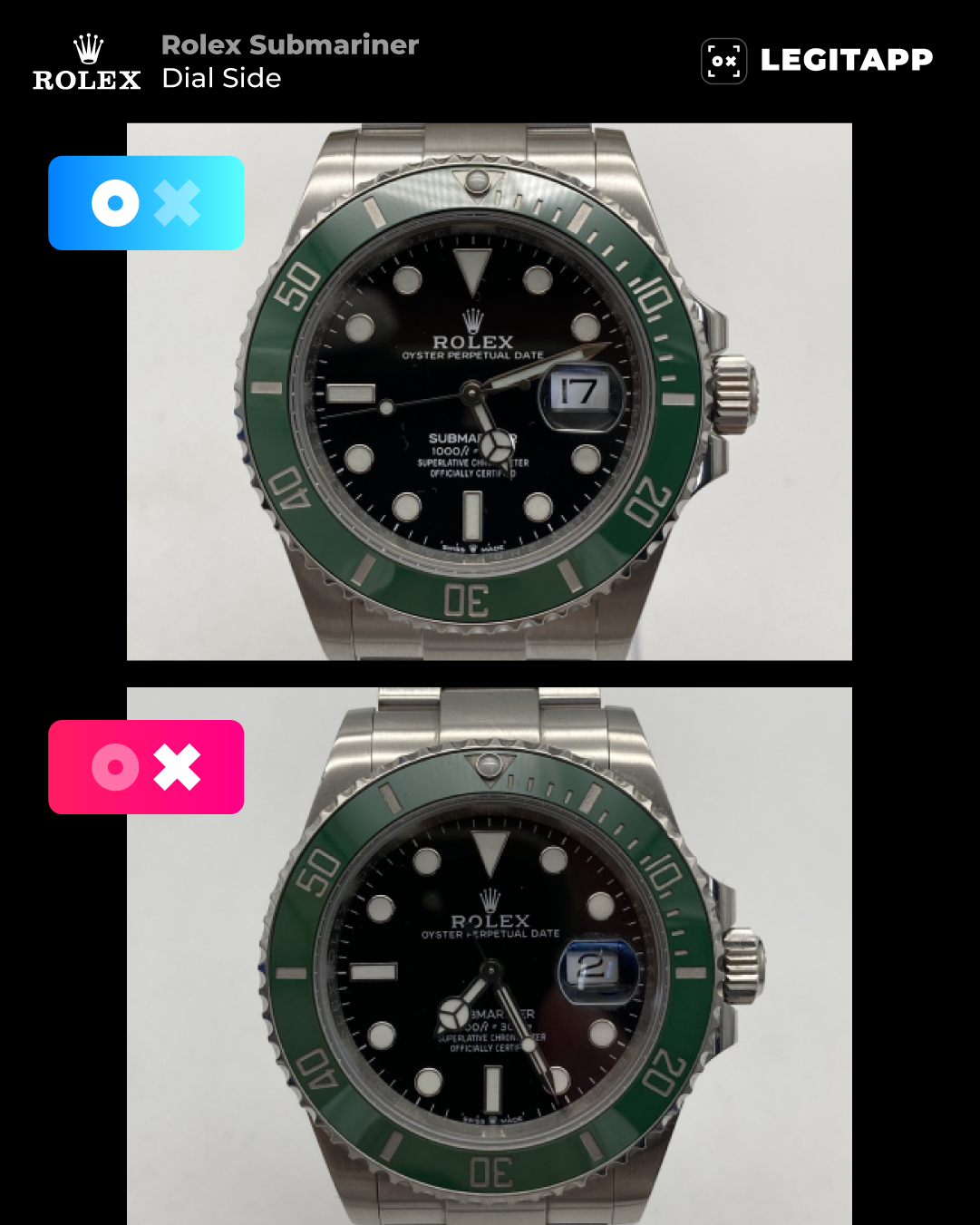
The dial is a masterpiece of micro-engineering, and fakes often fail here. This section requires nothing more than a jeweler’s loupe and careful observation.
Look for Crisp Text and Alignment
Examine the dial under magnification. Font should match brand specifications exactly. Rolex uses a custom typeface, while Omega uses a clean, sans-serif style. The “Swiss Made” text must be straight, centered, and evenly spaced. On fake dials, letters often tilt or crowd together.
Red Flags to Watch For:
• Blurry or pixelated printing
• Misaligned hour markers
• Lume applied sloppily or unevenly
• Missing or incorrect text like “T Swiss T” for tritium models
The logo offers particularly strong clues. On Rolex, the crown should be a three-dimensional metal applique, not printed flat. It reflects light with depth and dimension.
Verify Brand-Specific Dial Features
Each brand has unique dial signatures. The Audemars Piguet Royal Oak tapisserie pattern should be sharp, symmetrical, and laser-etched, not stamped or printed. Patek Philippe features applied gold markers with perfect symmetry and no filler text. Cartier Roman numerals must be perfectly centered, with the blue cabochon on the crown polished, not dull.
Example: A fake Rolex Cellini might place diamonds only at 3, 6, 9, and 12. Authentic versions either have diamonds at all hour markers or none at all.
Test the Cyclops Lens Magnification
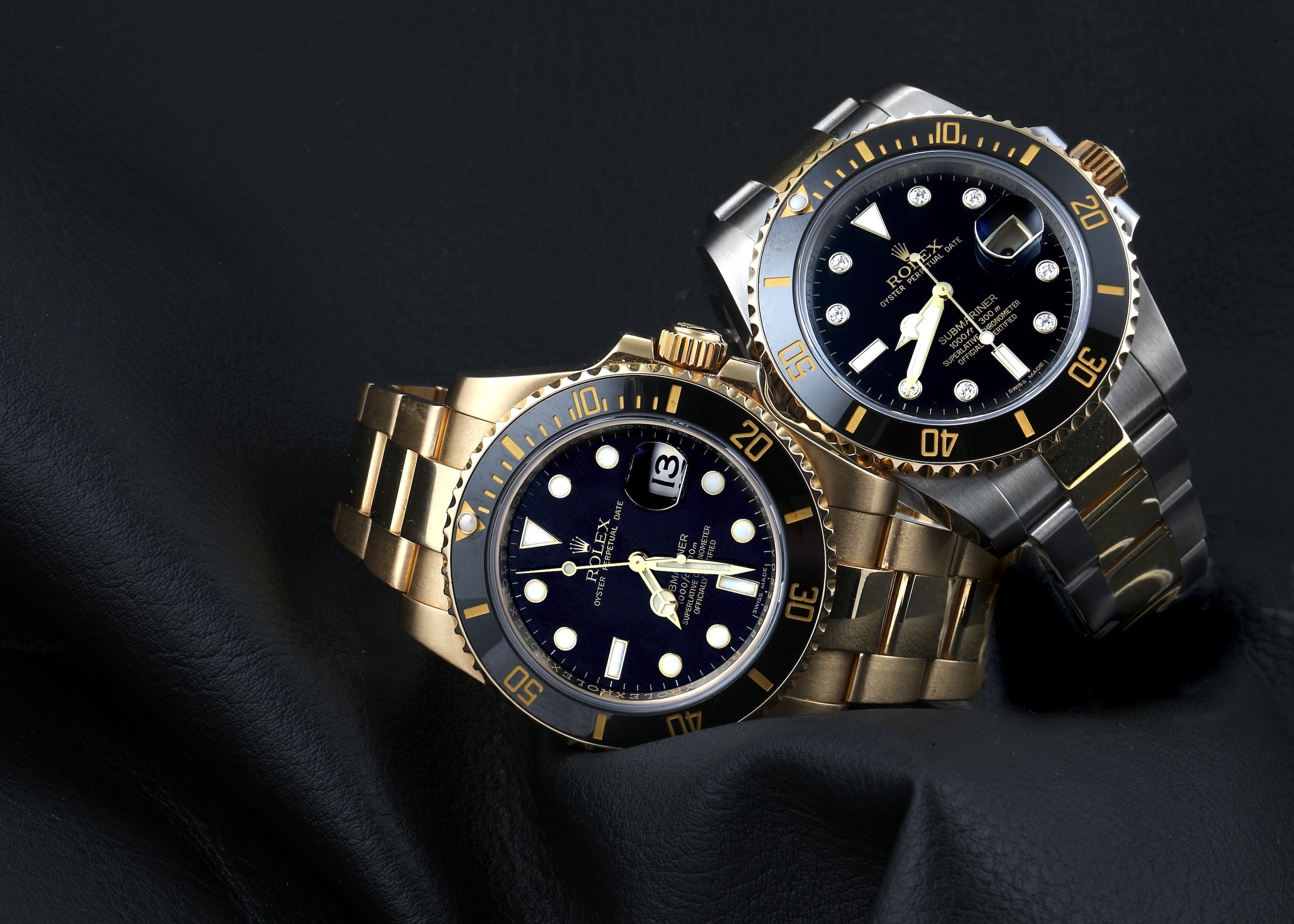
If it’s a Rolex with a date window, the Cyclops lens provides a definitive authenticity test. This feature is unique to Rolex and difficult for counterfeiters to replicate perfectly.
The 2.5x Magnification Rule
The Cyclops lens on genuine Rolex watches magnifies the date by exactly 2.5 times. Fakes often use cheaper lenses that magnify less, usually 1.5x to 2x, or distort the image.
How to Test: Position the watch under bright light. Look straight at the date through the lens. The number should be perfectly centered, sharply magnified, and free of distortion.
On early models pre-2010, the lens sits slightly off-center. Post-2010 Rolexes have a centered Cyclops. Misalignment or edge distortion indicates a fake.
Lens Material and Finish
Genuine Cyclops lenses are made of sapphire crystal, matching the watch glass. They resist scratches and reflect light with a slight blue or purple anti-reflective hue. Plastic lenses, common in fakes, scratch easily and lack color reflection.
Expert Note: Some super clones now mimic 2.5x magnification. Always combine this test with others, like serial number and weight checks.
Weigh the Watch Accurately
Luxury watches are heavy. Counterfeits are not. Weight provides an immediate, objective measurement that rarely lies.
Compare Against Known Weights
A genuine stainless steel Rolex Submariner weighs approximately 155 grams. Most fakes weigh under 100 grams. The difference is immediately noticeable in hand.
Why It Matters: Real watches use solid stainless steel, gold, or titanium. Fakes often use hollow cases, base metals, or plating to cut costs.
Use a digital scale with 0.1g precision to verify. A Rolex Datejust weighs approximately 130 to 140 grams. An Omega Speedmaster weighs approximately 95 grams. An Audemars Piguet Royal Oak weighs approximately 180 grams in its larger case.
Red Flag: A gold watch that feels light likely has only a thin plating over brass or zinc.
Weight Variations by Model
Always check the exact reference number. A Rolex GMT-Master II weighs more than a Submariner due to its larger case and movement. Comparing against the wrong model leads to false conclusions.
Pro Tip: Ask the seller for the reference number and look up its specs on the brand’s official site or Chrono24.
Examine the Case Back and Engravings
The case back reveals craftsmanship or lack thereof. This area often contains critical identification numbers.
Deep, Clean Engravings
Authentic engravings are laser-etched or mechanically engraved with precision. Text is deep, evenly spaced, and legible under magnification. Brand logos are raised metal, not flat prints. Serial and model numbers match official placement.
On Rolex Oyster cases, the back is sealed with no visible screws. Fake versions may have removable backs with screws or plastic inserts.
Micro-Engravings
Some brands use microscopic markings that are nearly impossible to replicate. Audemars Piguet serial numbers are micro-etched on the case side, visible only under 10x magnification. Rolex places a tiny crown symbol between the lugs at six o’clock. Patek Philippe requires case and movement numbers to match exactly, a key verification step.
Red Flag: Shallow, uneven, or missing engravings. Batch-produced fakes often reuse the same serial number across multiple units.
Verify Serial and Model Numbers

Every real luxury watch has unique identifiers. These numbers serve as your first line of defense against counterfeits.
Locate the Numbers
| Brand | Serial Number Location | Model Number Location |
|---|---|---|
| Rolex | Between lugs at 6 o’clock | Between lugs at 12 o’clock |
| Omega | Engraved on case back | On warranty card and case |
| Patek Philippe | Case back and movement | Must match movement |
| Audemars Piguet | Micro-etched on case side | Same as serial location |
Warning: Never scratch or force open a case back. Use a jeweler’s loupe to read numbers between the lugs.
Cross-Check with Databases
The Watch Register charges a small fee to check serial numbers against stolen and fake databases. This service is required for Patek Philippe certification. Enthusiast forums like Watchuseek or Reddit r/Watches allow you to post high-res photos for community feedback. Authorized dealers can verify numbers against internal records.
Critical Rule: Patek Philippe requires both case and movement numbers for official authentication. Mismatches mean it’s fake or a Frankenwatch.
Inspect the Movement Without Disassembly
You don’t need to open the case to learn about the movement. Several observation methods work through the case back or around it.
Look Through Exhibition Case Backs
Many luxury watches like Omega, Patek, and Richard Mille have display backs showing the movement. Authentic indicators include decorative finishing like perlage, Geneva stripes, and beveled edges. The rotor should be engraved with the brand logo. Surfaces must be smooth and clean with no glue or tool marks.
Fake indicators include generic unmarked movements, plastic or stamped metal rotors, and visible screws or rough edges.
Example: A fake Omega might show a co-axial label but lack the actual co-axial escapement mechanism.
Listen for Sound and Feel for Vibration
Hold the watch to your ear. Real mechanical movements produce a faint, rapid ticking or silent glide. Fake movements produce a loud, slow tick-tock.
Feel the side of the case. Real watches have minimal vibration. Fake watches often have noticeable pulsing from low-grade quartz movements.
Evaluate the Bracelet and Clasp
Luxury extends to the strap. The bracelet often reveals counterfeiters who focus their efforts on the case and dial.
Solid Links, Not Hollow
Genuine bracelets use solid metal links. There should be no rattling or excessive play. End links fit seamlessly to the case. Pins are secure, not loose.
Fakes use hollow links to save weight and cost. Shake the bracelet. Hollow ones rattle. Solid links remain quiet.
Clasp Engravings and Function
Rolex Oysterclasp snaps shut with a solid click and has micro-adjustment holes with deeply engraved crown logo. Audemars Piguet features a fold-over clasp with AP logo and smooth action. Cartier uses screwed-in links with hallmark clasps.
Red Flag: Flimsy closure, shallow engravings, or plating wear on clasp edges.
Assess Packaging and Papers
Genuine packaging is high-quality and brand-specific. Documentation provides crucial provenance evidence.
What Comes in the Box
The box should be branded, soft-lined, and made of heavy cardboard or wood. Patek Philippe uses wooden boxes. Papers must include a warranty card stamped and dated by an authorized dealer, a certificate of authenticity, and an instruction manual. Tags should include holographic stickers, security seals, and model tags.
Red Flags:
• Generic black box
• Photocopied or missing papers
• Lifetime warranty claims (not standard)
• Spelling errors or incorrect fonts
Note: Original Box and Papers boost resale value but aren’t always present in pre-owned sales.
Use Professional Authentication Services
When in doubt, get expert help. Some situations demand professional verification.
Trusted Verification Sources
Authorized dealers can verify model, serial, and service history. Certified watchmakers inspect movement, test water resistance, and verify materials. The Watch Register offers serial number checks against global fake and stolen databases. WatchCSA provides grading and authentication reports. Martin’s of Glasgow specializes in high-end brand verification.
Best Practice: For watches over $5,000, always request a written authentication report.
Avoid High-Risk Purchase Channels
Where you buy matters as much as what you buy. Certain channels carry higher fraud risk.
Safe Sources
Authorized dealers offer full warranty and factory verification. Brand boutiques sell direct from manufacturer. Reputable pre-owned retailers like Chrono24 Trusted Sellers provide buyer protection. Auction houses like Christie’s and Sotheby’s offer provenance tracking.
Danger Zones to Avoid
Avoid eBay, Facebook Marketplace, or Instagram sellers with no physical address. Steer clear of pop-up websites offering 50% off. Reject sellers who refuse video calls or high-res photos. Avoid grey market dealers with no verifiable history.
Rule of Thumb: If a deal seems too good to be true, it’s fake. A $12,000 Rolex for $3,000 is not a bargain. It’s a scam.
Frequently Asked Questions About Watch Authentication
How can I tell if a Rolex is fake?
Check the second hand motion. Authentic Rolexs sweep smoothly. Examine the Cyclops lens for 2.5x magnification. Verify the weight matches reference specifications. Inspect serial and model numbers between the lugs. Check that the crown logo is three-dimensional metal, not printed flat.
What is a super fake watch?
A super fake, also called a super clone, is a premium replica using advanced techniques and materials. These watches may have smooth sweeping second hands, sapphire crystals, correct weight, cloned movements, and realistic packaging. They are very difficult to detect and may fool untrained eyes and some dealers.
Do all luxury watches have exhibition case backs?
No. Many luxury brands like Rolex and Tudor seal their case backs, hiding the movement. Omega, Patek Philippe, and Richard Mille commonly use exhibition case backs. If a watch claims to be sealed but has an exhibition back, investigate further.
Can I verify a watch serial number online?
Most brands don’t publicly release serial databases. However, services like The Watch Register allow you to check serial numbers against stolen and fake databases for a fee. You can also post photos on enthusiast forums for community verification.
What is a Frankenwatch?
A Frankenwatch is a hybrid timepiece made from genuine and counterfeit parts. A genuine case might contain a fake dial, bezel, or movement. These are extremely difficult to detect and often require movement disassembly for verification.
Are homage watches illegal?
No. Homage watches are legally produced tributes to iconic designs. Brands like Squale and Farer transparently market their products as alternatives to luxury brands. They don’t claim to be authentic luxury pieces, making them ethical and legal.
Key Takeaways for Verifying Watch Authenticity
No single test guarantees authenticity. Always combine visual, auditory, tactile, and documentary checks. Examine the second hand motion first, as this reveals the movement type. Check dial quality under magnification. Verify serial and model numbers against reference locations. Test weight against official specifications.
When buying a luxury watch, patience and verification protect your investment. Use multiple verification methods before purchasing. Seek professional authentication for high-value timepieces. Avoid deals that seem too good to be true.
Authenticating a watch isn’t just about protecting financial value. It’s about honoring the artistry, engineering, and heritage behind true horological masterpieces. By applying this comprehensive framework, you can confidently determine whether a watch is real and safeguard your investment in a genuine luxury timepiece.