Building a pocket watch is more than a craft. It blends engineering, artistry, and patience into one satisfying project. Whether you want a functional timepiece that actually keeps time or a decorative prop for costumes and play, this guide covers every approach. You will learn how to assemble real movements, customize cases, and avoid common mistakes.
By the end, you will know exactly which path matches your skill level and goals. From real mechanical builds to simple paper crafts, there is a pocket watch project waiting for you.
Choose Your Pocket Watch Build Type
Before picking up tools, decide what kind of pocket watch you want to make. The approach changes completely based on your goal.
Functional vs. Decorative Watches
Functional watches use real movements and keep accurate time. Decorative watches focus on looks and aesthetics rather than mechanics. Many makers combine both approaches by installing real movements into custom or craft-built cases.
Key differences to consider:
- Functional builds require precision components and compatibility checks
- Decorative builds prioritize creativity and theme over mechanics
- Hybrid builds offer the best of both worlds
Pro Tip: Start with a pre-made movement. It is the fastest way to get a working watch without machining every gear from scratch.
Essential Components for Functional Watches
Every working pocket watch needs specific parts working together. Understanding these components helps you source the right pieces.
Core Parts You Will Need
The movement serves as the heart of the watch, powering the hands and regulating time. The case protects everything inside and gives the watch its look. The dial displays the hour markers and sits beneath the hands. The crystal covers and protects the face. The stem and crown allow you to wind and set the time.
Component compatibility matters: Cases and movements must match in size, measured in millimeters or lignes. The stem position must align with the case cutout. The winding style must be compatible.
Expert Warning: “Making a pocket watch case will be tough unless you have access to CNC or milling equipment.” (Frankintosh95)
Best Movements for DIY Pocket Watch Builds

Choosing the right movement determines your entire project. Here are the top options for hobbyists.
Recommended Movement Types
NH35 (Automatic): This movement is durable, widely available, and easy to modify. It works well for larger pocket watches and is popular in DIY communities.
Quartz Movements: These are affordable, simple to install, and require no winding. They are ideal for beginners who want a working watch without the maintenance of mechanical parts.
Hudson Kit Movement: This skeletonized mechanical design shows off the inner gears. It is included in the Rotate Watches kit and creates a stunning visual effect.
User Insight: “I started with an NH35. It was simple to drop in, and it looks impressive once cased.”
How to Design or Modify a Watch Case
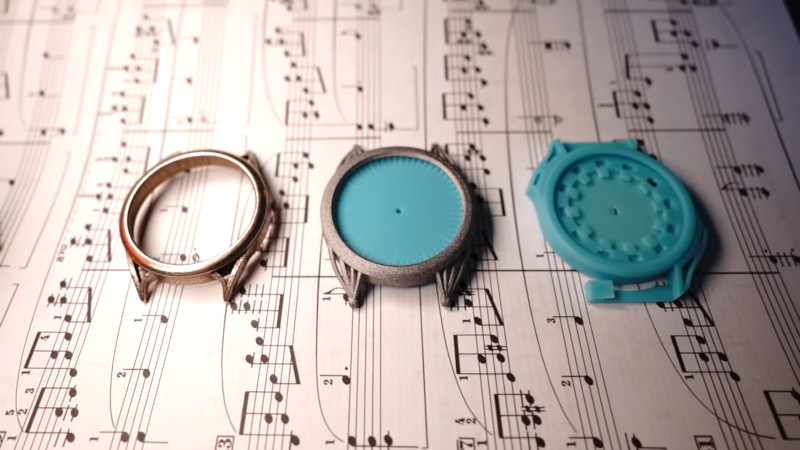
The case defines your watch’s appearance and protects the movement. Making one from metal requires serious tools, but alternatives exist.
Case Options by Skill Level
Beginner: Modify a pre-made case using files and sandpaper. Drill new holes or reshape the crown area.
Intermediate: 3D print or laser-cut a custom case from resin, acrylic, or wood. This allows full creative control without metalworking equipment.
Advanced: Machine brass or stainless steel using a lathe or CNC. This requires significant investment in tools and training.
3D Printing Tips for Watch Cases
Use resin printers for fine detail and smooth surfaces. Print in gray or metallic PLA for a watch-like finish. Post-process with sanding, primer, and clear coat to achieve a professional look.
Maker Hack: Artful_Dabbler built two watches using the same pre-bought movement. One had a laser-cut case, the other was 3D printed. Both turned out well with proper finishing.
Step-by-Step Movement Assembly
Now comes the delicate work. Follow these steps carefully to assemble your functional pocket watch.
Install Hands and Dial
- Press the hour hand onto the center shaft first
- Add the minute hand, ensuring it does not touch the hour hand
- Attach the second hand if your movement has one
- Check clearance by rotating all hands
- Secure the dial using dial feet or clips
- Align the 12 o’clock marker with the stem position
Visual Cue: Look through the crystal. Numbers should be upright when the stem points to 12.
Insert Movement into Case
- Place the movement into the case back
- Align the stem with the crown opening
- Secure with case screws or a snap ring
- Add a gasket if water resistance matters for your build
- Press or screw the crystal into place
Time Estimate: Experienced builders need 1 to 3 hours for full assembly. First-timers should plan for additional time.
The Hudson DIY Watch Kit: A Beginner-Friendly Option
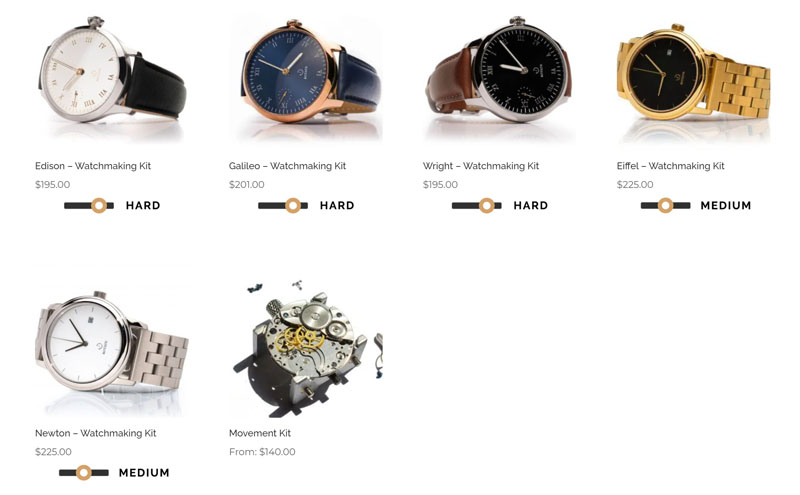
For a guided, high-quality experience, the Rotate Watches Hudson Kit stands out as the top-rated choice for aspiring watchmakers.
What Is Included
The kit comes with a skeleton mechanical movement, silver case with vintage finish, black dial and hands, assembly tools with magnetic screwdriver tip, detailed instruction guide, and lifetime warranty with US support.
Why This Kit Works Well
Despite the complexity of mechanical movements, the Hudson kit is beginner-friendly. The real mechanical movement creates an authentic heirloom feel. Users describe the weight as “hefty” and the appearance as “gorgeous.”
User Challenge: “The screws are maddening. I finally got it by using the magnetized screwdriver.” (Gerald Greenwood)
Pro Tip: Use a magnifying glass. Tiny screws and dial feet are difficult to see with bare eyes.
Making a Paper Pocket Watch for Kids
Not every pocket watch needs to tick. Paper crafts are fast, fun, and perfect for classrooms or imaginative play.
Perfect Uses for Paper Watches
These crafts work well for children ages 4 and up. They support Alice in Wonderland themes, steampunk cosplay, and homeschool time-telling lessons.
Educator Note: “We practiced moving the hands to each hour, talked about what happens at each hour, and discussed the difference between the big hand and the little hand.” (Nanny Shecando)
Paper Watch Materials
Gather cardstock or thick paper, scissors, glue stick, two pipe cleaners in different colors, yarn or ribbon, markers or paint, and a cup for tracing circles.
Build the Watch in 7 Steps
- Trace two circles side-by-side using a cup, leaving a small bridge between them
- Cut out the shape and punch a center hole for the hands
- Decorate with themes like rabbits, playing cards, or Cheshire Cat faces
- Draw numbers 1 to 12 around a smaller circle for the clock face
- Glue the clock face to the watch body, aligning the center hole
- Push two pipe cleaners through the center hole, using different colors for hour and minute hands
- Flatten the ends on both sides and trim so the minute hand reaches 12 while the hour hand stops short
Craft Hack: Bend one pipe cleaner end toward 12 and trim so it points exactly at 12.
Add a Neck Strap
- Fold yarn in half and push the looped end through the top hole from back to front
- Pull the loose ends through the loop and tighten like a lark’s head knot
- Trim excess yarn to desired length
Alternatives: Use ribbon, shoelaces, or a faux gold chain.
Building Advanced Prop Watches (Steampunk)

For filmmakers, cosplayers, or artists, upgrade to realistic props using salvaged parts.
Materials Needed
Gather an old or sacrificial pocket watch, bonsai shears for disassembly, air-dry clay, pigments in silver and yellow ochre, clear glue, free stock clock face images, eyelets with screw tops, tissue, and rubbing alcohol.
Prop Assembly Process
- Take apart the donor watch carefully
- Save the lenses, as up to four can be reused
- Paint the case with antique gold using a mix of silver, yellow ochre, and base pigment
- Sculpt a winder from clay, insert an eyelet, and let dry for 24 hours
- Print a Victorian clock face, resize it, and glue it under the lens
- Trace the lens edge with a marker and clean excess with alcohol
- Apply black patina to edges for an aged appearance
- Attach a chain through the eyelet
Result: A steampunk masterpiece that looks authentic without needing to function.
Customize Your Watch Style
Make your pocket watch unique by choosing a theme that fits your personality.
Popular Theme Options
Steampunk: Exposed gears, brass finishes, rivets, pipes, and broken time dials create an industrial Victorian feel.
Victorian: Floral engravings, enamel dials, scrollwork, and monochrome numerals evoke elegance.
Fantasy Themes: Alice in Wonderland features rabbits and tea party quotes. Gothic themes use skulls and dark metals. Minimalist designs keep clean faces with black-on-white contrast.
User Idea: “I’m sanding down an acrylic case to fit a custom movement.” (dissapointing_excuse)
Essential Tools by Project Type
You do not need a full machine shop. Here is what you actually need.
Tools for Functional Builds
Calipers measure movement and case dimensions accurately. Jeweler’s screwdriver sets handle tiny precision screws. Tweezers place delicate hands without damage. A magnifying glass helps you see small components. A magnetized screwdriver prevents dropping tiny screws.
Tools for Craft Projects
Basic supplies suffice: scissors, glue stick, paintbrushes, hole punch, ruler, and pencil. The Hudson kit includes its own tools, so no extra purchases are needed.
Skill Levels and Realistic Expectations
Not all projects are equal. Match your build to your experience level.
Project Feasibility Chart
Full Scratch Build: Requires expert skill, CNC and lathe access, 100 plus hours, and over $2,000 in equipment. This is not practical for most hobbyists.
Custom Case Plus Movement: Intermediate skill level, needs 3D printer or laser cutter, takes 10 to 40 hours, and costs $100 to $500. This is possible with some outsourcing.
Modify Existing Case: Beginner to intermediate, requires files and drill, takes 5 to 10 hours, and costs $50 to $200. This is doable for most people.
Paper Craft Watch: Beginner level, uses basic supplies, takes 30 to 60 minutes, and costs under $10. This is fully feasible.
Hudson DIY Kit: Intermediate skill, requires magnifier and steady hands, takes 1 to 3 hours, and costs $235. This is fully feasible.
Reality Check: “Making one from scratch is definitely not that simple. You do need special tools and a library’s worth of book knowledge.” (Frankintosh95)
But assembling a real pocket watch from components? Absolutely doable.
Final Tips for Success
Follow these guidelines to avoid common pitfalls and enjoy the building process.
For Functional Builds
Start with a quartz or NH35 movement for reliability. Buy a compatible case or have one 3D printed. Watch YouTube builds to see real-time assembly. Join r/DIYWatch for community troubleshooting.
For Craft Projects
Use cardstock for durability over thin paper. Let kids choose themes to boost engagement. Combine with storytelling for added fun. Laminate finished watches so they last longer.
Frequently Asked Questions About Making a Pocket Watch
Can I build a functional pocket watch without special tools?
Yes. You can assemble a working pocket watch using pre-made movements and cases. The Hudson DIY kit includes all necessary tools. You do not need CNC or machining equipment unless you want to make cases from scratch.
How long does it take to make a pocket watch?
Paper craft versions take 30 to 60 minutes. The Hudson kit takes 1 to 3 hours. Custom case builds with a pre-made movement take 10 to 40 hours. Full scratch builds require 100 plus hours and years of practice.
What is the best movement for beginners?
Quartz movements are best for beginners. They are affordable, easy to install, and require no winding or maintenance. The NH35 automatic movement is popular for those wanting mechanical complexity without extreme difficulty.
Do I need to match the case to the movement?
Yes. The case and movement must be compatible in size, stem position, and winding style. Measure carefully before purchasing. Mismatched parts will not work together.
Can children make pocket watches?
Yes. Paper pocket watches are perfect for children ages 4 and up. They teach time-telling concepts while encouraging creativity and fine motor skills. Adult supervision is recommended for cutting and assembly.
Is the Hudson kit worth the price?
At $235, the Hudson kit offers excellent value. It includes a real mechanical movement, quality case, all tools, detailed instructions, lifetime warranty, and US support. This is significantly less expensive than similar kits or building from separate parts.
Key Takeaways for Making Your Own Pocket Watch
You can absolutely make a pocket watch without a horology degree. The secret is choosing the right path for your goals and skill level. For a real timepiece, use a pre-made movement and customize the case. For a fun project with kids, make a paper watch in under an hour. For steampunk art, combine salvaged lenses, clay, and creative painting.
From the Hudson DIY kit with its lifetime warranty to a child’s handmade Alice in Wonderland prop, every build teaches something valuable. You will learn patience, precision, and the satisfaction of creation.
So start small. Use what you have. Upgrade later. The journey of learning how to make a pocket watch is not about perfection. It is about the joy of making something with your own hands.