If your stainless steel watch has lost its luster or developed fine scratches from daily wear, you are not alone. Over time, even high-quality 316L or 904L stainless steel shows hairline marks that dull its appearance. Fortunately, how to polish watch stainless steel does not require a professional when done correctly with the right techniques and tools.
This guide walks you through safe, effective methods tailored to your watch is finish whether mirror, brushed, or mixed so you can restore its brilliance without risking permanent damage.
Identifying Your Watch is Finish: Mirror vs Brushed

Stainless steel watches rarely use one uniform finish. Most combine polished and brushed surfaces for visual contrast, and applying the wrong method can ruin the design.
Mirror and Brushed: Key Differences
Mirror polished surfaces reflect light sharply and show every micro-scratch, making them common on case edges, bezels, and center bracelet links. Brushed or satin surfaces have a directional grain that diffuses light and hides wear better, typically found on case sides and outer bracelet links.
Using a polishing cloth on brushed steel creates shiny patches that permanently destroy the original look. Always identify and mask different areas before starting any polishing work.
Check for Coatings First
Some stainless steel watches are not actually raw metal. PVD Physical Vapor Deposition creates black, gold, or graphite finishes like Apple Watch Space Black. DLC Diamond-Like Carbon is an extremely hard but thin coating.
Never polish coated watches because abrasives strip the color permanently. Only raw stainless steel should be polished.
When to Skip Polishing: Vintage, Luxury, and Coated Watches
Polishing is not always safe. Certain watches lose significant value or structural integrity if mishandled by amateurs.
High-Value and Vintage Models
Luxury brands like Audemars Piguet, Patek Philippe, and Vacheron Constantin retain collector value when unpolished. A single over-polish on a Royal Oak or Nautilus can reduce market price by up to 50 percent. These models have intricate geometries best handled by brand-authorized or certified watchmakers.
Integrated Bracelet Risks
Watches with integrated designs like IWC Ingenieur or Rolex Sky-Dweller require precision to maintain case-bracelet alignment. DIY attempts often lead to uneven polishing or lug thinning.
Gold-Plated and Two-Tone Watches
Plating is only a few microns thick. Polishing removes it irreversibly, exposing the base metal underneath. If your watch is vintage, limited edition, or worth more than 2,000 dollars, consult a professional before proceeding.
Essential Tools for Polishing Watch Stainless Steel at Home

Using the right tools matches your watch is finish and scratch depth for safe, effective results.
DIY-Friendly Supplies
The following tools form the essential kit for home polishing.
Cape Cod Polishing Cloth removes hairline scratches and leaves a protective wax layer. Microfiber Cloths in white and lint-free are used for buffing and cleaning. 3M Blue Painter is Tape provides low-tack masking for crystals, engravings, and brushed areas. A Soft Toothbrush cleans links, logos, and crevices. Mineral Oil revives dried polishing cloths with 2 to 3 drops.
The Cape Cod cloth is the gold standard for home use. Its proprietary blend of mild abrasive and wax gently lifts oxidation while protecting the surface.
Advanced Tools for Deep Scratches
For deeper scratches, these professional-grade tools may be needed.
Wet and Dry Sandpaper in 1,500 to 12,000 grit provides progressive scratch removal. The Garryflex Blue Block enables hand-sanding for brushed finishes. A Dremel with micro-sanding attachments offers precision work in corners. An Ultrasonic Cleaner provides deep cleaning before and after polishing.
Avoid motorized tools unless you have experience. Excessive speed or pressure can permanently gouge the metal.
How to Polish Mirror-Finished Watch Steel Step by Step
Follow this method for polished case backs, bezels, and center links to achieve a showroom finish safely.
Remove and Clean the Bracelet First
Detach the bracelet with a spring bar tool to prevent accidental damage to the case. Wash in warm soapy water using a soft toothbrush, scrubbing between links and under the clasp. Rinse thoroughly and dry completely because any moisture interferes with polishing compounds.
Never polish a dirty watch because embedded grit causes new scratches during the process.
Mask Off Sensitive Areas
Apply low-tack painter is tape to the sapphire or mineral crystal, crown and pushers, engravings and serial numbers, and any brushed surfaces to prevent cross-contamination. Tape edges neatly to avoid lifting during polishing.
Apply the Polishing Cloth
Unfold a Cape Cod cloth and rub gently over the polished surface using light to medium pressure. Apply circular or back-and-forth strokes along the natural contour, working each section for 30 to 60 seconds. The cloth will darken as it lifts micro-scratches and oxidation.
One pass is usually enough. Over-rubbing causes localized thinning of the metal.
Buff While Wet
Immediately after polishing, use a clean microfiber cloth to buff off residue in circular motions until the surface shines. Do not rinse or wash because this removes the protective wax layer. Repeat only if needed and store used cloths in their tin or foil to retain moisture.
Restoring Brushed Steel Finishes Without Damaging Grain
Brushed steel requires grain-specific techniques. Never use a polishing cloth on brushed surfaces.
Use Directional Sanding
Lightly dampen 1,500 to 2,000 grit wet/dry sandpaper or a Blue Garryflex block. Work in the direction of the existing grain using minimal pressure, just enough to blend scratches. Stop when the surface looks uniform under bright light.
Polish in the direction of the metal is grain already on the surface of your watch.
Mask Polished Areas First
Before sanding, tape off adjacent mirror-finished sections to prevent accidental shine. After brushing, re-tape the brushed area and expose polished sections for separate treatment.
Finish with a Soft Cloth
Wipe with a dry microfiber to remove residue and check grain consistency under bright light.
Advanced Scratch Removal: Grit Progression for Deep Marks
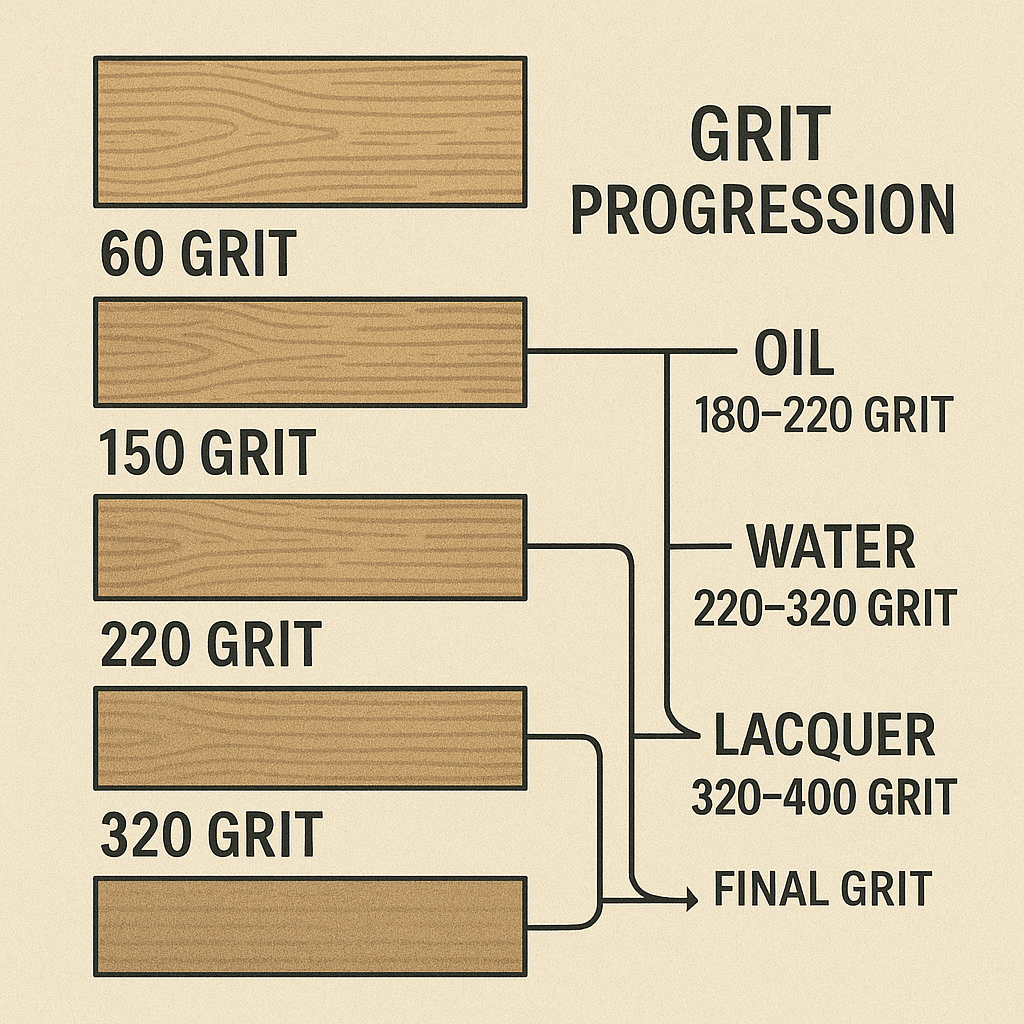
For deep visible scratches, follow a controlled grit progression to fully restore the finish.
Complete Grit Sequence
The following sequence removes progressively deeper scratches.
800 grit levels deep scratches. 1,800 grit smooths coarse marks. 3,600 grit refines the surface. 7,000 grit begins mirror development. 12,000 grit achieves the final high-gloss finish.
Never skip steps because each stage prepares the surface for the next.
Application Tips
Use light pressure with a rotary tool or by hand and spend 1 to 2 minutes per grit. Wipe clean between stages and monitor the transition from matte to sheen to gloss. Finish with a microfiber pad or cotton ball on a drill for tight corners.
Protecting Delicate Areas: Crown, Logos, and Engravings
Avoid damaging small, delicate parts by following these precautions.
Logos and Branding
Always mask logos before polishing nearby areas. If accidentally smudged, clean gently with a toothbrush and dry immediately.
Crown and Pushers
Do not polish crowns and pushers. Risk includes wearing down knurling, damaging crown logos, and compromising water resistance. If necessary, fully mask these areas before working on adjacent surfaces.
Case Back Engravings
Polishing erases serial numbers and text permanently. Never polish engraved surfaces.
Maintenance to Reduce Future Polishing
Prevent scratches and extend time between polishes with proper care.
Daily and Weekly Care
Wipe with a micro fiber cloth after wear to remove skin oils and fingerprints. Use a damp cloth weekly and dry immediately to prevent buildup in links and crevices.
Band Choice Impact
Milanese Loop bands cause micro-scratches on stainless steel cases. Switch to leather, rubber, or nylon straps if scratch prevention is a priority.
Proper Tool Storage
Keep polishing cloths sealed in their tin away from heat and sunlight. Revive dry cloths with 2 to 3 drops of mineral oil.
Real Results: What Actually Works
Thousands of users report success with home methods.
Basic Apple Guy uses Cape Cod cloth 1 to 2 times per year and restores Apple Watch stainless steel to day one glory. Drunkaviator reports that nail polish repair kits remove nearly all light scratches on a budget. Zaalimsingh achieved perfect results on silver stainless steel with Cape Cod cloth. IMacGirl uses only micro fiber wiping and the watch looks brand new after more than five years.
Long as you have removed the significant scratches, your watch will look a million dollars.
Warning: Automotive compounds like car polish may work but risk uneven results. Stick to watch-specific tools for safe outcomes.
Long-Term Risks and Best Practices
Polishing is irreversible. Each session removes 0.001 to 0.005 mm of metal. Over decades, this can thin lugs and weaken case integrity.
Material Loss Over Time
After 10 sessions, approximately 0.05 mm of metal is removed. After 20 sessions, approximately 0.10 mm is removed. While minimal per session, cumulative thinning affects structural durability.
Warranty and Resale Impact
Polishing does not void warranty unless internal damage occurs. However, unpolished watches command higher prices, especially vintage or limited editions.
Final Checklist
Confirm your watch is raw stainless steel. Identify all finish types. Mask crystal, engravings, and brushed areas. Clean and dry thoroughly. Use light pressure and even strokes. Buff residue while wet. Store tools properly.
Do not polish PVD or DLC-coated models. Do not use polishing cloths on brushed steel. Do not skip grit stages in deep scratch repair.
Frequently Asked Questions About Polishing Stainless Steel Watches
Can I polish my Apple Watch at home?
Yes, you can polish raw stainless steel Apple Watches at home using a Cape Cod cloth. However, you must avoid polishing coated models like Space Black, Gold, or Graphite because the finish will be permanently removed.
How often should I polish my stainless steel watch?
Most users achieve good results with light polishing every 6 to 12 months. Excessive polishing removes too much metal over time. For maintenance, wipe with a micro fiber cloth after each wear.
Does polishing void the watch warranty?
Polishing itself does not void manufacturer warranty unless internal components are damaged. However, unauthorized modifications may affect warranty service. Check your warranty terms before proceeding.
Can I use toothpaste to polish my watch?
Toothpaste is not recommended because it contains inconsistent abrasives that can scratch stainless steel. Stick to purpose-made products like Cape Cod cloths or watch-specific polishing compounds.
What removes deep scratches from a watch?
Deep scratches require progressive wet/dry sandpaper starting at 800 grit and moving up to 12,000 grit. This advanced technique requires practice. Consider professional refinishing for valuable watches.
Why does my brushed watch look shiny after cleaning?
Using a polishing cloth or circular motions on brushed steel destroys the directional grain and leaves shiny patches. Always work in the direction of the existing grain using sanding blocks or appropriate tools.
Key Takeaways for Polishing Your Stainless Steel Watch
For most users, Cape Cod polishing cloths offer the safest, most effective way to restore shine to raw stainless steel watches. With proper masking and technique, you can achieve a showroom-ready finish at home without professional help.
Always identify your watch is finish type before starting. Mirror surfaces need polishing cloths while brushed surfaces require directional sanding. Never attempt to polish vintage, luxury, coated, or gold-plated watches without professional consultation.
For deep scratches or valuable timepieces, consider professional refinishing limited to 2 to 3 times in a watch is lifetime due to cumulative material loss. When in doubt, consult a certified watchmaker. The cost of expert service is small compared to the risk of permanent damage on a valuable timepiece.