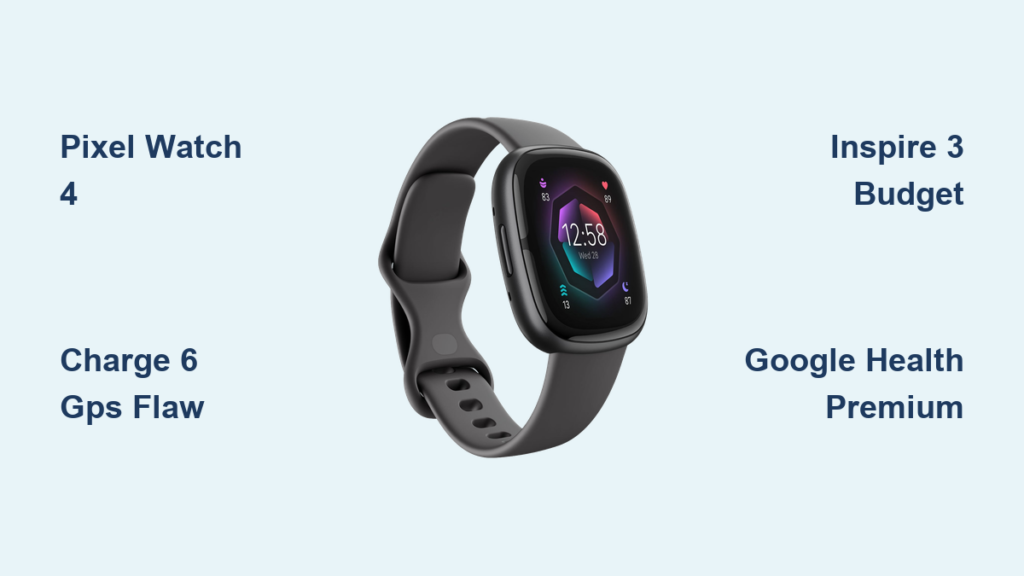
You’re ready to invest in your health, tracking steps, monitoring sleep, or managing stress, but the Fitbit lineup in 2026 isn’t what it used to be. With Google’s full integration of Fitbit into its ecosystem, the days of new Fitbit-branded smartwatches are over. The Pixel Watch 4 now carries the torch for Fitbit’s health tracking legacy, while traditional fitness bands like the Charge 6 and Inspire 3 remain your best options if you prefer a lightweight tracker.
This guide cuts through the confusion. We’ll show you exactly how to choose the right Fitbit device based on your lifestyle, budget, and tracking needs, factoring in critical issues like GPS flaws, subscription costs, and battery life. Whether you’re a serious athlete, a senior monitoring heart health, or a parent buying for kids, you’ll walk away knowing which model truly fits your life.
Know the 2026 Fitbit Reality
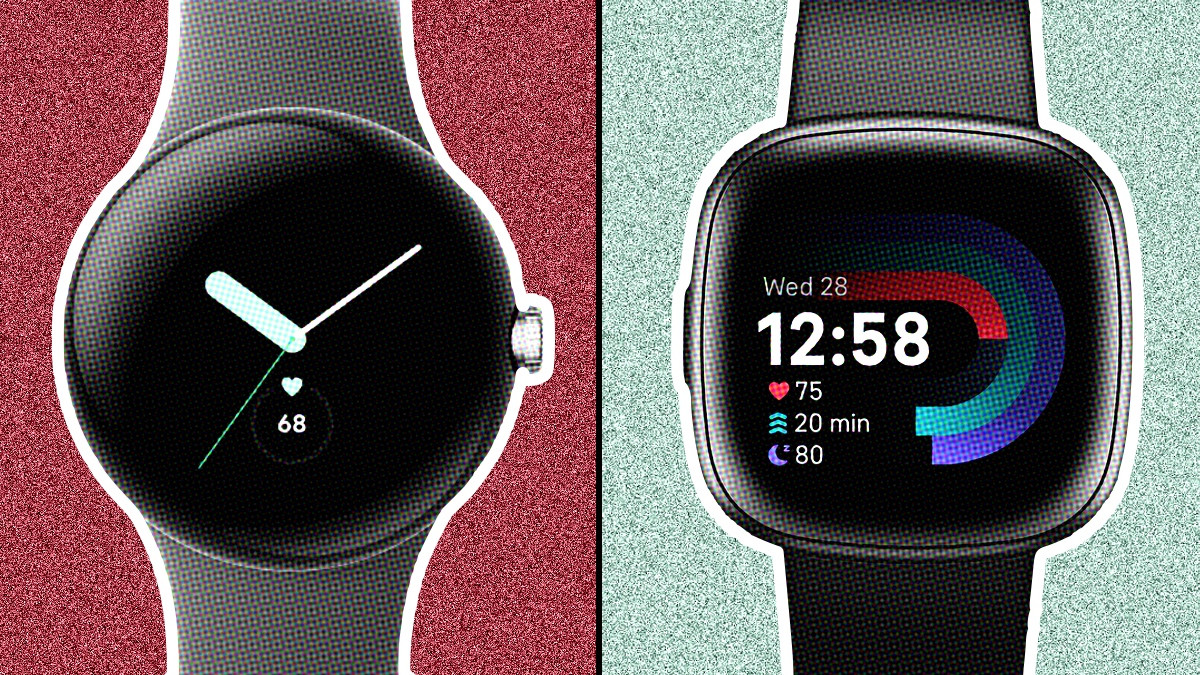
Google’s control over Fitbit has reshaped the market. No new Fitbit smartwatches are coming. The Pixel Watch line is now the flagship for advanced health tracking, powered by Fitbit’s algorithms but running Wear OS. Meanwhile, fitness trackers like the Charge and Inspire lines continue under the Fitbit brand, with updates expected in 2026.
The Google Health app has replaced the Fitbit app, introducing a Gemini-powered Health Coach that offers AI-driven insights and personalized plans. But here’s the catch: those advanced features require a $10/month Google Health Premium subscription. Basic tracking, steps, heart rate, and sleep, remains free.
If you’re buying in 2026, you’re choosing between Fitbit-style trackers or Pixel-branded smartwatches. Your decision hinges on battery life, smart features, and whether you want a screen.
Match Device to Your Lifestyle
You Want the Best Fitbit Experience
Choose: Google Pixel Watch 4
The Pixel Watch 4 is the true successor to Fitbit’s high-end vision. It runs Wear OS 6, giving you full access to Google apps, Maps, Gmail, Calendar, Play Store, and integrates seamlessly with Fitbit’s health engine.
Why it wins:
- Best-in-class heart rate and sleep tracking
- 24/7 health metrics with Daily Readiness Score
- AI-powered recovery insights
- 3,000-nit domed AMOLED screen, visible in direct sunlight
- Fast charging: 30 minutes gets you a full day
Who it’s for: Tech lovers, Android users, and anyone who wants a smartwatch that doubles as a health powerhouse.
Skip if: You hate daily charging or want 7+ day battery life.
You Need Advanced Tracking in a Band
Choose: Fitbit Charge 6 (With Caution)
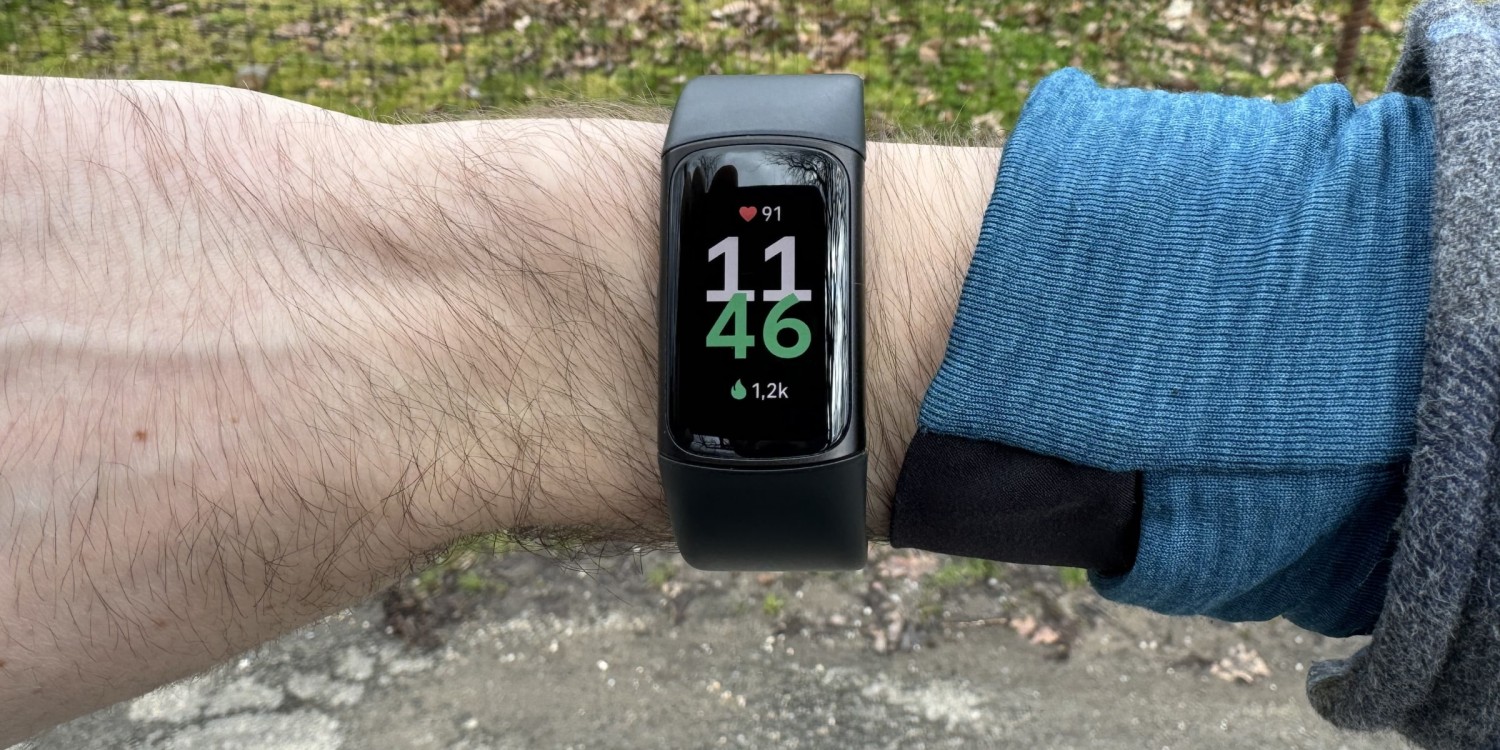
The Charge 6 is Fitbit’s most advanced fitness band. It packs ECG, EDA stress tracking, skin temperature, SpO2, built-in GPS, and Google Wallet into a sleek stainless steel case.
But there’s a major flaw: during outdoor workouts, it often fails to record both GPS and heart rate accurately at the same time. This isn’t a software bug, it’s a hardware limitation.
Battery life: Up to 7 days
Pros:
- Physical side button improves usability
- Google Maps integration
- Active Zone Minutes tracking
Cons:
- GPS/HR accuracy glitch during exercise
- No altimeter
- Strap durability issues reported
Who it’s for: Users who want ECG and GPS but don’t need perfect workout data.
Better option: Wait for the Charge 7 in 2026, expected to fix these issues.
You’re on a Budget
Choose: Fitbit Inspire 3
The Inspire 3 delivers 90% of what most people need: sleep tracking, SpO2, skin temperature, heart rate, and 20+ workout modes, all for under $100, often on sale.
Battery life: Up to 10 days, even with heavy use
Display: Color AMOLED, vast upgrade from Inspire 2
No GPS: Uses your phone’s GPS for outdoor runs
Who it’s for: Beginners, casual walkers, or anyone who wants health tracking without the price tag.
Skip if: You run or cycle without your phone. GPS is essential.
You Want Minimal Distraction
Choose: Fitbit Air
The Fitbit Air is the first screenless Fitbit. No notifications, no apps, just passive health tracking.
Tracking: Heart rate, sleep, SpO2, stress, recovery, and trends
Battery: 7 days, with 5 minutes of charge equals 1 day of use
AI insights: Only available with Google Health Premium
Who it’s for: Minimalists, mindfulness practitioners, or those overwhelmed by tech.
Skip if: You want on-wrist workout stats or GPS.
You Care About Style
Choose: Fitbit Luxe
The Luxe looks like jewelry, not tech. Stainless steel case, slim profile, and a gold link bracelet option make it ideal for formal wear.
Features: SpO2, stress score, sleep, steps, but no GPS or ECG
HR accuracy: Weak during intense workouts
Battery: 5 days
Who it’s for: Fashion-first users who want basic tracking.
Skip if: You’re a runner or cyclist. No GPS, poor exercise heart rate.
You’re Managing Health Conditions
Choose: Fitbit Sense 2
The Sense 2 is built for wellness, not smart features. Its Body Response Sensor tracks stress continuously by measuring palm sweat.
Health tools:
- ECG
- Skin temp
- SpO2
- Sleep stages
- Stress tracking
Limitations: No third-party apps, clunky interface, no music storage
Battery: 6 days
Who it’s for: Seniors, heart health patients, or those focused on stress management.
Skip if: You want Spotify, apps, or a modern smartwatch feel.
You Want a Fitbit for Kids
Choose: Fitbit Ace LTE or Ace 3
For safety and connectivity, the Ace LTE is unmatched. Kids can make voice calls and be located via GPS, ideal for peace of mind.
Ace LTE details:
- $9.99/month subscription required
- 60 minutes of movement unlocks game time
- LTE enabled for calls and location
For basic activity, the Ace 3 is durable, swim-proof, and has no screen distractions.
Ace 3 details:
- No heart rate monitor
- 8-day battery
- Step tracking, sleep insights, move reminders
Who it’s for: Parents of kids ages 6-12.
Skip if: You don’t want ongoing subscription fees.
Avoid These Common Mistakes
Ignoring the GPS/HR Flaw in Charge 6
If you’re a runner or cyclist, do not buy the Charge 6 expecting reliable GPS and heart rate data. During testing, the device often drops one or the other. This isn’t user error, it’s a design flaw. Either wait for the Charge 7 or choose the Pixel Watch 4 for accurate dual tracking.
Expecting Free Premium Features
The Google Health Premium subscription $10/month unlocks:
- AI Health Coach
- Adaptive workout plans
- Detailed sleep analysis
- Recovery scores
Without it, you only get basic stats. If you’re not willing to pay, stick to devices where free features meet your needs, like the Inspire 3 for step and sleep tracking.
Assuming All Fitbits Are Waterproof
All current Fitbits are 5ATM water-resistant, safe for swimming and showers. But salt water and chlorine can damage the device if not rinsed. Always wash your Fitbit after pool or ocean use.
Overlooking Battery Trade-Offs
Smartwatches equal short battery. Trackers equal long life.
Battery comparison:
- Pixel Watch 4: Charge every 1-2 days
- Charge 6 / Inspire 3: Charge once a week or less
If you hate charging, avoid smartwatches unless you value rapid charging. Both Pixel Watch 4 and Fitbit Air charge fast.
Compare Key Features at a Glance

| Feature | Pixel Watch 4 | Charge 6 | Inspire 3 | Sense 2 | Luxe | Air |
|---|---|---|---|---|---|---|
| OS | Wear OS 6 | Fitbit OS | Fitbit OS | Fitbit OS | Fitbit OS | Fitbit/Google Health |
| GPS | Yes | Yes | Phone-only | Yes | No | No |
| ECG | Yes | Yes | No | Yes | No | No |
| Stress (EDA) | No | Yes | No | Yes | No | No |
| SpO2 | Yes | Yes | Yes | Yes | Yes | Yes |
| Skin Temp | Yes | Yes | Yes | Yes | No | Yes |
| Battery Life | 1-2 Days | 7 Days | 10 Days | 6 Days | 5 Days | 7 Days |
| Smart Features | Full apps, calls, music | Google Wallet, Maps | Basic notifications | Google Assistant | Notifications only | None |
| Subscription Needed? | Yes (for AI) | Yes (for AI) | Yes (for AI) | Yes (for AI) | Yes (for AI) | Yes (for AI) |
Final Tips Before You Buy
1. Decide: Smartwatch or Tracker?
Choose smartwatch if you want apps, calls, and a full Android experience. Go with Pixel Watch 4.
Choose tracker if you want long battery and fitness focus. Consider Charge 6, Inspire 3, or Air.
2. Check for Ongoing Costs
- Google Health Premium: $10/month for AI insights
- Ace LTE service: $9.99/month for location and calls
- Free tier: Still useful for steps, time, and basic heart rate
3. Consider Future Support
- Versa 4 and Sense 2 are discontinued. No new features, limited long-term updates.
- Pixel Watch line gets priority software support.
4. Wait for 2026 Updates?
Charge 7 and Inspire 4 are expected in 2026. If you can wait, you may get better GPS, longer battery, and lower prices on current models.
5. Test for Comfort
Luxe and Air are light and sleek, great for sleep. Charge 6 and Pixel Watch 4 are bulkier, better for workouts.
Frequently Asked Questions About Choosing a Fitbit Watch
What is the best Fitbit watch in 2026?
The best Fitbit experience in 2026 is the Google Pixel Watch 4. It runs Wear OS but uses Fitbit’s health algorithms, offering the most accurate tracking, full app ecosystem, and AI features. For traditional band-style trackers, the Charge 6 remains the flagship option.
Does Fitbit still make smartwatches?
No. Google discontinued Fitbit-branded smartwatches in August 2024. The Pixel Watch line now serves as the successor to Fitbit’s smartwatch legacy, running Wear OS instead of Fitbit OS.
Do I need to pay for Fitbit Premium?
No. Basic tracking, including steps, heart rate, and sleep stages, remains free on all devices. You need Google Health Premium at $10/month only if you want AI Health Coach, adaptive workout plans, and detailed sleep analysis.
Which Fitbit has the longest battery life?
The Fitbit Inspire 3 offers the longest battery life at up to 10 days. Most fitness bands, including Charge 6 and Luxe, last 5-7 days, while smartwatches like Pixel Watch 4 require daily or every-other-day charging.
Is the Fitbit Charge 6 worth buying despite its GPS issues?
The Charge 6 is worth buying only if you don’t rely on precise GPS and heart rate data during outdoor workouts. If accurate workout tracking matters to you, either wait for the Charge 7 or choose the Pixel Watch 4.
Key Takeaways for Choosing Your Fitbit Watch
The best Fitbit watch in 2026 isn’t technically a Fitbit; it’s the Google Pixel Watch 4. It delivers the most accurate health tracking, full smartwatch capabilities, and AI-powered insights, but requires daily charging and a premium price.
If you prefer the classic band-style tracker, the Inspire 3 offers unbeatable value with 10-day battery life and essential health tracking for under $100. The Charge 6 delivers advanced features like ECG and GPS, but be aware of its documented GPS and heart rate accuracy issues during outdoor exercise.
Know your priorities before buying. Choose based on whether you value battery life, tracking accuracy, smart features, or style, and factor in the $10/month subscription cost if you want AI-powered health insights.