You’re mid-run, sweat dripping, rhythm steady, until your phone slips from your pocket. Or worse, your energy gel turns into a soggy mess from sweat-soaked fabric. This is where the running belt proves its worth. The running belt purpose goes beyond simple convenience. It is about performance, security, and freedom. Designed to carry essentials securely against your body, it solves the fundamental flaw of standard pockets, which were never built for motion. A running belt keeps your phone, keys, nutrition, and hydration stable and accessible, so you stay focused on your stride instead of your gear.
More than a simple pouch, the right running belt transforms how you move. Whether you are logging urban miles, training for a marathon, managing a medical condition, or traveling light, it bridges minimalism and preparedness. It is not just for runners but for anyone who values hands-free movement without compromise. In this guide, you will learn exactly why a running belt matters, who benefits most, how it outperforms alternatives, and how to choose the best one for your needs.
Secure Essential Carry

Keep Valuables Safe and Stable
A running belt’s core job is to prevent loss and damage. Standard pockets bounce, stretch, and fail under motion. A dedicated belt locks down your phone, keys, cards, and cash with compression-fit pockets and snug elastic. High-quality models use silicone grippers and moisture-wicking liners to stop slippage and sweat damage. This means your phone won’t fall into a storm drain, your hotel key stays dry, and your credit card doesn’t snag on fabric.
Prevent Bounce and Chafing
Bounce is the enemy of comfort. Cheap belts slap against hips or ride up with every stride. The best designs compress contents tightly to your waist, using expandable neoprene or stretch fabric that moves with you. Proper fit at the natural waist eliminates shifting. Look for seamless interiors and flatlock stitching to avoid skin irritation, especially on long runs.
Ideal for Urban and Travel Runs
City runners and travelers benefit most. Instead of lugging a backpack or risking theft with visible armbands, a low-profile belt hides valuables under a jacket or against your torso. It works well for airport layovers, sightseeing jogs, or night runs where safety and discretion matter. Many users report feeling more confident carrying IDs, emergency cash, or even pepper spray within quick reach but out of sight.
Enable Long-Distance Performance

Carry Nutrition Without Interruption
On runs over 5 miles, fueling becomes critical. Hitting “the wall” often starts with poor nutrition access. A running belt solves this by holding 2 to 4 energy gels, chews, or tablets in easy-draw side pockets. No need to stop or fumble, just grab and go. Some models include insulated gel sleeves to prevent melting in heat, preserving your fuel’s effectiveness.
Support Mid-Run Hydration Needs
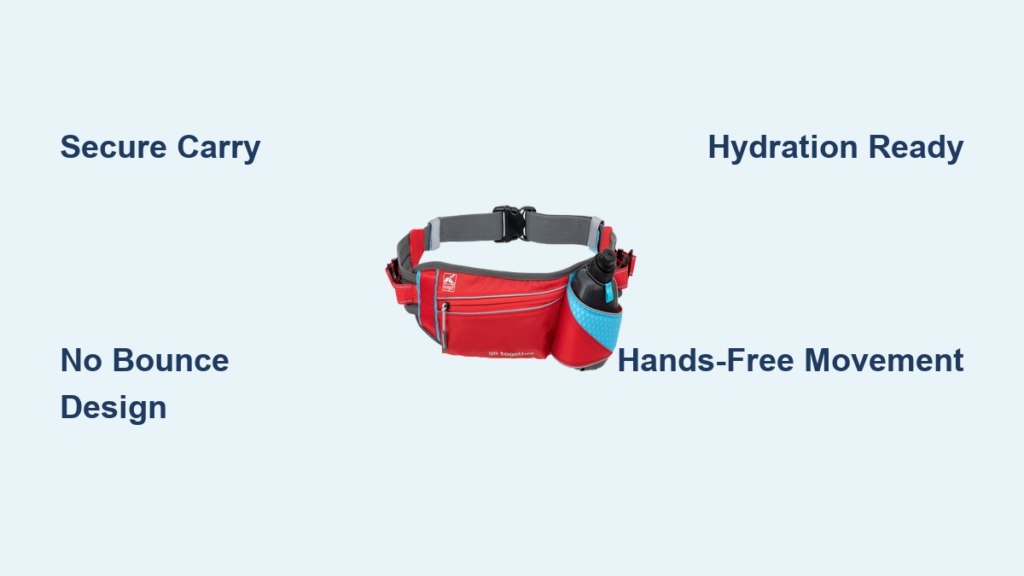
Most belts accommodate one 16 to 24 oz soft flask or bottle, placed for front or side access. This allows sipping every 15 to 20 minutes, aligning with hydration guidelines of 5 to 12 oz per interval. While not for ultra-distance, this capacity covers runs up to 60 minutes or routes with occasional refill points. Soft flasks stay secure even when half-empty, thanks to adjustable holsters that grip the base.
Extend Range Beyond Aid Stations
For solo training or rural routes, a belt turns you into your own aid station. Carry extra water, emergency snacks, and a lightweight windbreaker. This self-sufficiency builds confidence and endurance, letting you push farther without dependency on timing or location. It is especially valuable for marathon prep, where long runs demand consistent fueling without external support.
Optimize Biomechanics and Form
Free Your Hands for Natural Arm Swing
Holding a water bottle alters your gait. It restricts arm movement, creates muscle imbalance, and increases fatigue. A running belt restores natural arm swing, which is critical for rhythm and efficiency. This matters on technical trails, during speedwork, or when using trekking poles, where hand freedom directly impacts safety and performance.
Maintain Posture and Core Alignment
Carrying weight in hands or a backpack pulls your center of gravity off-balance. A waist belt centers load near your core, reducing strain on shoulders and spine. This promotes upright posture, especially over time, helping prevent lower back pain and shallow breathing. The result is smoother strides and less fatigue at the finish.
Reduce Fatigue From Poor Weight Distribution
Handhelds cause asymmetrical strain, meaning one arm works harder and leads to imbalances. Backpacks shift weight with every step, taxing your back. A running belt distributes load evenly around the waist, minimizing energy waste. You will notice the difference in longer efforts, including less soreness, more endurance, and a feeling of lightness.
Serve Medical and Special Needs

Manage Diabetes On the Go
For insulin-dependent runners, a running belt is more than convenient. It securely holds glucose tabs, insulin pens, pumps, and test kits, keeping them stable and sweat-protected. Unlike armbands that bounce or pockets that expose devices, a belt offers a dry, fixed location. This ensures emergency supplies are always within reach, reducing anxiety and response time during a low-blood-sugar event.
Carry Emergency Medication Accessibly
Runners with asthma, allergies, or heart conditions rely on immediate access to inhalers, EpiPens, or nitroglycerin. A running belt with a quick-access zippered pocket keeps these items visible and ready. No digging through a pack or risking loss in a pocket. The peace of mind is invaluable, especially during solo runs or remote routes.
Support Parents and Caregivers
Parents use running belts for more than running. They work well for hands-free walks with strollers or chasing kids. Store snacks, wipes, small toys, and keys without a bulky diaper bag. Dog walkers love them too, since they can carry waste bags, treats, and leashes securely while keeping both hands free. It is versatile gear that adapts to life beyond the track.
Outperform Handhelds and Pockets
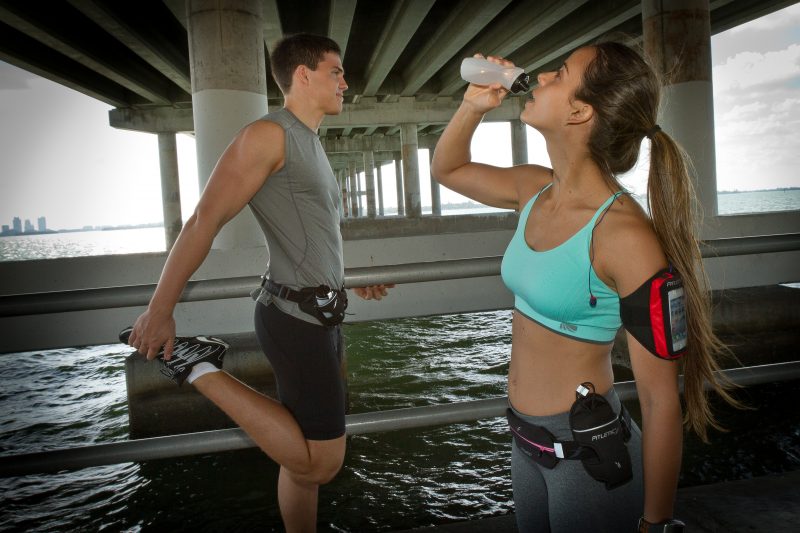
Eliminate Pocket Bounce and Damage
Standard shorts and shirts weren’t made for high-impact movement. Items jostle, fabric stretches, and zippers fail. Phones crack, gels leak, and keys scratch screens. A running belt replaces this chaos with order. Everything has a place, including phone in a padded sleeve, keys in a micro-pocket, and cards in a zip compartment. No more awkward pats to check if your phone is still there.
Replace Handheld Bottles for Comfort
Handhelds cause grip fatigue and alter stride. After 30 minutes, your hand cramps and your arm tires. A belt with a soft flask eliminates this. The bottle stays put, and you sip without slowing down. Plus, you can carry other items, unlike a handheld, which only holds water and maybe a gel.
Avoid Armband Limitations
Armbands shift, press on nerves, and make phone use awkward. Touchscreens don’t respond well through fabric, and calls are muffled. A waist belt keeps your phone horizontal and accessible. Answer calls, check maps, or pause music with ease, all without stopping or removing your arm from swing.
Choose the Right Belt Type

Pick Based on Your Run Distance
Your mileage determines your gear. For short runs under 5 miles, a slim belt with phone and key storage is enough. For mid-distance runs of 5 to 10 miles, add hydration by looking for models with soft flask pockets. For races, use a race belt with bib clips and gel loops to avoid pinning clothes and carry fuel.
Match Belt to Your Environment
Urban runners need security and low profile, so go for discreet, zippered belts. Trail runners in remote areas may need more capacity, but belts top out around 3L. For technical terrain or long trails, consider a vest instead. For paved paths and city parks, a belt is ideal.
Consider Medical or Lifestyle Needs
If you carry insulin, EpiPens, or child supplies, prioritize easy-access, secure pockets. Women may prefer higher-waist or women-specific fits to avoid hip pressure. Travelers should choose RFID-safe pockets and water-resistant materials for global use.
Fit and Placement Tips
Wear at the Natural Waist
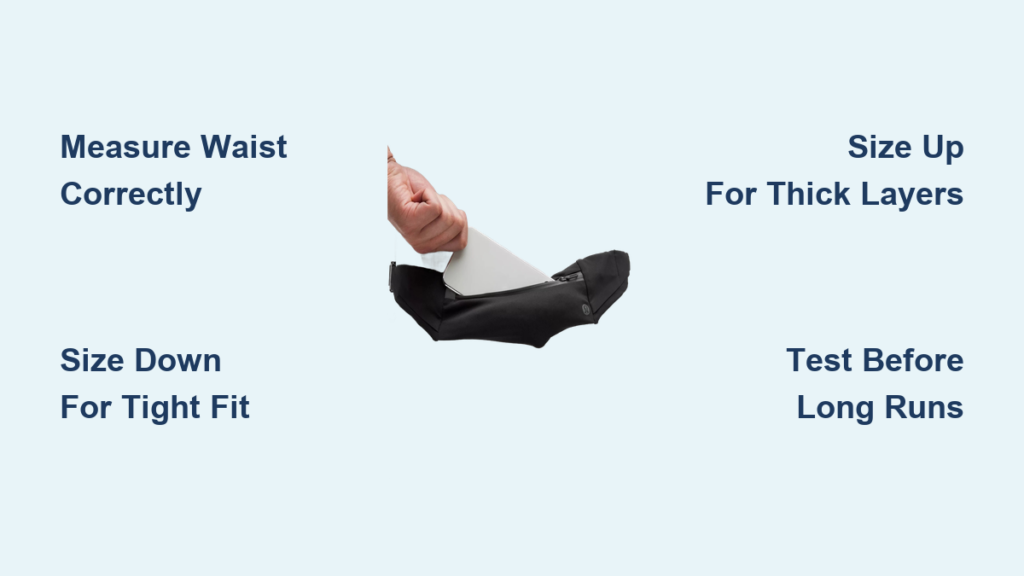
The sweet spot is your natural waist, the narrowest part above the hips. This provides the most stability and prevents sliding. Avoid hip placement, since it shifts during stride and causes bounce. For heavier loads like full bottles, waist placement balances weight best.
Adjust for Snug, Not Tight
The belt should feel snug when standing but not restrictive. It will loosen slightly as you warm up and your muscles expand. Use adjustable straps to fine-tune. It shouldn’t twist, ride up, or require constant repositioning. If it does, it is too loose or poorly designed.
Test Before Race Day
Never debut a new belt on race day. Wear it on training runs to check bounce, comfort, and access. Try different bottle positions, including side, back, or front, to avoid arm swing interference. Ensure zippers don’t rub and pockets open easily with sweaty hands.
Upgrade With Key Features
Look for No-Bounce Technology
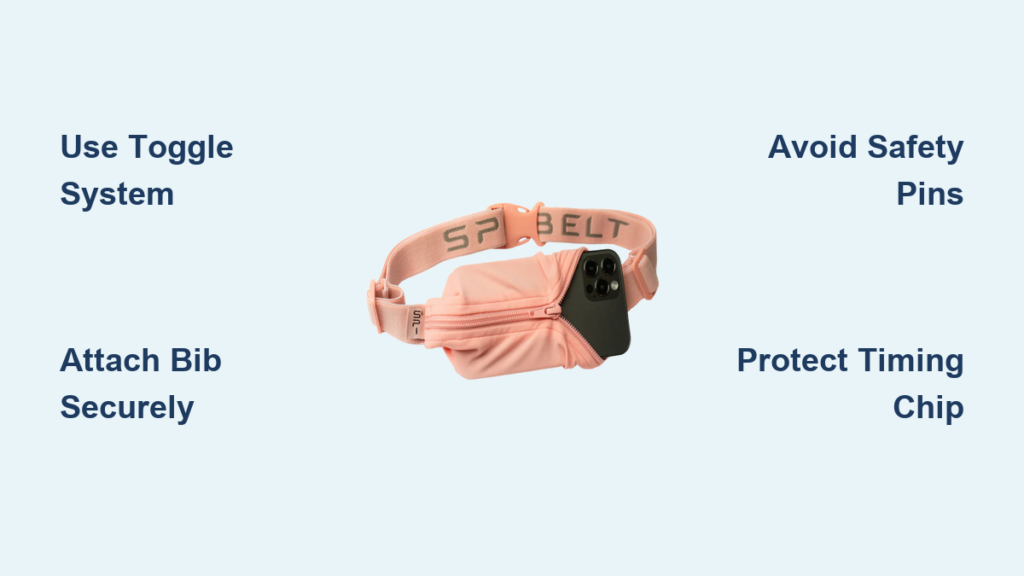
Top belts use compression-fit elastic or adaptive neoprene that expands only to fit contents, then locks them in place. This prevents the “slap” against your back. Brands like FlipBelt and SPIbelt use patented designs that stay stable even at speed.
Demand Sweat Protection
Sweat destroys electronics and turns gels into mush. Choose belts with waterproof inner linings or moisture-blocking barriers. This keeps your phone dry and nutrition usable. Neoprene and TPU-coated fabrics offer the best protection.
Prioritize Breathable Materials
In hot weather, non-breathable belts trap heat and cause chafing. Look for mesh-backed designs or ventilated panels that allow airflow. This reduces sweat buildup and keeps your core cooler, enhancing comfort on long summer runs.
Know the Limitations
Not for Ultra-Distance or Heavy Loads
Running belts max out at 3L capacity and 24 oz of water. They can’t carry multiple layers, large first-aid kits, or hydration bladders. For ultramarathons or remote trails, a running vest is better. Belts are for self-sufficiency over short-to-mid distances, not full expedition gear.
Less Stable on Technical Terrain
On steep descents or rocky trails, waist belts can shift or bounce more than vests. Without chest straps or back support, they rely solely on waist grip. If you are trail running over 15 miles, consider upgrading to a vest for better load distribution.
Heat Buildup in Extreme Conditions
Even breathable belts can trap heat around the waist in high temps. Some users report warm bottles and sweaty skin. To mitigate, freeze your soft flask before runs or choose belts with insulated bottle sleeves. Light-colored materials also reflect heat better than dark ones.
Frequently Asked Questions About Running Belts
What Is the Main Purpose of a Running Belt?
The main purpose of a running belt is to securely carry essentials like phones, keys, gels, and hydration against your body during runs. It eliminates bounce, prevents item loss, and frees your hands for natural movement, replacing inadequate clothing pockets.
How Much Water Can a Running Belt Hold?
Most running belts hold between 16 and 24 ounces of fluid in a single soft flask or bottle. This supports approximately 40 to 60 minutes of intense hydration needs, making belts suitable for runs up to one hour without refill.
Are Running Belts Better Than Handheld Bottles?
Running belts are better than handheld bottles for most runners because they free both hands, preserve natural arm swing, and eliminate grip fatigue. They also allow you to carry additional items like keys, gels, and phones simultaneously.
Can I Use a Running Belt for Trail Running?
You can use a running belt for trail running on shorter routes under 15 miles with moderate terrain. For technical descents, steep elevation, or longer distances, a running vest offers better stability and load distribution.
What Features Matter Most in a Running Belt?
The most important features in a running belt are no-bounce compression design, sweat-proof inner lining, breathable materials, and secure pocket organization. Reflective accents are also valuable for nighttime visibility.
How Should a Running Belt Fit?
A running belt should fit snugly at your natural waist without feeling restrictive. It should not twist, ride up, or bounce during movement. Test the fit during training runs before using it on race day.
Key Takeaways on Running Belt Purpose
The running belt purpose extends far beyond simply holding your phone. It serves as a performance tool that enhances safety, comfort, and efficiency across every type of run. Whether you are a beginner, a marathoner, a traveler, or managing a medical need, the right belt removes distractions and keeps you moving freely.
Choose your belt based on distance, environment, and gear needs. Prioritize fit, sweat protection, and no-bounce design over flashy features. Test it early in training, wear it often, and experience the difference a simple strap can make. Start by identifying your three core needs: what you carry, how far you go, and where you run. Then match those needs to the belt specifications outlined above, and you will find a piece of gear that transforms every mile.