A bouncing belt can ruin an otherwise perfect run. If you’re struggling with lululemon running belt sizing, the problem usually comes down to inaccurate measurement or choosing the wrong model for your gear load. Many runners grab a belt based on waist size alone, then wonder why their phone shifts on every stride or why the fit feels off after a mile.
This guide breaks down exactly how Lululemon’s two main running belts fit, how to measure correctly, and which model matches your training style. You’ll learn how to handle between-size situations, what to expect with different phone cases, and how to keep your belt performing like new for hundreds of miles.
How Lululemon Running Belt Sizing Works

Lululemon uses combined sizing across both the Fast and Free Running Belt and the Fast and Free Distance Running Belt. Instead of single letters, each belt comes in three adjustable ranges designed to fit a wide variety of waist measurements.
The Three Size Ranges
Both models share identical waist ranges, so your body measurements determine your starting point regardless of which belt you choose.
| Size | Waist (Inches) | Waist (cm) |
|---|---|---|
| XS/S | 24″ – 27.5″ | 60.9 – 69.9 cm |
| S/M | 28″ – 34.5″ | 71.1 – 87.6 cm |
| L/XL | 35″ – 43″ | 89.4 – 109.2 cm |
Note: Some product listings show L/XL starting at 32.5″, but the metric range stays consistent at 89.4 cm to 109.2 cm. Check the label or try in-store if you’re near the lower edge.
Measure Your Waist the Right Way
Accurate measurement is the foundation of proper lululemon running belt sizing. A half-inch error can mean the difference between a secure fit and constant bouncing.
Step-by-Step Measuring Process
- Use a soft measuring tape (not a rigid ruler).
- Stand relaxed with your stomach in its natural position.
- Locate the narrowest point above your hips where you’d naturally wear the belt.
- Wrap the tape snugly without pulling tight.
- Record the measurement in inches and centimeters.
Pro Tip: Measure over your running base layer if you train in cold weather. Wearing the belt over bulky clothing in winter requires extra room.
What to Do If You’re Between Sizes
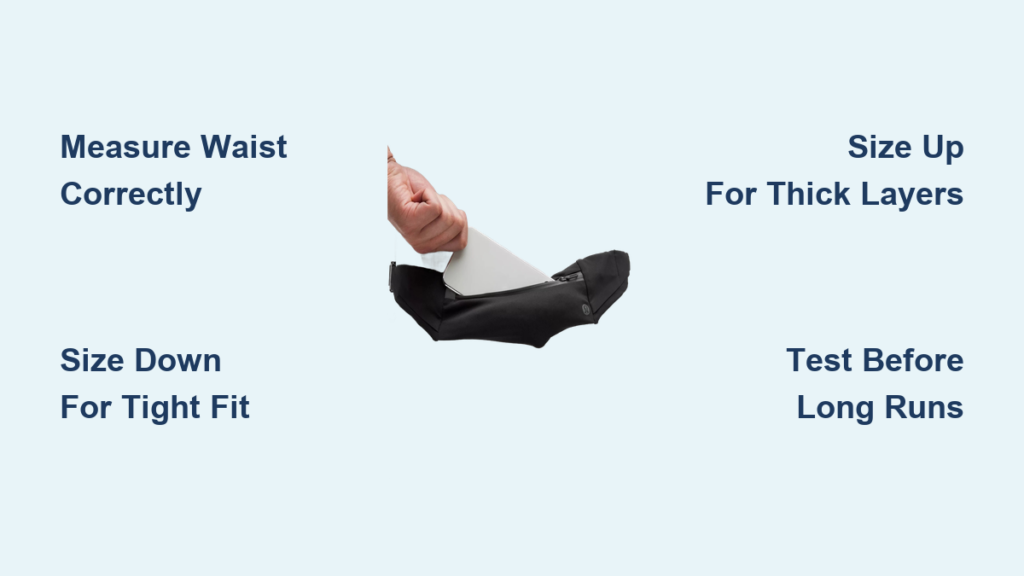
Falling between two size brackets happens often. Your decision should reflect how you plan to use the belt.
Size Down For These Situations
- You prefer a compression-style fit
- You carry a large phone with a thick case
- You load the Distance belt with gels and gear
- You want maximum stability for sprints or trail runs
Size Up For These Situations
- You have sensitive skin or a low waist-to-hip ratio
- You wear the belt over thick winter layers
- You prefer breathing room over a tight feel
- You’re on the upper edge of your bracket
A tighter fit prevents shifting, but never restrict breathing. The quick-release buckle lets you fine-tune within the size range once the belt is on.
Fast and Free vs. Distance Running Belt
Both belts use the same sizing system, but they serve different runners. Choosing between them depends on run duration and gear load.
Fast and Free Running Belt: Minimalist Daily Option
- Price: $44 USD
- Best For: 5Ks, 10Ks, daily runs under one hour
- Storage: One main pocket for phone, keys, and one or two small items
- Weight: Ultra-light, low-profile design
- User Rating: 3.9 out of 5 stars (1,052 reviews)
This belt feels like you’re wearing nothing at all. It’s ideal for casual joggers, iPhone users with slim cases, and budget-conscious runners who only need to carry essentials.
Fast and Free Distance Running Belt: Endurance Storage
- Price: $64 USD
- Best For: Half-marathons, marathons, long trail runs
- Storage: Multiple compartments for gels, cards, keys, phone
- Weight: Slightly heavier but still lightweight for its capacity
- User Rating: 2.5 out of 5 stars (24 reviews)
The Distance belt keeps nutrition separate from electronics. Marathon trainees, runners needing four or more gels, and those with rugged phone cases benefit most from this model’s organized layout.
Note: The lower rating reflects a smaller review pool and niche use cases. The higher price and bulkier profile aren’t necessary for short runs.
Phone Fit and Case Compatibility

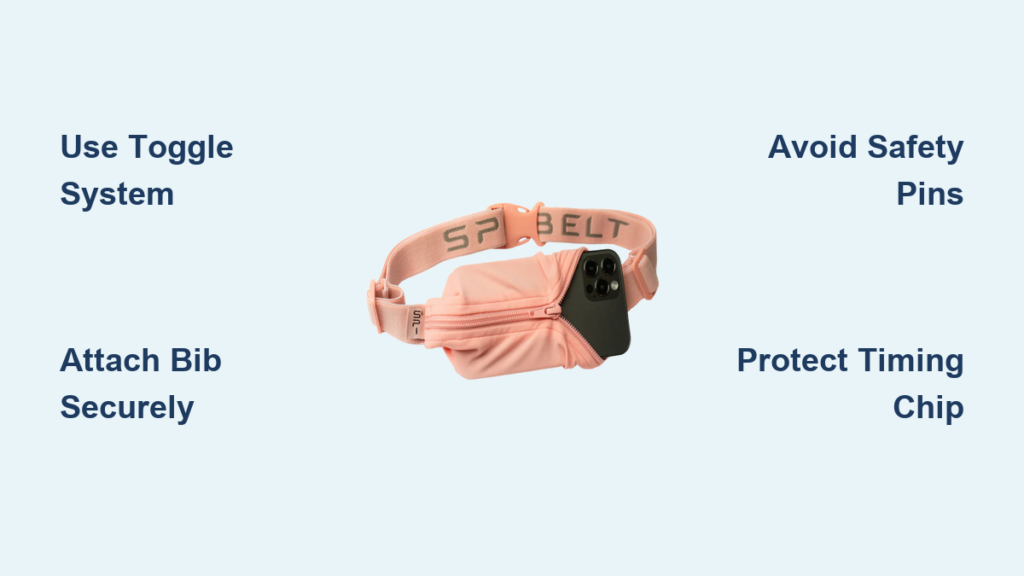
A common question about lululemon running belt sizing is whether a phone will actually fit. Both models are designed for modern smartphones, including iPhone Pro Max.
Case Type Comparison
| Case Type | Fast and Free Belt | Distance Belt |
|---|---|---|
| Slim/Standard Case | Fits easily | Fits easily |
| Thick/Rugged Case | May feel tight | Slightly more forgiving |
| No Case | Plenty of room | Extra space, still secure |
The snug fit is intentional. It prevents bouncing during sprints. Don’t size up to make room for a bulky case, because that creates instability. Consider removing a thick case or choosing the Distance model instead.
Visual Cue: Your phone should slide in with slight resistance and stay put during jumping jacks or short sprints.
Why the No-Bounce Fit Works
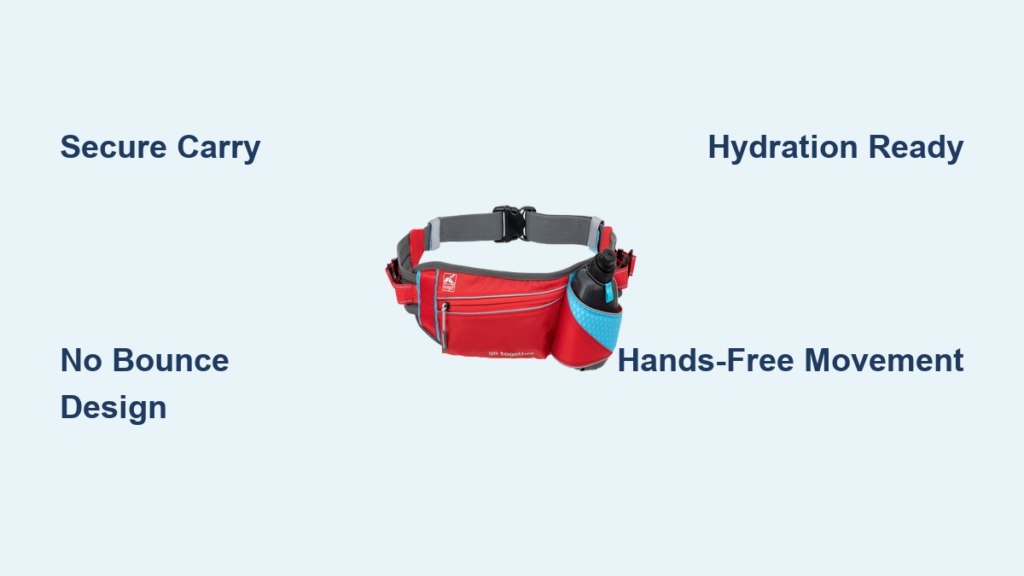
Lululemon markets both belts as “no bounce,” but the promise depends on proper sizing and adjustment.
The Engineering Behind the Fit
- Four-way stretch fabric made of 84% nylon and 16% Lycra Elastane provides elasticity and recovery
- Quick-release buckle allows fine-tuning of tightness
- Snug-to-skin design keeps the belt flush against your body
Fix Bouncing in Three Steps
- Tighten the strap until the belt doesn’t shift when you twist your torso.
- Wear it high on the hips or low on the waist, whichever feels more stable.
- Balance the load. Don’t overstuff one side with gels or phone.
Pro Tip: Test the fit before a long run. Do jumping jacks, lunges, and a 30-second sprint to check for movement.
Material and Comfort Comparison
Both belts use high-performance fabrics, but the Distance model adds technical layers for endurance comfort.
Fast and Free Running Belt Materials
- Body: 84% nylon, 16% Lycra Elastane
- Feel: Smooth, stretchy, compressive
- Breathability: Moderate, relies on fabric wicking
- Seams: Minimal to prevent chafing
Fast and Free Distance Running Belt Materials
- Body: 84% nylon, 16% Lycra Elastane
- Front Panel: 81% recycled polyester, 19% elastane mesh
- Back Lining: 100% nylon for smooth skin contact
- Back Mesh: 100% recycled polyester for enhanced airflow
The extra mesh in the Distance belt improves breathability during long efforts. It reduces sweat buildup on your lower back when you’re running for two or more hours. Both belts include reflective details for visibility in low light.
Care Instructions to Protect the Fit
The elastic performance depends on proper care. Heat and harsh detergents can ruin the no-bounce fit over time.
Washing Protocol
- Machine wash cold on a gentle cycle
- Wash separately to avoid snagging
- Never use bleach, as it degrades elastic fibers
Drying Protocol
- Lay flat to dry (recommended for protecting elastane)
- Tumble dry low only if necessary
- Never iron, since heat melts synthetic fibers
- Do not dry clean, because chemicals harm technical fabrics
Warning: High heat weakens Lycra over time, leading to sagging and bounce. Air drying is always the safer choice.
Pick the Right Belt for Your Running Goals
Your ideal belt depends on training volume and gear needs, not just waist size.
Choose the Fast and Free Belt If You
- Run 5K to 10K distances
- Carry only a phone and keys
- Want the lightest possible weight
- Prefer a $44 price point
Most runners fall into the S/M (28″–34.5″) or L/XL (35″–43″) range. The XS/S option suits petite frames or those who prefer wearing the belt higher on the torso.
Choose the Distance Belt If You
- Train for half-marathons or marathons
- Carry three or more gels, cards, cash, and a phone
- Want organized, secure storage
- Run for two or more hours at a time
The L/XL size offers the most adjustability for fully loaded situations. Sizing down may be needed if you’re on the small end of S/M but carrying heavy gear.
Final Fit Checklist Before You Buy
Run through these questions before purchasing:
- Is your waist within the listed size range?
- Are your runs long enough to require extra storage?
- Do you use a thick phone case?
- Do you prefer minimalism or organization?
- Can you commit to air drying the belt?
Remember that sizing isn’t only about circumference. It’s about load management. A fully packed Distance belt needs a tighter fit than an empty one.
Frequently Asked Questions About Lululemon Running Belt Sizing
How do I know which Lululemon running belt size to choose?
Measure your waist at the narrowest point above your hips using a soft tape. Match that measurement to the size chart: XS/S fits 24″–27.5″, S/M fits 28″–34.5″, and L/XL fits 35″–43″. Size down for a compression fit or size up for breathing room.
Does the Lululemon running belt fit an iPhone Pro Max?
Yes. Both the Fast and Free and Distance models are designed to fit modern smartphones, including iPhone Pro Max. A slim case fits easily. Thick or rugged cases may feel tight in the standard belt, so consider the Distance model for extra room.
What if my waist falls between two Lululemon belt sizes?
Size down if you carry heavy loads or prefer a tight fit. Size up if you wear the belt over thick layers or have sensitive skin. The quick-release buckle lets you adjust within the range for a personalized fit.
Is the Fast and Free Running Belt the same size as the Distance Running Belt?
Yes. Both models share identical waist measurement ranges across XS/S, S/M, and L/XL. The difference lies in storage capacity, materials, and price, not in physical sizing.
Can I machine wash my Lululemon running belt?
Yes. Machine wash cold on a gentle cycle and wash separately. Skip bleach entirely. Lay flat to dry to preserve the elastic fibers, and never iron or dry clean the belt.
Why does my Lululemon running belt bounce during runs?
Bouncing usually means the belt is too loose or you’re wearing it in the wrong position. Tighten the strap until it doesn’t shift when you twist, place it high on the hips or low on the waist, and balance the load across pockets.
Key Takeaways for Choosing Your Lululemon Running Belt
Accurate waist measurement is the foundation of proper lululemon running belt sizing, but load matters just as much as circumference. The Fast and Free Running Belt delivers excellent value at $44 for daily runners who carry only a phone and keys. The Distance model at $64 serves endurance athletes who need organized storage for gels, cards, and gear over long efforts.
Both belts use the same waist ranges (XS/S, S/M, L/XL) and the same four-way stretch fabric for a no-bounce promise. Measure your waist, assess your gear needs, and choose the belt that matches your miles. Start by measuring your waist today and comparing your number to the size chart above.