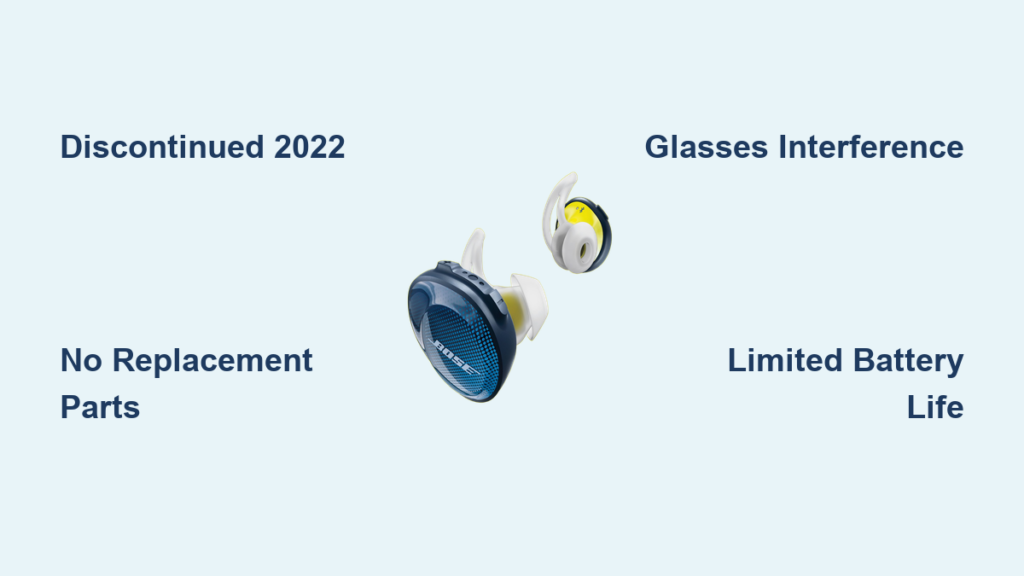
If you are searching for the Bose Sport Earbuds discontinued status, you have come to the right place. These distinctive wireless earbuds, designed to deliver audio without blocking the ear canal, have been officially removed from Bose’s product lineup. Confirmed by company spokesperson Joanne Berthiaume in The Verge, the product was phased out as of October 25, 2022, after less than two years on the market. The final units were sold as clearance or final sale on Bose’s official website, marking the end of a bold but short-lived experiment in open-ear audio.
Despite their innovative design and premium branding, the earbuds failed to gain lasting traction. Now that they have vanished from Bose’s active lineup, users and potential buyers want to know why they were pulled, what alternatives exist, and whether replacement parts or support are still available. This guide breaks down everything you need to know about the Bose Sport Earbuds discontinued situation, from design flaws to viable replacements, so you can make informed decisions about your next audio gear.
Discontinuation Confirmed: Timeline and Status
Bose Removed the Product in Late 2022
Bose officially discontinued the Sport Open Earbuds on October 25, 2022, less than two years after their early 2021 launch. The company confirmed the move through a spokesperson, stating the remaining stock was marked as final sale with no plans for restock or re-release. Unlike typical product cycles, this shutdown was abrupt and definitive, signaling a strategic exit rather than a temporary pause.
Why Bose Pulled the Plug
The discontinuation reflects a broader shift in Bose’s audio strategy. The Sport Open Earbuds occupied a narrow niche, specifically open-ear listening with traditional drivers, and faced stiff competition both externally from Shokz and internally from Bose Frames. With limited versatility and hardware constraints, the product failed to justify ongoing investment, especially as noise-cancelling earbuds with transparency modes began offering similar situational awareness benefits.
Design: How the Earbuds Worked
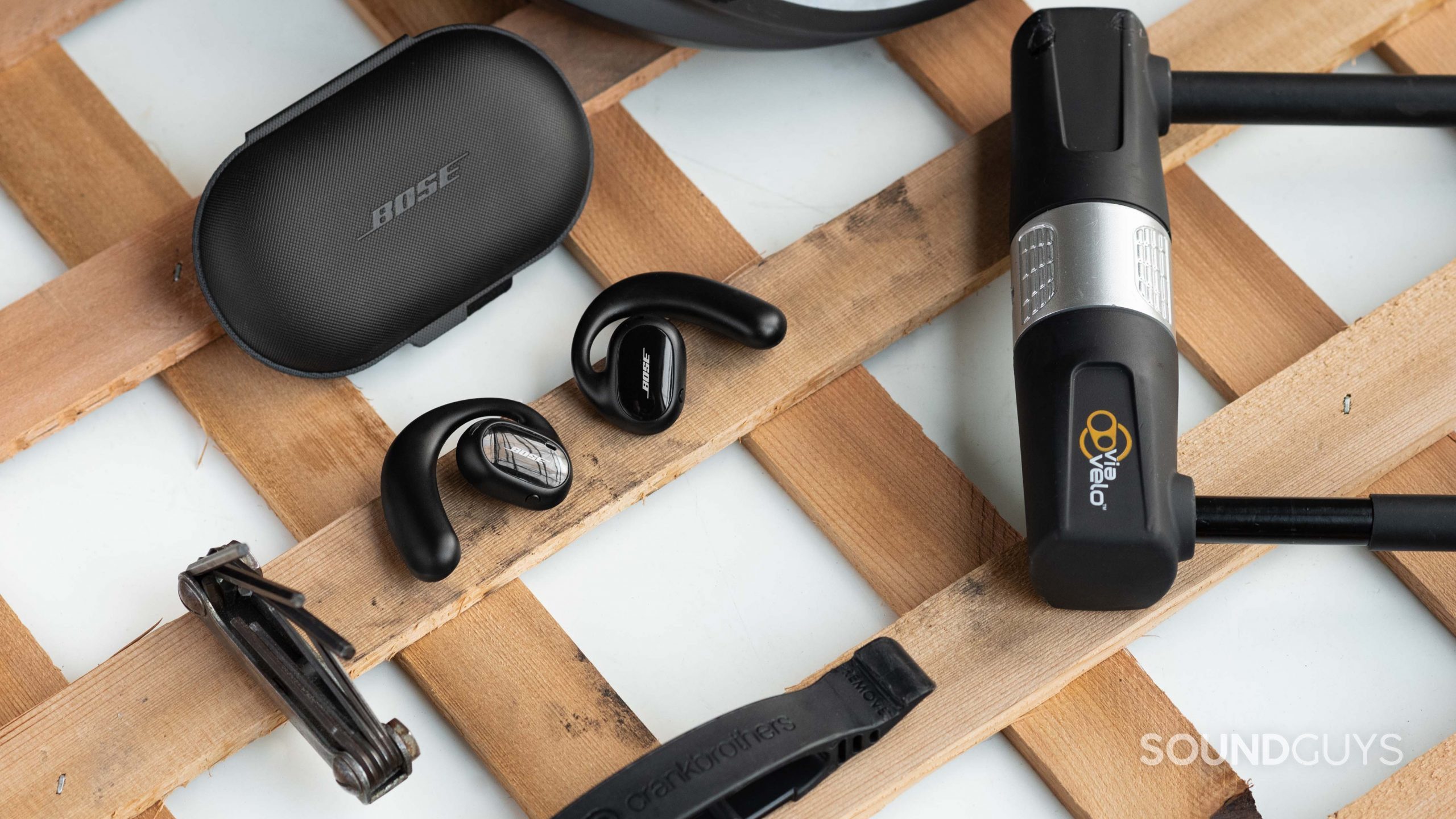
C-Shaped Fit That Sits on Top of the Ear
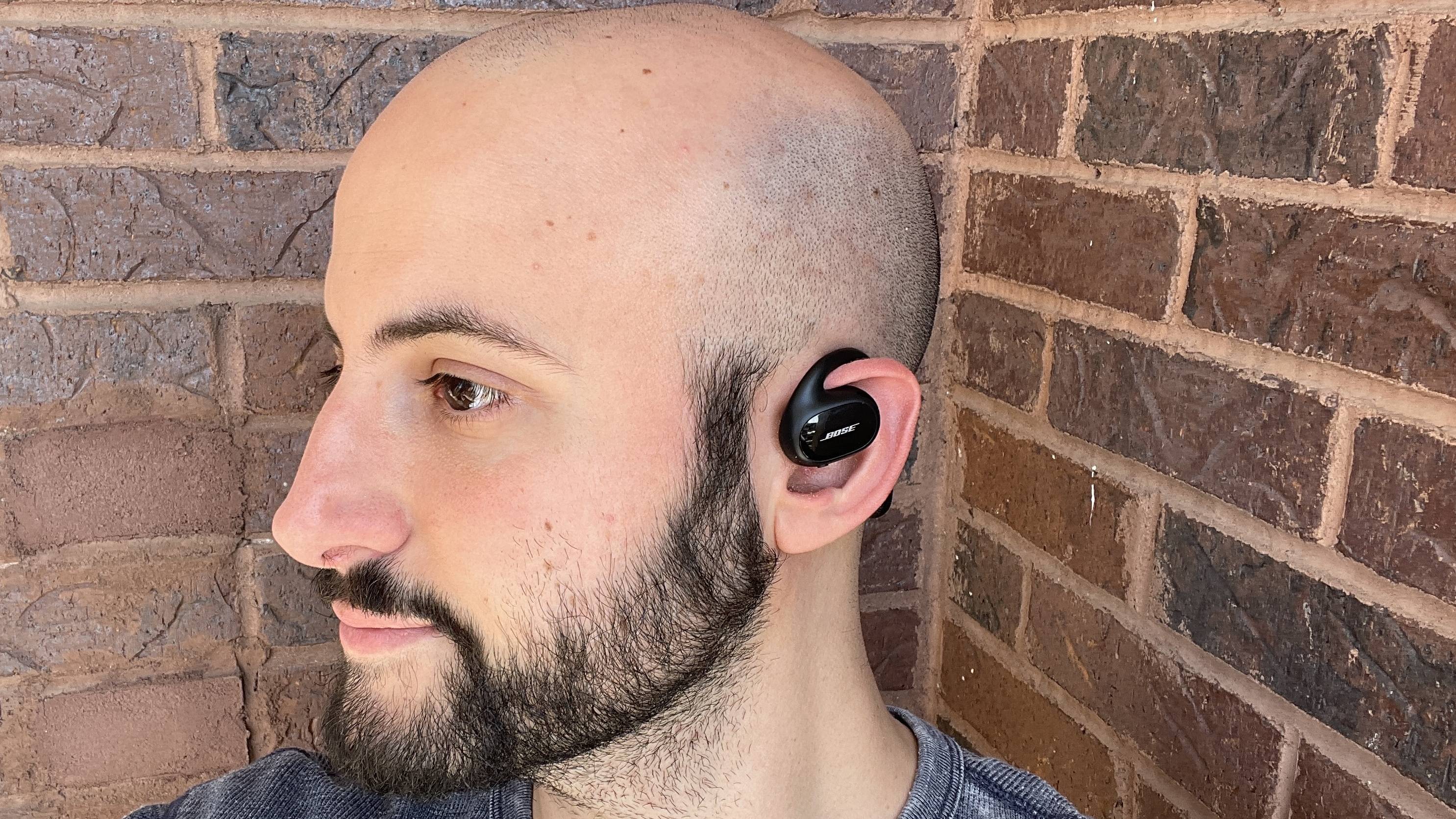
The Bose Sport Open Earbuds used a C-shaped hook design that wrapped around the back of the ear, resting securely on top without entering the ear canal. This allowed for a stable, comfortable fit during physical activity while keeping the ear completely open. The goal was to combine the freedom of ambient sound with high-quality audio, making them ideal for runners, cyclists, or anyone needing environmental awareness.
No Ear Canal Insertion or Seal
Unlike traditional in-ear models, these earbuds do not seal or block the ear canal. This design choice enabled full situational awareness but came at the cost of sound isolation. In loud environments like busy streets or windy conditions, external noise easily overpowered the audio, forcing users to crank up volume just to hear their music.
Audio Technology: Not Bone Conduction
Traditional Drivers Aimed at the Ear Opening
Despite occupying the same market space as Shokz bone conduction headphones, the Bose Sport Open Earbuds do not use bone conduction technology. Instead, they rely on traditional dynamic drivers engineered to project sound directly into the ear canal through air conduction. Bose emphasized this distinction in marketing materials, positioning the product as a more natural-sounding alternative to bone conduction, which some users find hollow or tinny.
Minimized Sound Leakage by Design
Bose invested heavily in minimizing sound bleed, which is audio that escapes and is heard by bystanders. While not completely silent to others, the earbuds were designed with directional acoustics to focus sound toward the ear. In quiet settings, leakage was minimal, but in close quarters or at higher volumes, people nearby could still hear faint audio.
Performance: Strengths and Limitations
Total Situational Awareness for Safety
The biggest advantage is uninterrupted ambient sound. Because your ears stay open, you can hear traffic, conversations, sirens, or approaching vehicles while listening to music. This made the earbuds a strong choice for outdoor athletes who prioritize safety over immersive audio. Runners, joggers, and bike commuters found them particularly useful in urban environments.
Poor Performance in Noisy Environments
However, that same openness becomes a major drawback in loud settings. Without noise isolation, the earbuds struggle to compete with background noise. Wind, traffic, and city sounds easily drown out music, making the listening experience inconsistent. Users often had to increase volume to unsafe levels just to hear clearly, defeating the purpose of situational awareness.
Fit Challenges and Compatibility
Secure Fit for Most, But Not All
The C-shaped hook provided a secure, stable fit during vigorous movement. Many users reported the earbuds stayed in place during runs, gym sessions, and even high-intensity interval training. The lightweight design, weighing under 10 grams per earbud, contributed to long-term comfort.
Glasses Interference Issue
One major flaw is incompatibility with eyeglasses. The earhook design frequently clashed with the temple arms of glasses, causing discomfort, pressure points, or even dislodging the earbuds. This significantly narrowed the user base, especially among professionals or athletes who rely on corrective lenses. Bose never released an official workaround or alternative ear tip design.
Charging and Case Limitations

Proprietary Charging Cradle Only
The earbuds required a dedicated charging cradle, with no USB-C or direct charging ports on the earbuds themselves. This meant you could not charge them on the go without carrying the dock, reducing portability. If the cradle was lost or damaged, replacement options were limited and expensive.
Case Does Not Recharge the Earbuds
Unlike most wireless earbuds, the carrying case offers no battery backup. It functions purely as a protective shell. With no extra charges stored, total battery life was capped at a single charge, typically around 6 hours, though exact figures were not officially confirmed. This lack of extended power severely limited their appeal for travel or long workouts.
Pricing and Market Position
Launched at $199.99, Cleared at $119
The Bose Sport Open Earbuds debuted at $199.99, positioning them as a premium open-ear audio solution. However, during the clearance phase, the price dropped to $119.99, often listed as $119, reflecting reduced demand and the company’s intent to clear inventory quickly. Despite the discount, many consumers hesitated due to the product’s limitations.
Competed With Shokz and Bose’s Own Frames
Bose entered a space already dominated by Shokz (formerly AfterShokz), the leader in bone conduction headsets. While Bose offered richer audio quality, Shokz had a longer track record, better battery life, and wider compatibility. Even more damaging was internal competition with the Bose Frames Tempo, audio sunglasses that also keep ears open and serve a nearly identical purpose for outdoor listening. This overlap likely split marketing focus and customer interest.
Why Bose Discontinued the Model
Niche Appeal With Limited Use Cases
The core issue was lack of versatility. The earbuds excelled in one specific scenario, namely safe outdoor listening, but underperformed elsewhere. Indoors, users missed the immersion of sealed earbuds, while outdoors they battled noise interference. This narrow utility made them a hard sell beyond a small segment of fitness enthusiasts.
Hardware Constraints Reduced Appeal
The non-rechargeable case and proprietary charger were major drawbacks in a market where convenience and portability are king. Competitors like Shokz offer 8+ hours of battery and charging cases, giving them a clear edge. Bose’s design choices felt outdated and inconvenient by comparison.
Bose Shifted Focus to Noise-Cancelling Tech
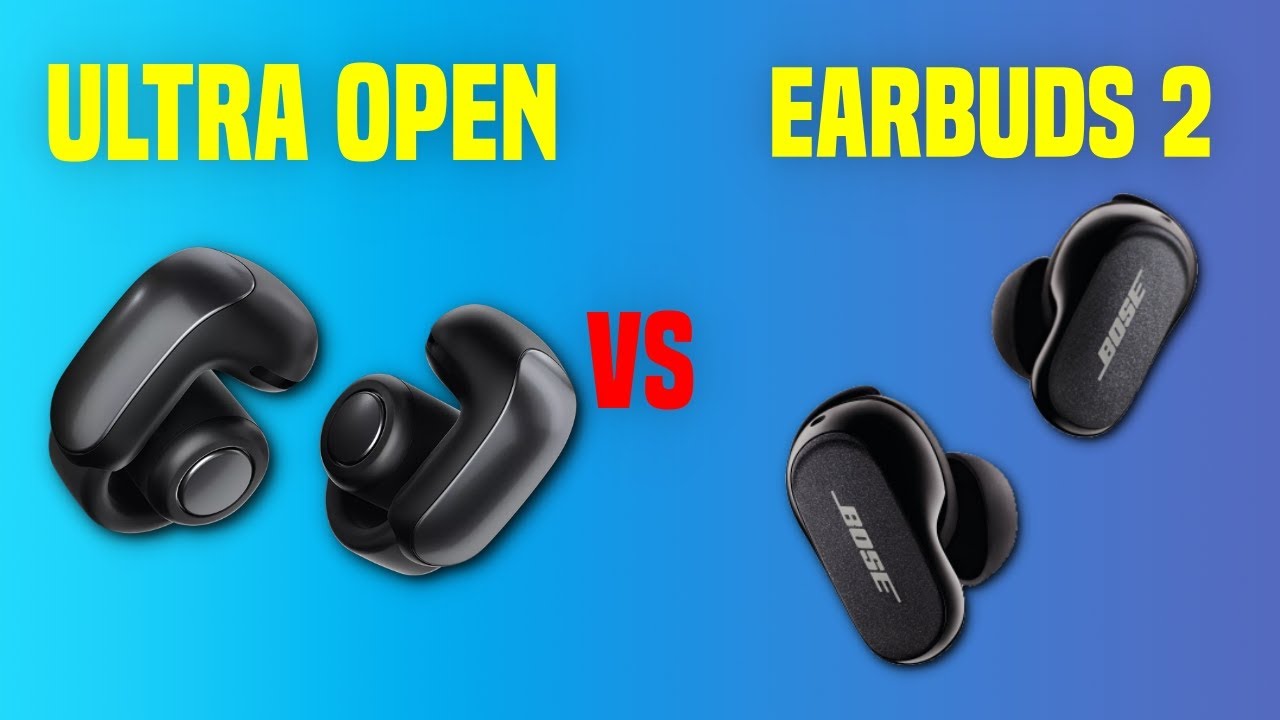
Bose is now doubling down on noise-cancelling earbuds, particularly the QuietComfort Earbuds 2, which feature adjustable awareness modes. These allow users to toggle between full noise cancellation and ambient sound transparency, offering the best of both worlds. As this technology improved, the need for a dedicated open-ear device diminished.
Internal Product Overlap
The existence of Bose Frames created redundancy. Both products target users who want audio without ear blockage. Instead of maintaining two similar solutions, Bose chose to focus on the Frames, which integrate seamlessly with sunglasses and offer a more futuristic form factor.
Alternatives to Consider

Shokz OpenRun Pro: Best Bone Conduction Option
For users who valued situational awareness, the Shokz OpenRun Pro is the top alternative. It uses bone conduction to transmit sound through the cheekbones, leaving ears completely open. With up to 10 hours of battery life, IP55 sweat resistance, and Bluetooth 5.1, it outperforms the Bose model in nearly every technical category. Priced around $180, it is also more durable and travel-friendly.
Cleer Audio Arc: Direct Design Competitor
The Cleer Audio Arc is the closest direct competitor, using air-conducted open-ear audio like the Bose model. It offers spatial sound, up to 8 hours of battery, and a sleek ergonomic design that works better with glasses. At $179, it fills the gap left by Bose with improved comfort and modern features.
Bose Frames Tempo: Bose’s Own Replacement
If you liked the idea of open-ear audio from Bose, the Bose Frames Tempo are the natural successor. These audio sunglasses deliver rich, directional sound while keeping ears open. Designed for athletes, they include polarized lenses, IPX4 water resistance, and 8-hour battery life. At $299, they are pricier but offer a more integrated experience.
Support and Repairs After Discontinuation
Limited Warranty Coverage Still Applies
Bose continues to honor the original limited warranty for existing owners. If your earbuds fail within the warranty period, typically 1 year from purchase, you may still be eligible for repair or replacement. However, out-of-warranty repairs are no longer available, and replacement parts like charging cradles are scarce.
No Software Updates or App Support
The Bose Music app still recognizes the device, but no new firmware updates are being released. App functionality remains frozen, with no bug fixes or feature enhancements expected. Users should avoid resetting the earbuds unless necessary, as re-pairing may become more difficult over time.
Should You Buy Used?
Risks of Buying Secondhand
While you might find used Bose Sport Open Earbuds on eBay, Craigslist, or Facebook Marketplace, proceed with caution. Key risks include:
- Degraded battery life, which is common in older wireless devices
- Missing or damaged charging cradle
- No warranty or support
- Potential fit issues if ear tips are worn
If you do buy used, test the audio, Bluetooth connection, and charging function immediately.
Where to Find Genuine Units
Look for listings that include:
- Original charging cradle
- All accessories such as cables and ear tips
- Proof of purchase or warranty status
- Clear photos of the earbuds and case
Avoid sellers who cannot provide these details.
Frequently Asked Questions About Bose Sport Earbuds Discontinuation
When Were the Bose Sport Earbuds Discontinued?
Bose discontinued the Sport Open Earbuds on October 25, 2022, less than two years after their early 2021 launch. The remaining inventory was sold as final sale on the official Bose website.
Why Did Bose Discontinue the Sport Open Earbuds?
The earbuds were discontinued due to niche appeal, hardware limitations, and internal competition. Bose shifted its focus toward noise-cancelling earbuds with transparency modes, making dedicated open-ear hardware less essential.
Can I Still Get Support for My Discontinued Bose Sport Earbuds?
Bose continues to honor the original limited warranty for existing owners, typically for 1 year from purchase. However, out-of-warranty repairs and replacement parts are no longer available.
What Are the Best Alternatives to the Bose Sport Open Earbuds?
Top alternatives include the Shokz OpenRun Pro for bone conduction, the Cleer Audio Arc for similar air-conducted open-ear audio, and the Bose Frames Tempo for an integrated audio sunglasses experience.
Is It Safe to Buy Used Bose Sport Open Earbuds?
Buying used carries risks such as degraded battery, missing charging cradles, and no warranty. If you purchase secondhand, test all functions immediately and ensure the original accessories are included.
Did Bose Release a Direct Replacement for the Sport Open Earbuds?
Bose did not release a direct replacement, but the Bose Frames Tempo audio sunglasses serve a similar open-ear purpose. The company has shifted focus to the QuietComfort Earbuds 2 with adjustable awareness modes.
Key Takeaways on the Bose Sport Earbuds Discontinuation
The Bose Sport Open Earbuds were innovative but flawed. They solved one problem, namely situational awareness, while introducing new ones like poor noise performance, limited battery, and glasses incompatibility. In a fast-evolving audio market, these compromises were too great. With better alternatives available and Bose’s strategic pivot toward noise-cancelling technology, the product became unsustainable.
While it is a loss for fans of open-ear listening, the discontinuation reflects current market realities. Consumers increasingly prefer flexible, multi-mode devices over single-purpose gadgets. The rise of transparency modes in premium earbuds has made dedicated open-ear hardware less essential for the average user.
For current buyers, the future lies in adaptable audio technology that balances immersion and awareness. Whether through Shokz, Cleer, or Bose’s own Frames, the mission of safe, open-ear listening lives on, just in smarter and more versatile forms. If you own a pair, check your warranty status today and explore modern alternatives that better match today’s audio expectations.