You’ve probably seen someone wearing a Fitbit and wondered how it knows so much about their body. From tracking heartbeats to detecting stress, Fitbit devices use a combination of hardware and smart algorithms to turn invisible biological signals into actionable health data. At the core of this technology are sensors that measure everything from blood flow to sweat levels, all working together in real time.
The key to understanding how Fitbit sensors work lies in photoplethysmography for heart rate, 3D motion detection for steps, and electrodermal activity sensing for stress. These technologies collect raw data, but it’s Fitbit’s proprietary software that transforms light reflections, vibrations, and temperature shifts into the insights you see on your wrist. Whether you’re curious about why your heart rate spikes during a meeting or how your device knows you’re asleep, the answers come down to precise engineering and machine learning.
Optical Heart Rate Monitoring Explained
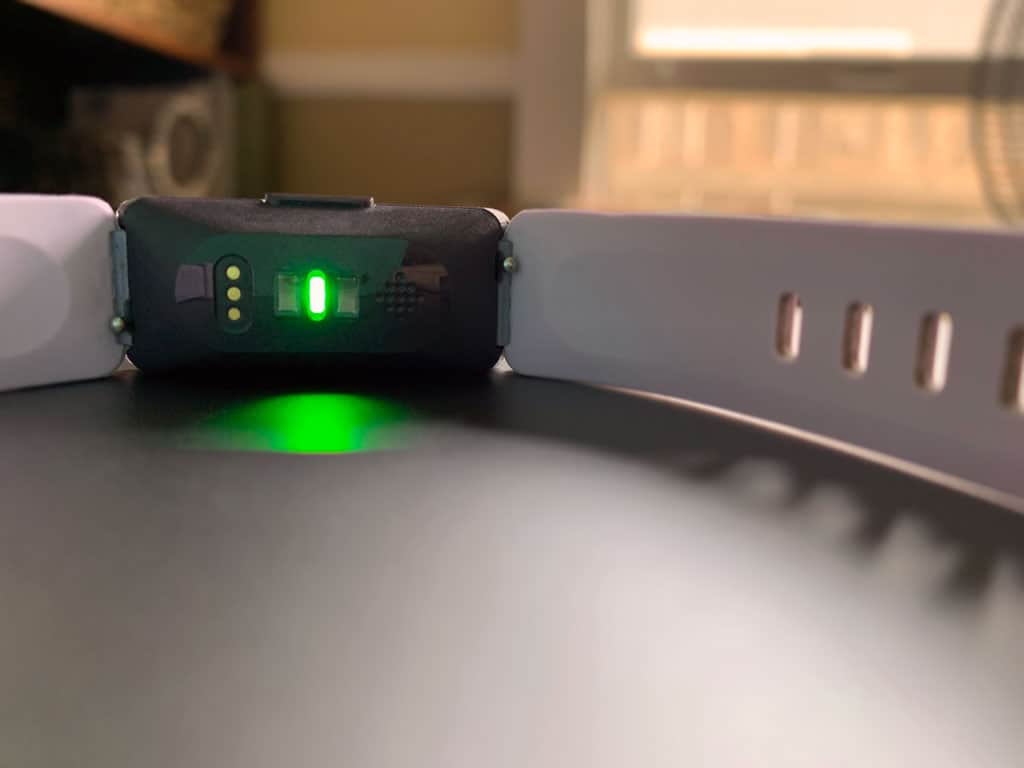
Fitbit’s most recognizable sensor technology is its optical heart rate monitor, which runs nearly continuously on most models. This system doesn’t use electrodes or chest straps. It measures your pulse right from your wrist using light.
Green Light Pulse Detection
Fitbit uses green LED lights paired with photodiodes to detect blood flow changes under your skin. When your heart pumps, more blood fills the capillaries in your wrist, absorbing green light. Between beats, less blood is present, so more light reflects back to the sensor.
The sensor captures these tiny fluctuations and converts them into a beats-per-minute reading. Because hemoglobin absorbs green light more effectively than other colors, this wavelength offers the clearest signal for detecting pulse waves through the skin.
Continuous vs. Workout Mode Tracking
During all-day wear, the sensor checks heart rate periodically to calculate resting heart rate trends and overall cardiovascular health. In workout mode, it increases sampling frequency to provide real-time feedback, helping you stay in fat-burning or cardio zones.
Some Fitbit models also use the same optical array for SpO2 monitoring, measuring blood oxygen saturation by analyzing how light is absorbed during sleep.
Accuracy Tips for Reliable Readings
For best results, wear the device snugly about one finger-width above the wrist bone. Keep the sensor clean since sweat, dirt, or lotions can block light. Avoid wearing it too loose, especially during exercise, as movement gaps reduce signal quality.
3D Motion Sensing and Step Detection

Every Fitbit contains a 3-axis accelerometer, a small chip that detects movement in three dimensions. This sensor forms the foundation of step counting, distance estimation, and activity classification.
How Steps Are Counted
Raw motion data is processed through Fitbit’s algorithm, which filters out non-step movements and identifies rhythmic patterns consistent with walking or running. The system looks for a specific impact threshold, a jolt strong enough to likely come from a foot hitting the ground.
Once confirmed, each step is logged. Over time, the device estimates stride length using your height and pace, then multiplies it by step count to calculate distance traveled.
Common Step-Count Errors
Even advanced algorithms make mistakes. Walking on soft surfaces like carpet may not generate enough vibration to trigger detection. Bumpy car rides or hand gestures can mimic step patterns and add phantom steps.
Fitbit minimizes errors by analyzing motion context, but some inaccuracies remain unavoidable.
Activity Recognition and SmartTrack
Mid-tier and premium models feature SmartTrack, which automatically recognizes certain exercises after about 10 minutes of consistent motion. You don’t need to start a workout manually. Fitbit detects it and logs duration, heart rate, and calories burned.
However, static activities like weightlifting or yoga aren’t reliably detected because they lack repetitive arm motion.
Electrodermal Activity and Stress Sensing
One of Fitbit’s most advanced features is its ability to detect stress through physiological measurements rather than self-reporting. This is made possible by the electrodermal activity sensor available on the Fitbit Sense series.
Spot Check vs. Continuous EDA
The original Fitbit Sense features sEDA, which allows users to press their palm against the watch face for a 2-minute stress check. It measures micro-sweat levels, which increase during autonomic nervous system activation.
The Sense 2 introduced cEDA, which monitors sweat levels throughout the day without user interaction, enabling passive stress tracking.
Body Response Feature and Stress Detection
Fitbit’s Body Response feature combines electrodermal activity data with heart rate, heart rate variability, and skin temperature. When all three show sudden shifts, it may indicate acute stress, and the device sends a notification.
There’s an important caveat. Stress and excitement look the same physiologically. A job interview and a surprise party both trigger adrenaline. Fitbit relies on user feedback, logging your emotional state after alerts helps refine future predictions.
Personalized Baseline Calibration
Over your first month of use, Fitbit’s machine learning algorithm learns your normal patterns. It adjusts what counts as an abnormal shift based on your typical activity, sleep, and biometrics. This personalization improves detection accuracy over time.
Environmental and Sleep Tracking Sensors

Beyond heart and motion, Fitbit uses environmental and biometric sensors to enhance sleep analysis and daily health insights.
Altimeter for Floors Climbed
Devices like the Fitbit Ultra and Surge include a barometric altimeter that detects changes in atmospheric pressure. This allows the device to estimate elevation gain and track floors climbed, giving a more complete picture of vertical movement.
Skin Temperature Monitoring
Newer Fitbits feature a skin temperature sensor that tracks subtle nightly fluctuations. While it doesn’t give an exact body temperature, it monitors relative changes compared to your personal baseline.
This data feeds into sleep staging, stress detection, and women’s health tracking for menstrual cycle predictions.
SpO2 and Sleep Stage Estimation
During sleep, Fitbit activates its optical sensor to measure blood oxygen variation. Brief dips in oxygen levels can indicate breathing disruptions such as those in sleep apnea.
Combined with heart rate, movement, and temperature data, SpO2 helps refine sleep stage estimates between light, deep, and REM sleep.
How Algorithms Turn Data Into Insights

Sensors collect raw data, but without software, it’s just noise. Fitbit’s real innovation lies in its proprietary algorithms, which convert physical signals into meaningful health metrics.
Calorie Burn Estimation
To estimate calories burned, Fitbit uses accelerometer data for movement intensity, heart rate for cardiac effort, and user inputs including age, weight, height, and sex. These factors feed into a model calibrated against portable gas analysis systems.
Without accurate user data, calorie estimates can be off by 20 to 30 percent.
Machine Learning Behind Stress Detection
The Body Response algorithm was trained using data from controlled stress studies. Participants underwent mock job interviews and surprise math tests while wearing research-grade monitors. Their physiological responses were labeled as stress events.
This labeled dataset taught Fitbit’s machine learning model what real stress looks like across diverse individuals.
Accuracy, Limitations, and Real-World Use

While Fitbit sensors are impressive, they’re not perfect. Understanding their limitations helps you interpret data more realistically.
When Heart Rate Readings Fail
Optical sensors struggle in certain situations. A loose fit creates gaps between sensor and skin reducing light contact. Tattoos or dark skin can absorb light, weakening the signal. During high-intensity interval training, rapid heart rate changes may lag in detection.
For critical heart rate accuracy, consider a chest strap monitor paired via Bluetooth.
Sleep Tracking Pitfalls
Fitbit identifies sleep primarily through lack of movement. If you lie still while reading or watching TV, it may count that time as sleep. Conversely, restless sleepers may appear to wake frequently due to motion.
SpO2 and heart rate help, but without EEG data, sleep staging remains an estimate, not medical-grade.
Activity Blind Spots
Fitbit excels at tracking rhythmic motion but misses weightlifting since there’s little arm swing. Swimming isn’t reliably tracked on most models. Cycling leads to undercounted activity because arms remain still.
Always manually log these workouts for complete data.
Device Design and Connectivity Features
Fitbit’s hardware has evolved from simple clip-ons to full smartwatch-style wearables, each designed for 24/7 use.
From Clip-On to Wristband
Early models like the Fitbit Zip were clip-on devices about 2 inches long, meant to go in pockets or on belts. They used OLED displays and required a USB base station to sync.
Modern devices like the Sense 2 resemble smartwatches with touchscreens, haptic feedback, and Bluetooth Low Energy for direct phone syncing.
Battery and Data Storage
Most clip models last around 3 days on a charge. Wrist-based models vary, with basic trackers lasting 4 to 5 days and smartwatches with GPS lasting 1 to 2 days.
All devices store up to one week of data internally, so missing a sync won’t lose your progress.
Water Resistance and Durability
Newer Fitbits are water-resistant up to 50 meters, safe for showers and rain. However, swimming tracking requires specific models with swim modes. Early clip devices were not waterproof and could be damaged by moisture.
Frequently Asked Questions About Fitbit Sensors
How does Fitbit detect heart rate without a chest strap?
Fitbit uses optical heart rate monitoring with green LED lights and photodiodes. The sensor shines light into your skin and measures how much reflects back. When your heart beats, blood volume in your capillaries changes, absorbing different amounts of light. This data converts to beats per minute.
Can Fitbit sensors measure stress levels?
Yes, Fitbit Sense and Sense 2 models have electrodermal activity sensors that measure micro-sweat levels. Combined with heart rate, heart rate variability, and skin temperature, this creates the Body Response feature that detects stress. However, the device cannot distinguish between stress and excitement without user feedback.
Why does my Fitbit sometimes give inaccurate step counts?
Step counting errors occur when motion doesn’t meet Fitbit’s detection threshold, such as walking on soft carpet. False positives can happen during bumpy car rides or hand gestures that mimic walking patterns. Wearing your device snugly on your wrist improves accuracy.
Do Fitbit sensors work while swimming?
Most Fitbit models are water-resistant and safe for showering, but swimming tracking requires specific models with dedicated swim modes. Standard devices won’t accurately track swimming strokes.
How accurate is Fitbit sleep tracking?
Fitbit sleep tracking uses motion, heart rate, and skin temperature to estimate sleep stages. It’s generally accurate for total sleep time but less precise for sleep staging compared to lab-based polysomnography. Periods of stillness while awake may be counted as sleep.
Key Takeaways for Understanding Fitbit Sensor Technology
Fitbit sensors work by combining optical, motion, and biometric detection with smart algorithms to deliver personalized health insights. The green LED heart rate monitor uses light absorption to track pulses, the 3-axis accelerometer converts movement into steps and distance, and electrodermal activity sensors detect stress through micro-sweat changes.
While not medical devices, Fitbit sensors offer valuable trends in heart rate, activity, sleep, and stress when used correctly. Keep your device snug, clean, and calibrated, and use manual logging to fill detection gaps for activities like weightlifting or cycling. Over time, these tools can help you build healthier habits, one beat, step, and breath at a time.