You glance at your wristwatch still ticking, but how long can you trust it before the power runs out? For millions of watch owners, the battery is easy to forget until the second hand stutters, the display dims, or the time stops altogether. The truth is, a watch battery typically lasts 2 to 3 years, but that number varies widely depending on the watch type, its features, and how you use it.
While basic quartz watches often go 2-3 years between changes, digital models with alarms and backlights may need replacement in just 12-18 months. On the other end of the spectrum, solar-powered watches like Citizen Eco-Drive can run for 10 to 15 years without a battery change. Smartwatches? They do not last a full day without charging, and their internal batteries degrade after about 2 to 3 years.
This guide breaks down exactly how long different watch batteries last, what affects their lifespan, and how to avoid the costly damage a dead battery can cause. Whether you own a simple analog timepiece or a high-tech smartwatch, you will learn when to replace the battery, how to extend its life, and what signs to watch for.
Watch Battery Lifespan by Type

Different watches use different power sources, each with unique lifespans and performance traits. Knowing your watch type helps predict when battery service is due.
Standard Quartz Watches: 2-3 Years
Most analog watches use silver-oxide batteries (like SR626SW), delivering stable voltage and long life. These power basic timekeeping with minimal drain.
- Average lifespan: 2-3 years
- Common models: Casio, Timex, Tissot, Seiko quartz
- Why it ends: Gradual self-discharge, not sudden failure
- Tip: Even if running, replace at 3 years to prevent leakage
These watches are engineered for efficiency. The stepper motor uses tiny bursts of energy once per second, conserving power. But once the battery voltage drops below 1.3V, accuracy suffers and damage risks rise.
Digital and Multifunction Watches: 1-2 Years
Digital displays, alarms, backlights, and chronographs draw more power, shortening battery life.
- Battery types: Silver-oxide (SR) or lithium (CR2016, CR2032)
- Lifespan: 12-18 months, sometimes less
- High-drain features:
- LED backlight (drains 10x more than timekeeping)
- Chronograph use (30-50% faster drain)
- Hourly chime or alarm activation
A Casio G-Shock with frequent light and stopwatch use may need a new battery every year, while light use can stretch life closer to 2 years.
Luxury and High-End Quartz: Up to 5 Years
Premium brands like Longines, Omega, and Bulova use higher-grade silver-oxide cells and optimized circuits.
- Battery: SR920SW or similar, low-drain design
- Lifespan: 4-5 years under normal use
- Why longer?
- Higher capacity cells
- Precision manufacturing
- Minimal feature usage (no backlight in many models)
Even so, check for end-of-life signs after 3 years, especially if the watch has a date function or second-hand sweep.
Solar-Powered Watches: 10-15 Years
Watches like Citizen Eco-Drive, Seiko Solar, and Casio Tough Solar use light to recharge internal lithium cells.
- Battery type: Rechargeable lithium-ion or lithium-polymer
- Lifespan: 10-15 years before replacement
- Power reserve:
- Full charge: 6 months to 2 years in darkness (varies by model)
- Enters sleep mode when light-starved, pausing timekeeping
Pro Tip: Recharge monthly if not worn. Place near a window or under a lamp for 2-4 hours.
These watches rarely need battery service, but when they do, the cost is higher ($50-$100) due to specialized parts.
Kinetic Watches: 10-15 Years
Seiko Kinetic models convert wrist motion into electricity, storing it in a rechargeable cell.
- Lifespan: 10-15 years
- Power reserve: Up to 6 months when fully charged
- Recharging: Wear regularly or shake gently after long storage
If the watch stops from inactivity, wear it for a few days to rebuild charge. No battery replacement is needed until the cell degrades.
Smartwatches: 2-3 Years (Before Degradation)
Apple Watch, Samsung Galaxy Watch, and Wear OS devices use lithium-ion batteries with limited cycle life.
- Daily or weekly charging required
- Battery lifespan: 500 full charge cycles (~2-3 years)
- After 2 years, capacity drops to 80% or less, requiring more frequent charging
Unlike traditional watches, smartwatches do not die at 3 years. They just lose endurance. Battery replacement is possible but often costly ($70-$150).
Watch Battery Types and Performance
The chemistry inside the battery determines voltage, stability, and longevity. Using the wrong type can shorten life or cause damage.
Silver-Oxide: Best for Analog Watches
Most quartz watches use silver-oxide batteries (SR series), prized for stable output and long life.
- Voltage: 1.55V (remains steady until near end)
- Lifespan: 2-5 years
- Common sizes: SR626SW, SR726W, SR920SW
- Identification:
- SR = Silver-oxide
- SW = Standard drain
- W = High drain (for chronographs)
Advantages: Low leakage risk, temperature resistant, consistent timekeeping. Avoid alkaline substitutes. They leak more and degrade faster.
Lithium: For High-Drain and Extreme Conditions
Used in digital watches, GPS devices, and rugged models.
- Voltage: 3.0V (CR2032) or up to 4.4V in custom designs
- Lifespan: 3-5+ years in low-drain uses
- Common types: CR2016, CR2025, CR2032
- Benefits:
- Operates in -40°C to +60°C
- Very low self-discharge (<1% per year)
- High energy density
Ideal for outdoor watches with GPS, altimeters, or Bluetooth.
Alkaline: Avoid in Watches
Rarely used today due to poor performance.
- Voltage: Starts at 1.5V but drops quickly
- Lifespan: 6 months to 1 year
- Biggest risk: Potassium hydroxide leakage. It corrodes movement, destroys circuitry.
Only found in cheap, disposable watches. Never use as a substitute in quality timepieces.
Rechargeable Cells: Solar and Kinetic
These are not traditional batteries. They are sealed lithium units built to last a decade.
- Solar: Recharges with light, lasts 10-15 years
- Kinetic: Recharges with motion, same lifespan
- No user-replaceable cells. Professional service is required.
Warning: Never try to replace these with standard batteries. Permanent damage will occur.
Signs Your Watch Battery Is Dying
Do not wait for total failure. Spot these early warnings to prevent costly damage.
Second Hand Skips Seconds
In analog quartz watches, the second hand jumps 2-5 seconds at a time instead of ticking once per second.
- Cause: Low voltage cannot power full motor step
- Design feature: Built into most quartz movements as an end-of-life (EOL) indicator
- Action: Replace battery within 1-2 months
This is the most reliable early sign. Do not ignore it.
Time Runs Slow or Stops
A dying battery may cause the watch to lose minutes per day, skip hours, or stop and restart randomly. While some time loss suggests mechanical issues, consistent slowing points to low power.
Dim or Flickering Display
Digital watches show clear signs. LCD segments may be missing or faint, the backlight may be dim or unresponsive, and the screen may blank when tilted. These indicate insufficient voltage. Replace the battery immediately.
Functions Fail
Chronograph resets, alarms do not sound, date changes late or not at all. High-drain features fail first and may work intermittently. This is not just inconvenient. It stresses the circuit, increasing failure risk.
Watch Stops Completely
Total stoppage means the battery is dead or nearly so. Critical: Remove the dead battery within days. Alkaline and silver-oxide cells can leak corrosive chemicals that destroy the movement, circuit board, and dial.
Case Back Bulges or Corrosion Appears
A swollen battery can push the case back outward, leak white or green crust around the battery compartment, and corrode metal contacts. If you see this, do not delay. Repair costs can exceed $200 if the movement is damaged.
Factors That Shorten Battery Life
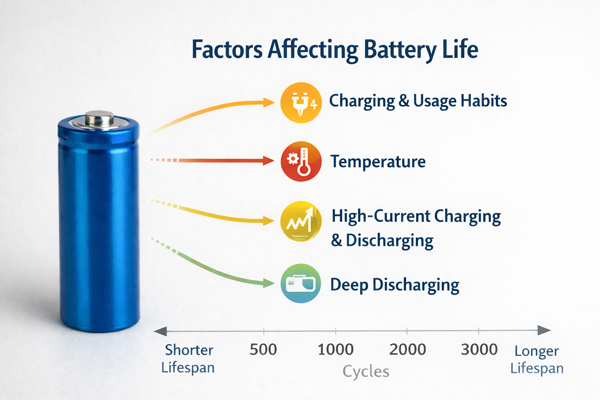
Even with the right battery, several factors can cut its life short.
High-Drain Features
Each added function increases power draw. The backlight uses 10-20x more power than timekeeping. Chronographs add 30-50% drain. Alarms and chimes make short bursts, but frequent use adds up. Bluetooth and GPS in smartwatches are major power consumers.
Pro Tip: Disable notifications and reduce sensor use to extend smartwatch battery life.
Temperature Extremes
Heat and cold both harm battery performance. Cold below 0°C reduces available power. The watch may stop temporarily. Heat above 35°C speeds up chemical reactions, increasing self-discharge. Extreme heat above 60°C can permanently damage the battery and circuit. Avoid leaving watches on dashboards, near radiators, or in saunas.
Poor Maintenance
A dirty or poorly serviced movement draws more power. Dried lubricants increase friction. Dirt buildup forces the motor to work harder. Corroded contacts cause voltage drop. Regular servicing (every 10-15 years) keeps the movement efficient and extends battery life.
Low-Quality Batteries
Not all batteries are equal. Premium brands like Renata, Maxell, and Panasonic last longer and leak less. Generic brands have inconsistent output and higher failure rate. In identical watches, a Renata battery can last twice as long as a no-name brand.
How to Extend Watch Battery Life
Small habits can add months or even years to your battery life.
Replace Proactively
Do not wait for failure. Replace at 2-3 years for quartz watches, even if running. This prevents leakage, maintains water resistance (seals checked during service), and avoids costly repairs. Set a calendar reminder based on purchase or last service date.
Store Properly When Not Worn
For long-term storage, keep in a cool, dry place (15-25°C). Avoid direct sunlight and magnets. For storage over 6 months, remove the battery to prevent leakage. Do not refrigerate unless specified. Condensation can form when warming.
Maintain Solar and Kinetic Watches
For solar watches, expose to light weekly, even if not worn. 2-4 hours in sunlight equals a full charge. 10+ hours under indoor light works too. For kinetic watches, wear regularly or shake gently after months of storage. Avoid letting either enter deep sleep. Recharging takes longer and stresses the cell.
Use the Correct Battery
Always replace with the manufacturer-specified type (e.g., SR626SW, CR2032). Wrong size means poor contact. Wrong chemistry means overvoltage or leakage. Wrong drain rating means premature failure. Ask a jeweler or use a battery reference chart to confirm.
When to Replace: Recommended Intervals
| Watch Type | Replace Every | Notes |
|---|---|---|
| Standard Analog Quartz | 2-3 years | Replace even if running |
| Digital/Multifunction | 12-18 months | High feature use shortens life |
| Luxury Quartz | 4-5 years | Monitor for EOL signs |
| Solar-Powered | 10-15 years | Cell replacement, not battery |
| Kinetic | 10-15 years | Same as solar |
| Smartwatch | 2-3 years | Full battery replacement |
Best practice: Replace during routine service to ensure gaskets are checked and water resistance maintained.
Professional vs. DIY Battery Replacement
While it seems simple, replacing a watch battery is not always a DIY job.
Why Use a Professional?
- Correct tools: Prevents scratches and gasket damage
- Battery ID: Ensures exact match
- Water resistance test: Pressure checks after service
- Internal inspection: Checks for moisture and corrosion
- Warranty protection: Avoids voiding on Seiko, Citizen, Tissot
Most jewelers charge $15-$30. A small price to avoid $200 in damage.
Risks of DIY Replacement
- Gasket damage: Compromises water resistance
- Static shock: Can fry digital circuits
- Polarity error: Installing upside down kills the movement
- Scratches or dropped parts: Hard to repair
Not recommended unless you have micro-tools and experience.
Dangers of Delaying Battery Replacement
Leaving a dead battery inside is the #1 cause of expensive watch damage.
Chemical Leakage
Alkaline batteries leak potassium hydroxide, a caustic substance. Silver-oxide can leak sulfur-based compounds. Both corrode circuit boards, stepper motors, dials, and hands. Once corrosion sets in, repair costs can exceed $100-$300.
Permanent Movement Damage
Corrosion can freeze gears, destroy coil windings, and require full movement replacement. For vintage or heirloom watches, this may mean irreparable loss.
Loss of Water Resistance
Gaskets degrade over time. Every battery change is a chance to inspect seals, replace them if cracked or dry, and pressure test the case. Delaying service increases the risk of moisture damage, even in water-resistant watches.
Special Cases and Myths
Pulling the Crown Does Not Save Power
In some vintage quartz watches, pulling the crown stops the circuit. But most modern watches continue drawing power even when hands are stopped. Worse: leaving the crown pulled can let moisture in, damaging the movement.
Smartwatches Use Custom Batteries
After 2-3 years, smartwatch batteries degrade. OEMs like Grepow make curved, L-shaped, or round lithium cells to fit tight spaces. These are not user-replaceable. Only authorized repair centers can install them.
Automatic Watches Do Not Use Batteries
A common confusion: automatic (self-winding) watches are mechanical, powered by a rotor. They never need batteries. Only quartz and smartwatches rely on batteries.
Key Takeaways for Watch Battery Longevity
A watch battery lasts 2-3 years on average, but can range from 1 year in high-drain digital models to 15 years in solar-powered watches. The key to maximizing life and avoiding damage is proactive replacement, using the correct battery, and professional service, especially for water-resistant or luxury models.
Watch for early signs like second-hand skipping or dim displays. Replace the battery promptly. Never leave a dead cell inside. Remember: a $5 battery and $20 labor can save you hundreds in repairs.
With proper care, your watch will keep accurate time for years, whether it is a simple quartz, a solar-powered eco-warrior, or a feature-packed smartwatch.
Frequently Asked Questions About Watch Battery Lifespan
How long does a standard quartz watch battery last?
A standard quartz watch battery typically lasts 2-3 years. Most analog watches use silver-oxide batteries that provide stable voltage for this duration. Even if the watch is still running, it is recommended to replace the battery at the 3-year mark to prevent leakage damage.
Why do some watch batteries last longer than others?
Battery lifespan depends on several factors. Watch type matters most: simple analog watches last 2-3 years, while solar-powered watches last 10-15 years. Battery chemistry also plays a role, with silver-oxide lasting longer than alkaline. Additionally, high-drain features like backlights and chronographs significantly shorten battery life.
What are the signs that a watch battery needs replacement?
The most reliable sign in analog quartz watches is the second hand jumping 2-5 seconds at a time instead of ticking normally. Other signs include the watch running slow, dim or flickering displays, failed functions like alarms or chronographs, and complete stoppage. A bulging case back or corrosion around the battery compartment indicates serious leakage damage.
Can I replace my watch battery myself?
DIY replacement is not recommended unless you have proper micro-tools and experience. Risks include damaging gaskets (compromising water resistance), static shock to circuits, installing the battery incorrectly, and voiding warranties. Professional jewelers charge $15-$30 and ensure proper battery match, gasket inspection, and pressure testing.
Do solar and kinetic watches ever need battery replacement?
Yes, but rarely. Solar-powered watches (like Citizen Eco-Drive) and kinetic watches (like Seiko Kinetic) have rechargeable lithium cells that typically last 10-15 years before needing replacement. Unlike standard batteries, these require professional service to replace properly.