Your once-pristine white or clear silicone watch band has turned yellow, and it is not just dirt. It is oxidation. This common issue affects nearly all light-colored silicone straps, especially with regular wear. The discoloration comes from UV exposure, sweat, oils, and environmental pollutants breaking down the material over time. But good news: you can reverse most yellowing at home with safe, affordable methods. This guide reveals the most effective, user-tested techniques from hydrogen peroxide sun treatments to routine maintenance that keeps bands looking new.
Decode the Yellowing Causes
Understanding why your silicone band turns yellow helps you choose the right cleaning method and prevent future damage.
UV Light Triggers Chemical Breakdown
Sunlight is the top culprit behind yellowed silicone. Ultraviolet rays cause photo-oxidation, a chemical reaction that breaks down silicone polymer structure. This creates yellow-tinted compounds called chromophores. Even indirect sunlight adds up over time, especially in white or transparent bands that lack protective pigments.
Sweat and Skin Oils Accelerate Discoloration
Silicone is slightly porous. It absorbs sweat, sebum, and dead skin cells, which oxidize and stain the material. These residues not only yellow the band but can cause odors and skin irritation. Active wearers or those in warm climates see faster discoloration due to constant moisture exposure.
Chemicals and Pollutants Worsen Damage
Everyday products like sunscreen, hand lotion, and perfume contain alcohols and UV filters that react with silicone. Chlorine from pools, salt from ocean water, and air pollutants like ozone further degrade the material. Low-quality bands with fillers or unstable dyes yellow faster than medical-grade silicone.
Use Hydrogen Peroxide + Sunlight
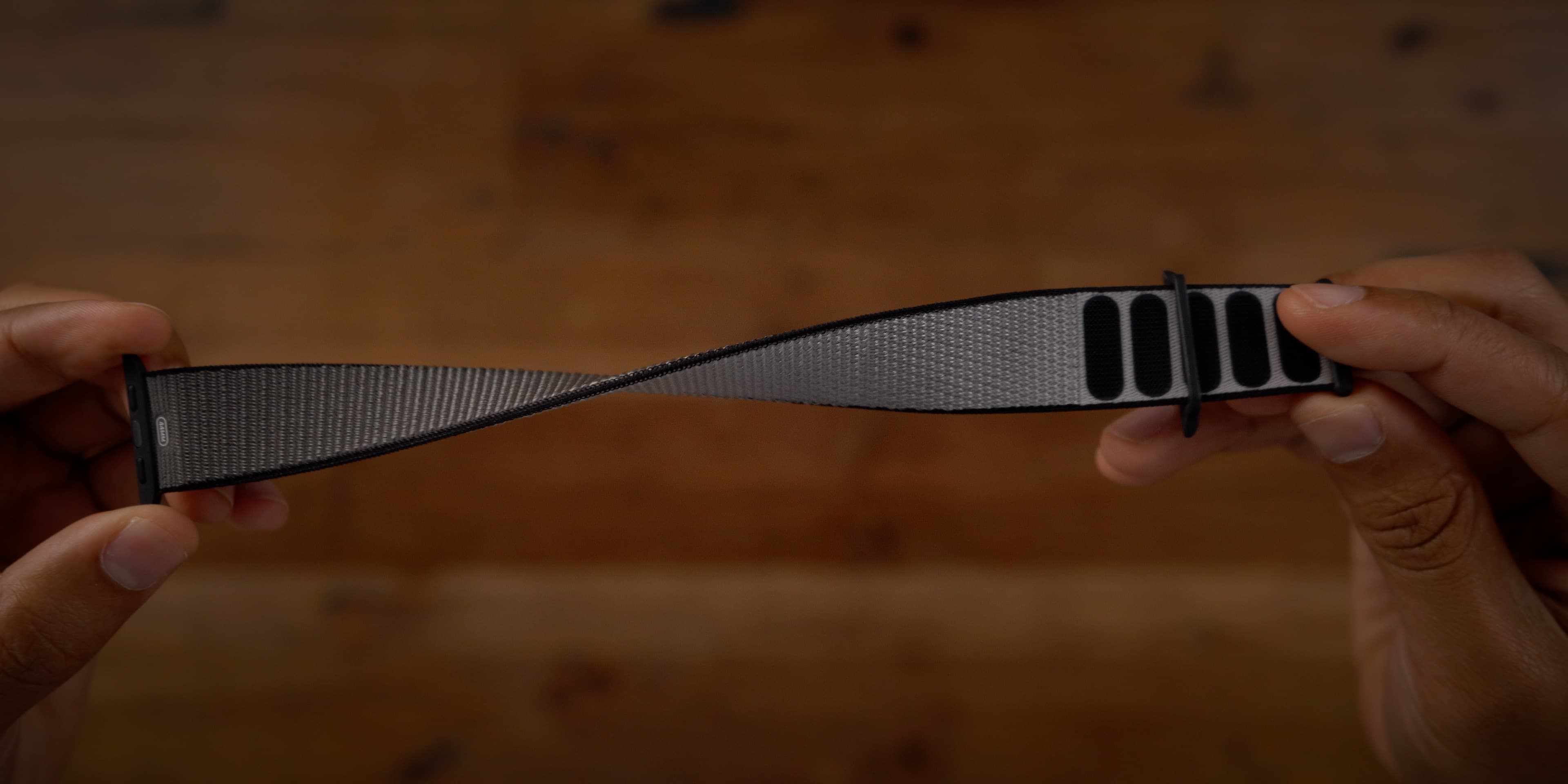
The most effective fix for yellowed silicone is the RetroBrite method. This proven technique combines hydrogen peroxide and UV light to break down yellowing compounds.
Apply the RetroBrite Method
This process uses UV light to activate hydrogen peroxide, releasing free radicals that destroy chromophores causing the yellow tint.
Step-by-Step Restoration
- Remove the watch head to protect electronics and metal parts.
- Fill a shallow container with 3% hydrogen peroxide available at pharmacies.
- Submerge the band completely in the solution.
- Place in direct sunlight for 12 to 48 hours.
- Replace the solution daily if extending beyond 24 hours.
- Rinse thoroughly and air dry completely before reattaching.
Boost Results with Cling Film Wrap
For faster, targeted treatment, try this enhanced version.
- Saturate the band with hydrogen peroxide.
- Wrap tightly in plastic cling film to prevent evaporation.
- Place in full sun for 2 to 6 hours, flipping once halfway.
- Rinse thoroughly and air dry.
Users report visible improvement in under 3 hours. One noted that after 2 hours in the sun, the band looked almost new. This method works best on Casio G-Shock, Apple Watch, and Garmin bands.
Try a Baking Soda Peroxide Paste
For bands with textured surfaces that need extra scrubbing power.
- Mix 1 tablespoon baking soda with 2 tablespoons hydrogen peroxide into a paste.
- Apply with a soft toothbrush.
- Scrub gently into grooves and crevices.
- Place in sunlight for 1 to 2 hours.
- Rinse well and air dry completely.
The mild abrasion helps lift grime while peroxide reverses discoloration.
Try Hair Developer Cream
Salon hair developer cream contains higher concentrations of hydrogen peroxide than drugstore options, delivering faster results.
Use 20 or 30 Volume for Fast Results
Salon developer cream contains 6% to 9% hydrogen peroxide, stronger than the standard 3% solutions. This speeds up the RetroBrite effect significantly.
Quick Treatment Steps
- Apply developer cream generously to yellowed areas.
- Wrap the band in plastic wrap to prevent drying.
- Place in direct sunlight for 2 to 6 hours.
- Rinse thoroughly with water.
- Repeat if needed for stubborn discoloration.
One user said they have done this many times and it works great. This method delivers noticeable whitening in under 6 hours.
Dilute for Sensitive Bands
If the band feels soft or shows signs of aging, dilute developer cream with water in a 1:1 ratio. This reduces peroxide concentration and minimizes risk of material stress while still improving color.
Clean Surface Grime Regularly
Routine cleaning removes surface oils and prevents buildup that leads to yellowing.
Scrub with Baking Soda Paste
For routine cleaning and light stains, this method works well.
- Mix equal parts baking soda and water into a thick paste.
- Rub into the band with fingers or a soft cloth.
- Focus on crevices and discolored zones.
- Let sit for 5 to 10 minutes.
- Rinse thoroughly and air dry.
This removes surface oils and dead skin but will not fix deep UV yellowing. Best used weekly for maintenance.
Combine with Vinegar for Degreasing
To cut through heavy oily buildup, add this extra step.
- Apply baking soda paste to the band.
- Spray white vinegar on top. It will fizz vigorously.
- Let the foam work for 5 minutes.
- Gently scrub and rinse completely.
The reaction lifts grime while vinegar acetic acid dissolves mineral deposits and sweat residue.
Maintain Bands with Gentle Care
Daily habits keep your band looking fresh and delay yellowing.
Wash with Dish Soap and Water
The best daily cleaning method requires only mild soap and warm water.
- Mix a few drops of mild dish soap in warm water.
- Soak the band for 10 to 15 minutes.
- Scrub with a soft toothbrush or microfiber cloth.
- Rinse completely to remove all soap residue.
- Air dry fully before reattaching to your watch.
Use gentle formulas like baby shampoo or hand soap. Avoid harsh detergents. Apple Watch owners should clean every 1 to 2 weeks, while active users should do this 2 to 3 times weekly.
Sanitize with Rubbing Alcohol
For disinfection and odor control between deep cleans.
- Dampen a cotton ball with 70% isopropyl alcohol.
- Wipe all surfaces, including under-lugs and in crevices.
- Let air dry completely.
Alcohol kills bacteria and removes surface oils but does not reverse yellowing. Use sparingly, as frequent use may dry out silicone over time.
Restore Clarity with Natural Soaks
Natural solutions offer gentle cleaning without harsh chemicals.
Soak in White Vinegar Solution
To remove mineral buildup and restore surface shine.
- Mix 1 part vinegar with 3 parts water.
- Soak the band for 10 minutes.
- Scrub gently with a soft brush.
- Rinse well and dry completely.
Vinegar is safe and non-toxic. While it will not whiten, it removes dullness from hard water or sweat residue.
Use Denture Cleaning Tablets
For odor and bacteria control, these fizzing tablets work well.
- Dissolve one tablet in water following package directions.
- Soak the band for 15 to 30 minutes.
- Scrub gently, rinse thoroughly, and dry.
These tablets loosen grime and sanitize. They are not proven for yellowing but improve overall cleanliness and freshness.
Avoid Harmful Cleaning Methods

Some common remedies cause more damage than good.
Never Use Acetone or Nail Polish Remover
Acetone dissolves silicone, causing irreversible swelling, softening, or cracking. One user tried it and reported nothing happened. Despite no visible change, the chemical weakens the material internally. Avoid completely.
Skip Bleach at All Costs
Sodium hypochlorite makes silicone brittle and accelerates yellowing. It can also release toxic fumes when mixed with other cleaners. Never use bleach on silicone. It damages both appearance and structural integrity.
Do Not Boil or Steam
High heat from boiling water, dishwashers, or steam cleaners can warp or melt the band. Even UV sterilizers that generate heat pose a risk. Always clean at room temperature to protect the material.
Avoid Abrasive Tools
Steel wool, stiff brushes, or rough sponges scratch silicone permanently. Scratches trap dirt and speed up future staining. Use only soft cloths or toothbrushes for cleaning.
Choose Safe and Effective Tools
Some tools offer benefits, while others disappoint.
Use Magic Eraser Carefully
Melamine foam removes surface scuffs and light stains effectively.
- Dampen the Magic Eraser slightly with water.
- Gently rub yellowed areas in circular motions.
- Rinse thoroughly and dry.
It works well on sneakers and watch backs but is not effective for deep oxidation. Overuse may dull the surface. Use sparingly.
Skip Toothpaste Whitening
Despite popular home remedy claims, toothpaste does not work on silicone yellowing. One user reported trying this and it did not work, only made it smell minty fresh. Non-gel, baking soda toothpaste may lift light stains but will not reverse yellowing. Avoid colored or gel types that can leave dye residue.
Prevent Future Yellowing
Prevention costs less than restoration.
Rotate Between Multiple Bands
Reduce wear on any single strap by rotating 2 to 3 bands. This cuts UV and sweat exposure, extending each band life significantly. A $10 spare band pays for itself in longevity.
Store in Cool, Dark Place
Keep bands away from sunlight when not in use. Store in a drawer or opaque case. UV damage continues even during storage if exposed to windows or artificial light.
Clean Immediately After Sweating
Wipe the band with a damp cloth after workouts or swimming. This removes sweat, salt, and chlorine before they soak in. Quick wipe-downs prevent buildup and delay yellowing.
Choose Medical-Grade Silicone
Invest in high-quality bands made from food-grade or medical-grade silicone. These resist oxidation, absorb less oil, and stay flexible longer. Brands like Loopifit, Apple, and Garmin use purer formulations that last longer.
Know When to Replace the Band
Sometimes cleaning is not enough.
Check for Cracks and Brittleness
If the band shows cracks, tears, or stiffness, it is past saving. Deep structural damage means the polymer has broken down. No cleaning method will restore flexibility or safety.
Replace if Sticky or Gummy
A sticky feel indicates advanced degradation. The plasticizers have leached out and the material is breaking down. This can cause skin irritation and poor fit. Time for a new band.
Act on Persistent Odor
If odor remains after multiple cleanings with soap, alcohol, or denture tablets, bacteria may be embedded deep in the material. Replace the band to avoid skin issues.
Swap Out After 6 to 12 Months
Even with proper care, silicone bands last 6 to 12 months with regular use. Replacement cost is low, typically $9 to $15. Regular swaps keep your watch looking fresh.
Compare Cleaning Methods
| Method | Reverses Yellowing | Best For | Time Required | Safety |
|---|---|---|---|---|
| Hydrogen Peroxide + UV | Yes (Best) | Deep UV yellowing | 12-48 hours | High |
| Hair Developer Cream | Yes (Fast) | Fast restoration | 2-6 hours | High (with care) |
| Baking Soda Paste | Surface Only | Light stains, odor | 10-15 minutes | High |
| Baking Soda + Vinegar | Mild | Grime, oil | 10 minutes | High |
| Dish Soap + Water | No | Routine cleaning | 15 minutes | High |
| Rubbing Alcohol | No | Sanitizing | 5 minutes | Medium |
| Magic Eraser | Partial | Scuffs, film | 5-10 minutes | Medium |
| Denture Tablets | No | Odor, bacteria | 30 minutes | High |
| White Vinegar | No | Degreasing | 10 minutes | High |
| Acetone | No (Risky) | Not recommended | N/A | Low |
| Bleach | No (Risky) | Not recommended | N/A | Low |
Frequently Asked Questions About Cleaning Yellowed Silicone Watch Bands
Does hydrogen peroxide actually whiten yellowed silicone watch bands?
Yes, hydrogen peroxide combined with UV light is the most effective method for reversing yellowing. The peroxide breaks down chromophores (color compounds) when activated by sunlight. Most users report significant or complete restoration within 12 to 48 hours.
How long does it take to clean a yellowed silicone watch band?
The fastest methods (hair developer cream with sun exposure) take 2 to 6 hours. The standard hydrogen peroxide method takes 12 to 48 hours for deep oxidation. Routine cleaning with soap takes about 15 minutes.
Can I use bleach to clean my silicone watch band?
No, never use bleach on silicone. It makes the material brittle, accelerates yellowing, and can release toxic fumes. Bleach damages both appearance and structural integrity permanently.
How often should I clean my silicone watch band?
Clean with soap and water weekly for regular wear. Active users or those who sweat heavily should clean 2 to 3 times weekly. Wipe down with a damp cloth after swimming or heavy sweating.
Why does my silicone watch band turn yellow even when I do not wear it?
Yellowing continues even during storage if the band is exposed to sunlight through windows or artificial UV light. Store bands in cool, dark places like drawers to prevent oxidation during storage.
When should I replace my silicone watch band instead of cleaning it?
Replace the band if it shows cracks, tears, feels sticky or gummy, has persistent odor after multiple cleanings, or remains deeply yellowed after trying restoration methods. Most silicone bands need replacement every 6 to 12 months.
Key Takeaways for Cleaning Yellowed Silicone Watch Band
The hydrogen peroxide and sunlight method (RetroBrite) is the gold standard for restoring yellowed silicone watch bands. With a $3 bottle of peroxide and a few hours in the sun, you can bring your band back to near-new condition. For daily care, stick to mild soap and water, and clean weekly to prevent buildup.
Avoid bleach, acetone, and harsh scrubbing at all costs. These damage silicone permanently. Rotate between multiple bands, store them properly away from light, and choose medical-grade silicone for better resistance to oxidation.
Replace your band every 6 to 12 months with regular use. With the right routine and occasional restoration treatments, your silicone strap can stay clean, safe, and looking fresh for its entire service life.