Getting a new timepiece is exciting, but knowing how to properly wear a wrist watch is what separates casual owners from true enthusiasts. The difference between a watch that looks sloppy and one that makes a statement comes down to simple details like which wrist you choose, where it sits on your arm, and how tight the strap fits. This guide covers every aspect of proper watch wearing, from ergonomic basics to fashion-forward styling methods used by tastemakers worldwide.
This article walks you through wrist selection, positioning, fit, orientation, and even unconventional wearing styles so you can wear your watch with confidence and precision.
Choose the Right Wrist for Your Watch
The first decision in wearing a watch properly is selecting which wrist to wear it on. While personal preference matters, functional and historical reasons strongly favor a specific approach.
Wear on Your Non-Dominant Hand
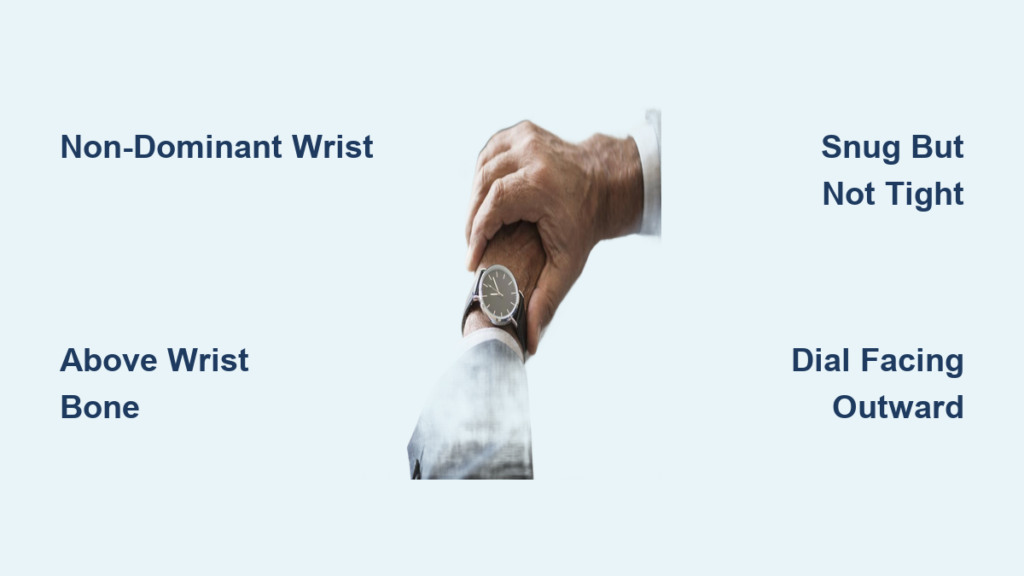
Most watch experts recommend wearing your watch on the non-dominant hand. If you are right-handed, wear your watch on the left wrist. If you are left-handed, wear it on the right. This placement reduces strain during daily activities like writing, typing, and using tools. It also prevents the watch from interfering with your dominant hand’s movements.
Why the Left Wrist Became Standard
Approximately 85 to 90 percent of people are right-handed, making the left wrist the default choice for most watch wearers. Mechanical watches are designed with this in mind. Crowns are typically placed at the 3 o’clock position, making winding and setting easier for right-handed users when the watch sits on the left wrist. Brands like Rolex, Omega, and Seiko design their timepieces with left-wrist wear as the assumed standard.
Left-Handed? Consider a Destro Watch
Standard watches worn on the right wrist can cause discomfort. The crown may dig into desks or snag on fabric. For left-handed wearers seeking true comfort, Destro watches offer a solution. The term comes from the Italian “destro,” meaning right. These watches feature crowns positioned at 9 o’clock for natural access when worn on the right wrist. Notable models include the Tudor Pelagos LHD, IWC Big Pilot’s Watch Right Hander, and rare left-handed Rolex GMT-Master II editions.
Position Your Watch Above the Wrist Bone

Where your watch sits on your wrist affects both comfort and appearance. The recommended position is above the ulnar styloid, which is the bony bump on the pinky side of your wrist.
Wear Above the Ulnar Styloid
The ulnar styloid serves as your landmark for proper watch positioning. Your watch should sit above this bone, not in the joint crease. This placement protects the crown and crystal from scraping against surfaces. It allows natural wrist movement without restriction. Most importantly, it looks more polished and mature. Wearing a watch below the bone is sometimes mocked as the kindergartener style.
When Below the Bone Works
Some people prefer or need to wear their watch below the wrist bone. Small or thin wrists may not have enough space above the bone to keep the watch stable. Loose straps naturally slide down regardless of positioning. Lightweight watches or fabric straps may feel more comfortable in this position. If your watch stays stable and does not rotate excessively, below-the-bone wear is perfectly acceptable.
Watch Movement Throughout the Day
Even a well-fitted watch shifts slightly during daily activities. When you rest your arm, the watch slides down. When you walk or gesture, it moves up. A properly positioned watch should move no more than about one inch in either direction. If it returns to a consistent position without constant adjustment, your fit is working well.
Get the Perfect Watch Fit

A poorly fitted watch creates discomfort and looks unattractive. The fit affects everything from how the watch feels to how long it lasts.
Snug But Not Tight
The golden rule for watch fit is simple. One to two fingers should fit comfortably between the strap and your wrist. If the watch is too loose, it spins or slides excessively on your arm. If it is too tight, it leaves marks, restricts blood flow, or causes skin irritation.
Adjust for Your Strap Type
Different strap materials behave differently over time. Leather and fabric straps stretch with use, so start with a snugger fit. Metal bracelets hold their shape well and may require removing links for a custom fit. Rubber and silicone straps resist stretching, making them ideal for active use. Use micro-adjustment clasps on high-end models for fine-tuning, or visit a jeweler for professional sizing.
Set Your Watch Dial Direction
Most people wear their watch with the dial facing outward. However, wearing the dial facing inward has functional and stylistic benefits.
Standard: Dial Facing Outward
Wearing your watch with the dial facing outward remains the most common and socially accepted method. This orientation allows easy time-checking with a natural wrist turn. It works well for business settings, formal events, and everyday wear.
Tactical: Dial Facing Inward
The inward-wearing method has roots in military use. Soldiers wore watches this way to check time discreetly while crawling or aiming. This orientation reduces glare from sunlight and artificial light. It also protects the crystal from scratches. The style gained popularity through action movies and is now favored by soldiers, law enforcement, healthcare workers, and fashion-forward individuals. Marlon Brando famously wore his Rolex GMT-Master inward during the filming of Apocalypse Now.
Match Band Type to Your Lifestyle
Your strap or bracelet impacts how the watch feels, functions, and complements your wardrobe.
Leather, Fabric, and Rubber Straps
These materials offer flexibility and comfort. They conform to your wrist shape over time and develop character through patina. Leather straps may require tightening as they stretch. These options work best for dress watches and lightweight models.
Metal Bracelets
Metal bracelets provide secure, durable wear. They are ideal for luxury and sport watches like the Rolex Oyster or AP Royal Oak. These bracelets hold position better on the wrist and can be polished or brushed to match your style. Rolex specifically recommends wearing above the wrist bone for metal bracelets to protect them from torsional stress.
NATO and Fabric Straps
NATO straps were originally issued to British military personnel. They are lightweight, breathable, and feature a double-loop design that keeps the watch secure even if one spring bar fails. These straps work well for outdoor and active use.
Size Your Watch to Your Wrist
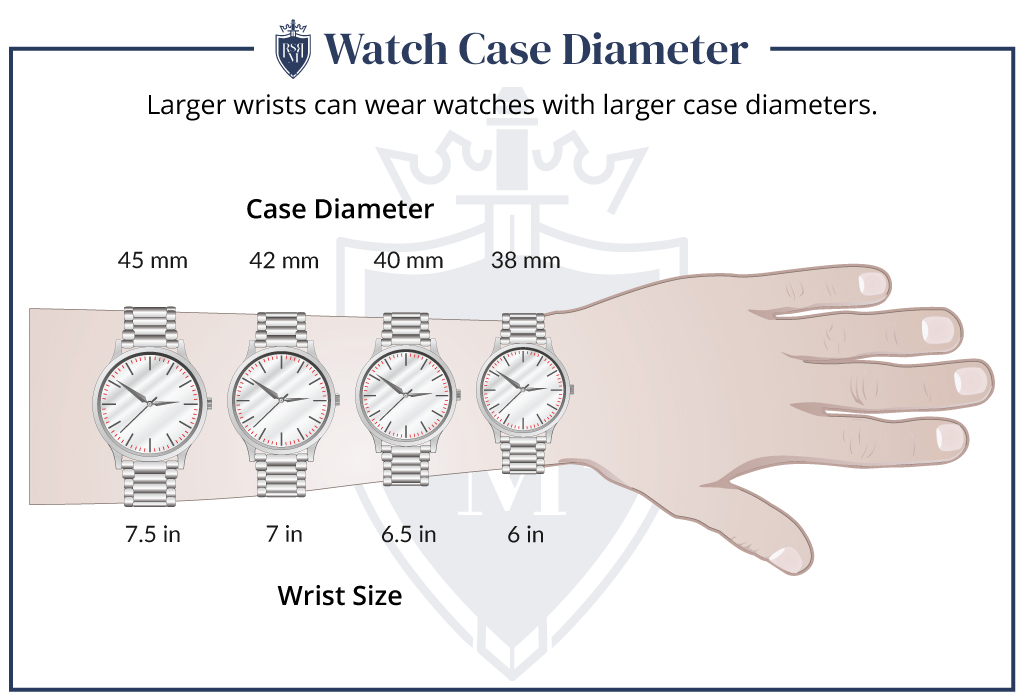
A watch that is too big or too small ruins the overall look. Proportion matters when wearing a watch properly.
The Two-Thirds Rule
The watch case should cover approximately two-thirds of your wrist width. When viewed head-on, there should be visible strap on both sides of the case. This creates balanced proportions that look refined.
Recommended Case Sizes by Wrist
| Wrist Circumference | Ideal Case Size |
|---|---|
| 6 inches (Small) | 34 to 38 mm |
| 7 to 7.5 inches (Average) | 39 to 43 mm |
| 8+ inches (Large) | 44 mm and above |
Case Size by Style
Classic dress watches typically measure 36 to 40 millimeters. Modern standard sizes range from 41 to 45 millimeters. Bold statement watches exceed 46 millimeters. Avoid wearing oversized watches on small wrists, as this look appears gaudy and unbalanced.
Follow Fashion-Forward Watch Styles
Beyond function, watches serve as fashion statements. Several unconventional wearing methods have become trends among influencers and celebrities.
The Loosey-Goosey Style
This trend involves wearing your watch with an oversized bracelet that slides up and down freely. It creates a relaxed, effortless vibe. The style was popularized by influencer Brynn Wallner and embraced by celebrities like Bella Hadid. It works best with elegant models like the Cartier Panthere.
The Agnelli Method
Named after Italian industrialist Gianni Agnelli, this style involves wearing the watch over your shirt cuff. This ensures maximum visibility and has become a high-fashion staple worn by Jennifer Aniston and others. Possible reasons include metal allergies or tight cuffs, but the style now represents bold personal expression.
The Stack
Wearing multiple watches or combining watches with bracelets creates a layered look. This trend is popular in luxury fashion circles. The main risk is scratching, so handle with care. Modern watches built to withstand moderate contact can be stacked safely.
The Warhol
Named after Andy Warhol, this method involves wearing your watch without ever setting the time. It treats the watch as art or jewelry rather than a functional tool. It symbolizes status and personal expression.
Try Avant-Garde Watch Wearing Methods
Some people wear watches in unexpected ways purely for fashion impact.
The Ring Watch
A miniature watch worn on the finger makes a bold statement. This style has existed since the 16th century. Modern examples include the Casio CRW001-1 digital ring, worn by celebrities like Megan Thee Stallion.
The Necklace
Wearing a watch as a pendant or choker transforms it into statement jewelry. Taylor Swift wore a Lorraine Schwartz watch choker at the 2024 Grammys. This method turns a timepiece into a fashion accessory.
The Ankle Wear
Rihanna famously wore a $400,000 Jacob and Co. watch on her ankle at the 2024 Las Vegas Grand Prix. While highly unconventional and risky, this method represents extreme fashion performance.
Dress Your Watch for the Occasion
Your watch should complement the event you are attending.
Match Watch to Event
Formal occasions call for classic dress watches like the Cartier Tank or Jaeger-LeCoultre. Casual settings work well with versatile models like the Timex Weekender or Rolex Datejust. Sporting activities require durable timepieces like G-Shocks or dive watches. Black tie events accept simple dress watches with dark dials. White tie occasions require no watch, with a pocket watch being the traditional alternative.
Coordinate Metals and Colors
Match your watch metal to other accessories. A gold watch should pair with gold rings, cufflinks, and belt buckles. Steel or silver watches should coordinate with silver-toned accessories. For dials, light colors work for daytime and dark colors suit evening events. Never pair a brown leather strap with a black suit.
Master Watch Etiquette
Wearing a watch properly extends to how you interact with others around timepieces.
Avoid Rudely Checking Time
Frequent time glances signal impatience. In meetings or social gatherings, check the time discreetly or use your phone. Being mindful of this social cue shows respect for others.
Never Touch Someone Else’s Watch
Watches are often emotionally valuable or financially significant. Never handle someone else’s watch without permission. If invited to see one, handle it gently, avoid placing it on hard surfaces, and return it promptly.
Rotate Your Watches
Wearing the same watch every day shortens its lifespan.
Why Rotation Matters
Rotating your watches extends their lifespan by reducing wear. It protects against damage from overuse. It also allows you to coordinate different watches with different outfits and occasions.
Build a Mini Collection
A practical rotation includes four categories. Keep a dress watch for formal occasions. Maintain a casual everyday piece. Own a sport model for active use. Add a statement piece for fashion-forward moments. Even three watches provide enough variety for rotation.
Final Thoughts on Wearing a Wrist Watch Properly
After considering all the evidence, the most important finding is clear. There is no single universal correct way to wear a wrist watch. Comfort and personal preference should always come first. However, certain practices work best for most people. Wear your watch on your non-dominant hand. Position it above the wrist bone for stability and style. Keep the fit snug with one to two fingers under the strap. Match the case size to your wrist proportions. Choose a style that fits the occasion. Whether you follow these guidelines exactly or adapt them to your own taste, wearing your watch with confidence is what truly matters.
Frequently Asked Questions About Wearing a Wrist Watch
Which wrist should a man wear a watch on?
Men should typically wear their watch on the non-dominant hand. For right-handed men, this means the left wrist. For left-handed men, the right wrist is preferred. This placement minimizes interference with daily tasks and reduces wear on the timepiece.
Should a watch be worn tight or loose?
A watch should be worn snug but not tight. The ideal fit allows one to two fingers to fit comfortably between the strap and your wrist. Too loose causes the watch to slide excessively. Too tight restricts circulation and causes discomfort.
Where should a watch sit on your wrist?
Your watch should sit above the ulnar styloid, which is the bony bump on the pinky side of your wrist. This position protects the watch from damage, allows natural movement, and appears more polished than wearing it below the wrist bone.
Can you wear a watch on your dominant wrist?
While the non-dominant wrist is recommended, wearing a watch on your dominant wrist is acceptable if it feels more comfortable. Some people prefer the convenience of checking time with their dominant hand. The most important factor is personal comfort.
Does wearing a watch tight cause damage?
Wearing a watch too tight can cause skin irritation, leave marks on your wrist, and restrict blood flow. It does not typically damage the watch itself, but it creates discomfort for the wearer. Always ensure adequate circulation when wearing your timepiece.
What is the proper way to wear a watch for beginners?
Beginners should start with the standard approach. Choose your non-dominant wrist. Position the watch above the wrist bone. Ensure a snug fit with one to two fingers of clearance. Wear the dial facing outward. Match your watch style to the occasion. As you become more comfortable, you can experiment with alternative styles.