A dying battery can leave your Nixon watch motionless, hands stalled and display dark. If your Nixon timepiece has stopped keeping time or the backlight is fading, a simple battery replacement might be all it needs to spring back to life. Knowing how to replace a Nixon watch battery correctly is crucial, especially since these watches often feature water-resistant designs that require precise handling. This guide delivers clear, step-by-step instructions and expert-backed recommendations to help you restore your Nixon watch safely.
You will learn when to go pro, what tools you might need, and how to avoid common pitfalls like damaging seals or voiding warranty coverage.
Check Your Nixon Warranty Status First
Nixon provides a two-year limited warranty that covers defects and includes free battery replacement through their official service channel. If your watch is within this window, do not attempt a DIY fix. Opening the case automatically voids the warranty, even if no visible damage occurs.
Instead, contact the Nixon Service Center directly. They handle the entire process professionally, including replacing the battery, inspecting and lubricating gaskets, re-sealing the case back, and conducting pressure tests to maintain water resistance. This full-service approach ensures your Nixon remains protected against moisture and wear after servicing.
After two years, warranty protection ends. At this point, you have two safe options. Use the Nixon Service Center for paid service, or visit a trusted jeweler or watch repair specialist. Even without warranty coverage, Nixon still recommends professional service due to the precision required, especially for water-resistant models.
Find the Correct Battery Type for Your Nixon
Using the wrong battery can damage your watch or cause poor performance. Nixon provides an official battery replacement chart to help identify the correct model for your specific watch.
One commonly used battery in analog Nixon watches is the AG1 (SR621SW), a small silver-oxide cell often found in ultra-thin models like the Nixon Insider. However, battery type varies by model, so always verify using Nixon’s documentation or by consulting a professional.
Installing an incorrect battery, even one that fits, can lead to shortened lifespan, incorrect voltage delivery, corrosion from leakage, and damage to circuitry. Always confirm the exact battery specification before purchase. Bring your watch model number, usually engraved on the case back, when buying a replacement.
Choose Professional Replacement Over DIY
While some users report success with at-home replacements, Nixon strongly discourages DIY battery changes. The main reasons include risk of breaking delicate internal components, loss of water resistance without proper resealing, and permanent void of warranty. Even minor mistakes like misplacing a spring or scratching the case during disassembly can reduce functionality or resale value.
If you are out of warranty, a qualified local jeweler is your best bet. Not all jewelers are experienced with water-resistant watches, so call ahead and ask if they service Nixon watches, if they can pressure test after battery replacement, and if they stock the AG1/SR621SW or other Nixon-specific batteries.
Request gasket inspection, lubrication, and pressure testing as part of the service. These steps ensure your watch remains water-resistant after reassembly.
What to Bring to Your Appointment
When visiting a professional, prepare your Nixon watch, the model number from the case back, proof of purchase if under warranty, and a replacement battery if you have purchased one. Providing the correct battery helps speed up service. But let the jeweler install it. They will ensure proper polarity and seating.
After pickup, check if the watch is running accurately, if all functions like date, backlight, and buttons are working, and whether pressure testing was performed. Ask for a service receipt that includes confirmation of resealing and pressure testing. This documentation may be useful for future maintenance or resale.
Understand Your Case Back Type
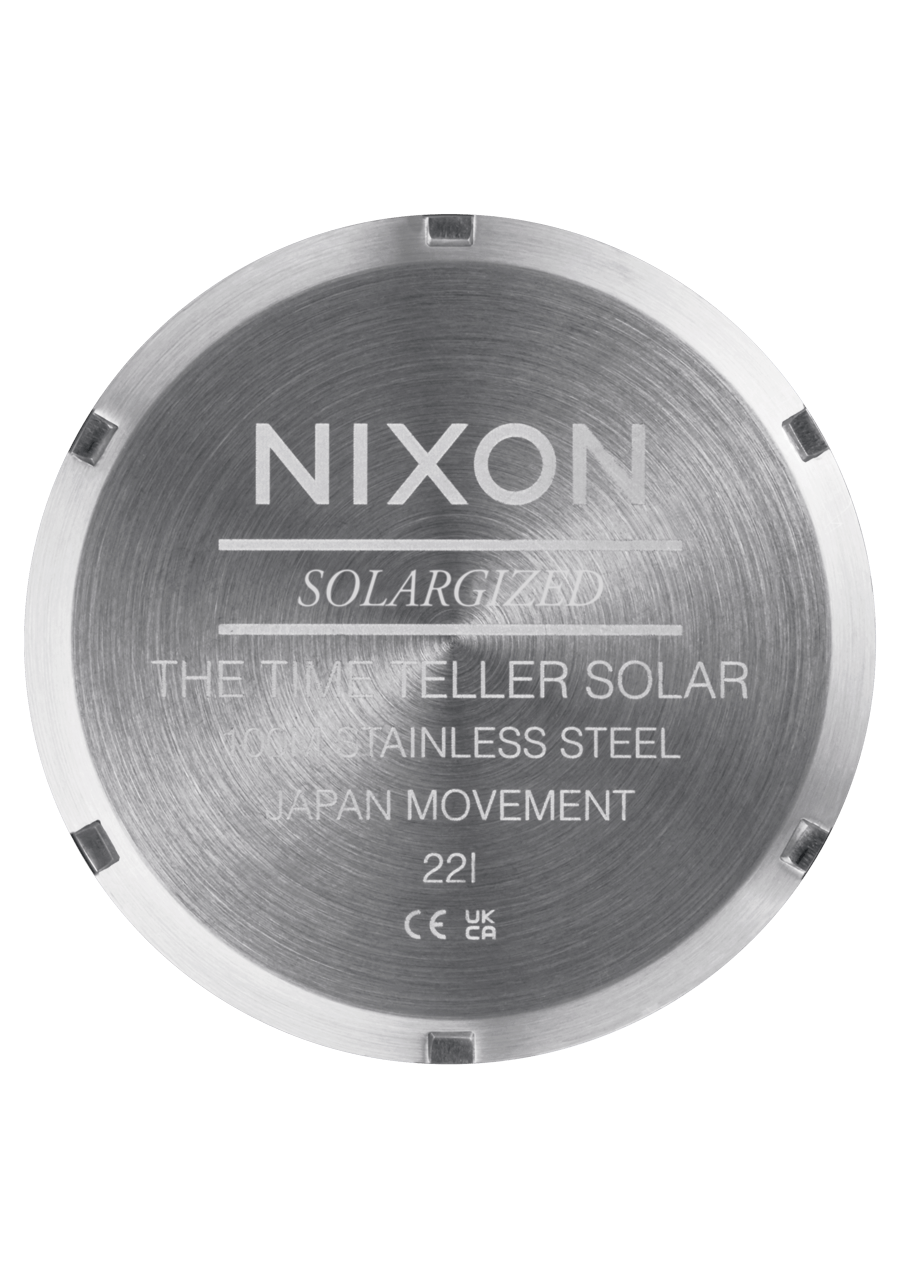
Nixon uses two main case back types. Snap-on backs are removed with a case opener tool by prying around the edge. Screw-down backs require a special wrench to unscrew. Some models mimic screw-down aesthetics but are actually snap-on. Forcing a tool can damage the case. If unsure, take it to a professional.
Tools required for case opening include a case knife or pry tool for snap-back models, a watch case wrench for screw-down backs, a gasket pick to safely remove old seals, and a pressure tester to verify water resistance. Without these tools, achieving a waterproof seal after replacement is nearly impossible.
Preserve Water Resistance After Replacement
Opening the case breaks the factory seal. Even if you close it tightly, moisture can seep in without fresh gasket inspection, proper lubrication, correct torque on the case back, and professional pressure testing. Water damage is not covered under warranty if caused by unauthorized servicing.
A qualified jeweler will replace worn gaskets, apply silicone lubricant to ensure a tight seal, use calibrated tools to close the case evenly, and test the watch under pressure typically three to five ATM. These steps are vital for any Nixon watch rated for water resistance.
DIY Method for Analog Models Only
This method voids your warranty and should only be attempted if you accept full responsibility for potential damage. Some Nixon owners, particularly in the Nixon Insider Facebook group, have shared successful experiences replacing batteries in analog models. This section outlines those user-reported steps.
Tools you will need include a precision screwdriver, fine-tipped tweezers, a pin or probe tool, and a replacement AG1 (SR621SW) battery. Avoid using pliers or improvised tools. They increase the risk of scratches or component damage.
To remove the back cover and module, slide off the plastic cover behind the batteries on both sides. Unscrew the two screws securing the movement module. With the crown pulled out, insert a pin into the crown release hole to disengage the stem. Gently remove the crown and stem. Then carefully lever both sides of the module until it pops free from the case.
To disassemble the movement, use a pin to unhook four connectors, two on each side, holding the metal plate. Lift off the metal shield to expose the circuit board. Carefully release the circuit board by levering at the three pegs. Remove the old AG1 battery.
Watch for tiny springs near the battery compartment. They are easy to lose but essential for proper contact.
To install the new battery, insert the new AG1 (SR621SW) battery. Ensure terminals are aligned correctly. These are often loose and can shift. Reattach the circuit board, making sure it fits only one way due to peg alignment. Replace the metal plate, ensuring one end clicks into the battery box. Reinsert the two screws to secure the module.
To reassemble the watch, place the module back into the case. Align the internal levers with the watch buttons. Do not let them catch on top. Reinsert the crown into the stem. It should slide in smoothly. If there is resistance, double-check alignment. Insert all required batteries, as some models use multiple. Slide the plastic back cover into place. Secure with four screws.
Once complete, the watch should power on and resume normal operation.
Avoid Common Mistakes During Replacement

One of the most frequent errors during reassembly is misplacing the internal levers under the buttons. This can prevent functions like date adjustment or cause erratic behavior. Ensure levers sit beneath the button stems, the crown engages cleanly with the stem, and the module seats flush in the case.
The battery contact springs are tiny and easily lost. Work over a tray or cloth to catch small parts. Also note that battery terminals may be loose. Hold them in place when installing the new battery.
If something does not fit easily, stop. Nixon modules are designed to fit one way. Forcing parts can break plastic pegs or damage connectors.
Maintain Your Nixon Watch Long-Term
Even after battery replacement, extend your Nixon’s life with regular cleaning using a soft cloth, avoiding exposure to extreme temperatures, and removing the watch during high-impact activities. Consider professional servicing every three to five years to inspect seals and movement health.
Save receipts and service reports. Documentation helps track battery life cycles, prove professional servicing, and support resale value. Buy batteries from reputable suppliers. Avoid cheap knock-offs. OEM or high-quality equivalents perform better and last longer.
Frequently Asked Questions About Replacing Nixon Watch Batteries
Can I replace the battery in my Nixon watch myself?
While technically possible, Nixon strongly discourages DIY replacement. Doing so voids your warranty and risks damaging internal components or compromising water resistance. Professional service is recommended.
How much does Nixon watch battery replacement cost?
Costs vary by jeweler and location. Nixon Service Center charges a fee for out-of-warranty service. Local jewelers typically charge less but ensure they offer pressure testing afterward.
What battery does a Nixon watch use?
The AG1 (SR621SW) is common in analog models like the Nixon Insider, but battery type varies by model. Always check Nixon’s official battery chart or consult a professional.
How long does a Nixon watch battery last?
Battery life depends on usage and model. Most watch batteries last two to five years. Features like backlights and alarms drain power faster.
Will replacing the battery affect water resistance?
Yes, unless properly resealed. Always request gasket inspection, lubrication, and pressure testing after any battery replacement to maintain water resistance.
Key Takeaways for Replacing Your Nixon Watch Battery

Replacing a Nixon watch battery does not have to be complicated, but it does require care. The safest and most reliable method is always professional service, whether through the Nixon Service Center or a qualified jeweler. They ensure proper battery fit, maintain water resistance, and protect your investment.
While DIY replacement is possible for certain analog models, it comes with real risks including voided warranty, lost parts, and compromised seals. Only attempt it if you are technically confident and out of warranty.
Regardless of your path, always confirm the correct battery type, use precision tools, prioritize resealing and pressure testing, and handle components gently. By following these guidelines, you can keep your Nixon watch ticking accurately for years to come.