A leather watch strap adds elegance and character to your timepiece, but daily wear exposes it to sweat, oils, and dirt that accumulate quickly. Without proper cleaning, your strap becomes stiff, discolored, and odorous. Learning how to clean a leather watch strap the right way protects your investment and keeps it looking luxurious for years. This guide covers every step, from removal to conditioning, plus tips tailored to different leather types.
Detach the Strap Before Cleaning
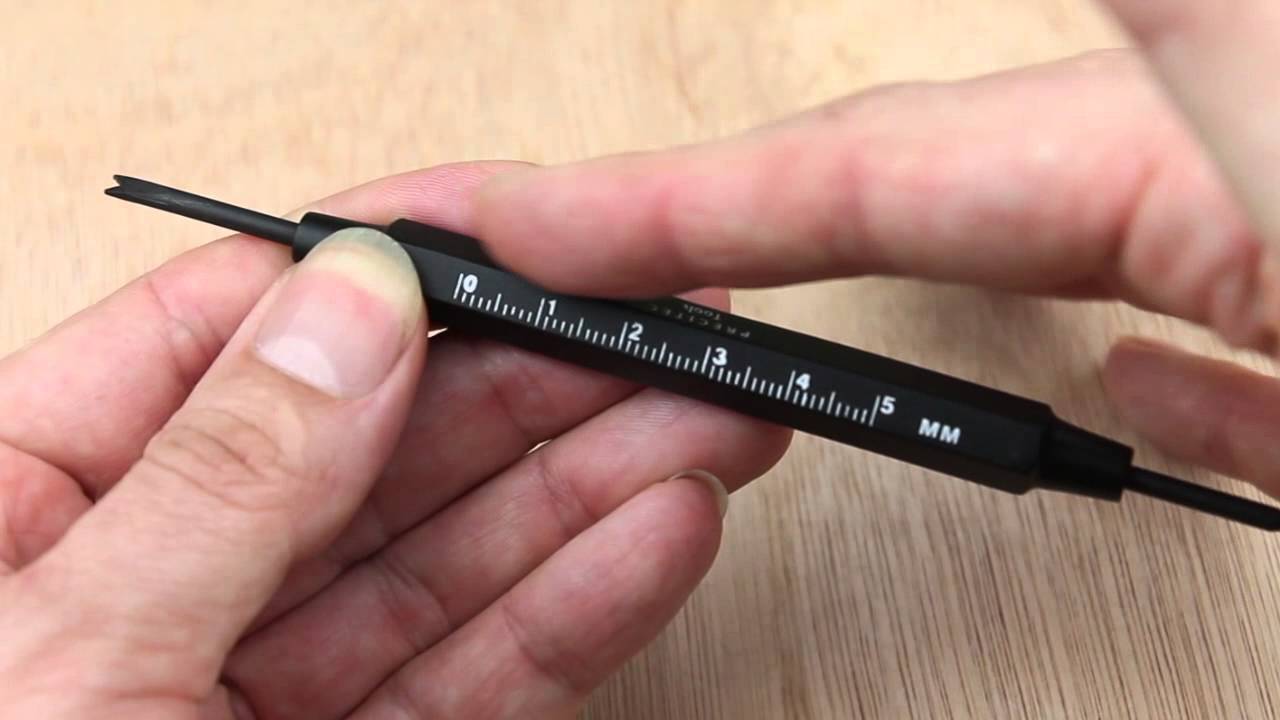
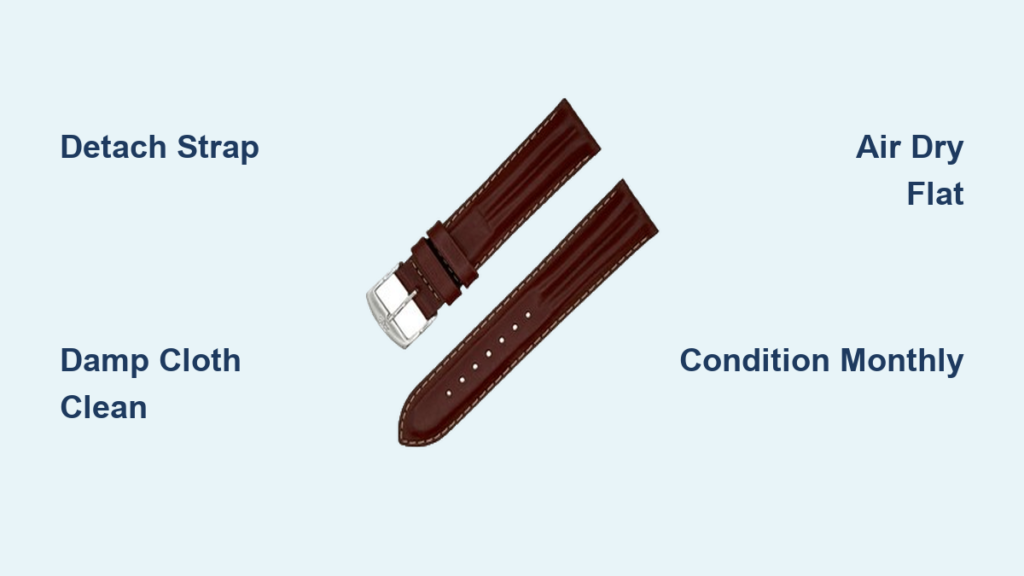
Always remove the leather strap from your watch case before any cleaning. Moisture can seep into the movement, crown, or case back, causing expensive internal damage. Use a spring bar tool to gently push out the spring bars at each lug. Hold the watch securely while avoiding pressure on the crystal or crown.
Keep removed spring bars in a small container to prevent loss. Place the watch in a safe location away from liquids and dust. Cleaning a strap while attached is the most common cause of accidental water damage to luxury timepieces.
Dry Wipe Surface Debris First
Start with a dry microfiber cloth to remove loose dust and particles. This prevents scratching during wet cleaning by eliminating debris that could rub against the leather surface. Wipe both the top grain and underside of the strap, paying special attention to areas near the lugs, buckle, and stitching.
Use light pressure and circular motions, similar to polishing eyeglasses. Microfiber is ideal because it is lint-free, non-abrasive, and highly absorbent. Avoid paper towels or rough fabrics that scratch leather or leave fibers behind.
Repeat this dry wipe until the cloth comes away clean. This step should be part of your weekly maintenance routine, even between full cleanings.
Create a Gentle Cleaning Solution

Mix a mild, non-detergent soap with lukewarm water for safe cleaning. The best options include Castile soap, unscented hand soap without alcohol or fragrance, or saddle soap for deeper cleaning. Add one drop of soap to a bowl of water.
Dip a clean microfiber cloth into the solution and wring it out thoroughly until the cloth is barely damp. Never apply liquid directly to the leather. Excess moisture causes swelling, warping, and mold growth.
Avoid dish soap, alcohol wipes, perfumed cleaners, and antibacterial solutions. These products strip natural oils and accelerate cracking.
Clean With Light Circular Motions
Using the slightly damp cloth, clean both sides of the strap with gentle pressure and small circular motions. Focus on high-sweat areas like the inner curve and regions near the buckle. For visible stains, let the cloth sit on the spot for 10 to 15 seconds to loosen residue before gently rubbing.
Smooth or grained leather responds well to damp cloth cleaning. Nubuck and suede straps require a soft-bristled brush only, never water. Exotic leathers like alligator or ostrich need professional care.
Do not scrub aggressively. Harsh rubbing removes the top finish or causes color bleeding. Work slowly and inspect progress frequently. Full cleaning takes 3 to 5 minutes.
Rinse Away Soap Residue
After cleaning, rinse the cloth under clean water and wring it out completely. Wipe the strap again with this fresh, damp cloth to remove any soap traces. Leftover soap attracts dirt and dries out leather faster.
Use the same gentle circular motion during this rinse step. Rinse the cloth multiple times if needed. Ensure no suds remain before the final wipe.
Air-Dry Flat and Naturally
Pat the strap lightly with a dry microfiber towel to absorb surface moisture. Then lay it flat or loosely curved on a dry towel in a well-ventilated room at room temperature.
Never expose the strap to direct sunlight, hairdryers, heaters, or fans. Avoid leaving it in a hot car or bathroom. Heat causes rapid drying that leads to shrinkage, stiffness, and cracks. UV light fades color and weakens fibers.
Allow 8 to 12 hours for complete drying, preferably overnight. Loosely wrap the strap around a small glass or watch cushion to maintain its natural curve during drying.
Condition Every 4 to 6 Weeks
Cleaning removes natural oils, so conditioning restores them. This step keeps leather soft, prevents cracking, and extends the lifespan of your strap.
Condition every 4 to 6 weeks for daily wear, or every 2 to 3 months for occasional use. Apply conditioner after every saddle soap clean and whenever leather feels dry or shows fine lines.
Apply 1 to 2 drops of watch-safe leather conditioner to a clean cloth, never directly on the strap. Rub in small circles, covering the entire length. Focus on stress points near lugs, folds, and the buckle. Let it absorb for several hours or overnight, then buff with a dry cloth to remove excess.
Too much product causes greasiness or darkening. Always patch test first on a hidden area.
Recommended Products for Leather Watch Strap Care
Using the right products ensures safe and effective maintenance. Here are the top-rated options for cleaning and conditioning leather watch straps.
Cleaners
– Lexol Leather Cleaner effectively removes stains without harsh chemicals
– Bick 1 provides gentle daily cleaning
– Castile soap works for light-duty cleaning
Conditioners
– Bick 4 conditions without darkening, ideal for light leathers
– Smiths Leather Balm uses natural ingredients for subtle conditioning
– Leather Honey provides intense nourishment for dry, aged straps
Protectants
– Collonil Waterstop adds water resistance
– Apple Guard repels moisture in humid climates
Always choose products specifically formulated for fine leather goods like watch straps, handbags, and jewelry.
Treat Sweat Stains and Discoloration
Sweat stains appear as dark patches on the underside of the strap where it contacts skin. They are common but manageable with proper treatment.
Start with a dry wipe to remove surface residue. Clean with Lexol or saddle soap using a damp cloth. Rinse and air-dry completely. Finish with conditioning to restore moisture balance.
For stubborn discoloration, apply mink oil after cleaning. It darkens the entire strap, blending stains into a uniform tone. This technique creates a vintage patina many collectors prefer.
Stains on the underside are not highly visible when worn. Many enthusiasts embrace natural aging as part of the strap’s character.
Remove Odors Without Damaging Leather
Leather absorbs body odor, especially in hot or humid climates. Prevent odor buildup by removing the watch after sweating and letting the strap air out overnight away from the wrist. Rotate between 2 to 3 straps to reduce moisture buildup.
If odor persists, perform a full cleaning with soap, rinse, and dry. Place the dry strap near activated charcoal or baking soda for 24 hours. Use a leather-safe deodorizer if available.
Never use Armorall or silicone sprays, as they trap moisture and worsen odor. Alcohol or perfumed wipes dry and degrade leather.
Adjust Your Method by Leather Type

Different leathers require different care approaches. Using the wrong method causes permanent damage.
Smooth or Grained Leather
This is the most common type used by Rolex, Omega, and Timex. Clean with a damp cloth and mild soap. Condition every 4 to 6 weeks. Avoid water pooling on the surface.
Nubuck and Suede
These materials are highly absorbent and easily damaged by water. Never use liquid cleaners. Use a soft-bristled brush to lift dirt. Apply nubuck-specific conditioner sparingly. Store in breathable fabric. Water leaves permanent marks on these materials.
Exotic Leathers
Alligator, ostrich, and lizard straps are delicate and expensive. Avoid DIY cleaning. Use manufacturer-recommended products only. Seek professional servicing for deep cleaning. Water can break sealed finishes and cause irreversible damage.
Store Properly and Rotate Straps
Proper storage prevents mold, stiffness, and creasing. Keep straps in a cool, dry, ventilated area. Use a watch box or soft fabric pouch. Add silica gel packets to absorb humidity. Store unclasped to avoid permanent folds. Avoid plastic bags that trap moisture.
Rotate between 2 to 3 straps to give each one time to dry and recover. This practice can double or triple the lifespan of your leather straps. Use a strap hanger or watch winder to maintain shape and airflow.
Protect From Environmental Damage
Leather is sensitive to environmental factors that cause rapid degradation.
Avoid water exposure, even brief contact causes swelling and warping. Keep straps away from UV light that fades color and weakens fibers. Never expose leather to heat sources like radiators, ovens, or car interiors. Avoid chemicals from perfumes, lotions, colognes, and hairspray. Minimize friction against rough surfaces.
Apply perfumes and lotions 5 to 10 minutes before wearing your watch to allow them to dry first.
If the strap gets wet, blot gently with a dry cloth and air-dry naturally. Apply a leather protectant afterward to restore water resistance.
Replace When Worn Beyond Repair
Leather is a consumable material with a finite lifespan. Replace the strap when you notice deep cracks or splits, persistent odor after cleaning, brittleness or stiffness, a stretched or loose fit, frayed stitching, or unremovable stains.
With proper care, a leather watch strap lasts 1 to 2 years. In humid or sweaty conditions, lifespan can be as short as 6 months. Budget for replacement every 12 to 18 months.
Patch Test All New Products
Always test any cleaner or conditioner before full application. Apply a small amount to the end of the strap, which is the least visible area. Wait 24 hours and check for darkening, fading, stickiness, or swelling.
Products like mink oil and Leather Honey often darken leather permanently. Testing first prevents unwanted changes to your strap’s appearance.
Seek Professional Help for Valuable Straps
For luxury, vintage, or heirloom watches, professional care ensures safe maintenance. Watchmakers or leather specialists can deep clean without damage, recondition with precision, inspect for structural wear, and repair or replacement stitching.
Consider professional care for exotic leather straps, heirloom timepieces, persistent stains or odors that do not respond to home treatment, and signs of delamination or glue failure. Professional maintenance protects your investment.
Frequently Asked Questions About Cleaning Leather Watch Straps
How often should I clean my leather watch strap?
Clean leather watch straps every 1 to 2 weeks for daily wear. Monthly cleaning suffices for occasional use. In hot or humid climates, clean weekly and wipe down after sweating.
Can I use water to clean my leather watch strap?
Use water sparingly. Dampen a microfiber cloth with mild soapy water, but never saturate the leather. Excess water causes swelling, warping, and mold. For nubuck and suede, avoid water entirely and use a dry brush instead.
What happens if I don’t condition my leather watch strap?
Without conditioning, leather dries out and becomes brittle. Cracks develop faster, and the strap loses its suppleness. Conditioning every 4 to 6 weeks restores natural oils and extends the strap’s life.
Can I use household soap to clean my leather watch strap?
Avoid household cleaners like dish soap, laundry detergent, or antibacterial wipes. These products contain harsh chemicals that strip natural oils. Use only mild, unscented soaps like Castile soap or products specifically formulated for leather.
Why does my leather watch strap smell bad?
Leather absorbs sweat and body oils that create odor over time. Hot and humid conditions accelerate this process. Clean the strap thoroughly and allow it to air out overnight. Rotation between multiple straps prevents odor buildup.
Should I replace my leather watch strap or clean it?
Replace the strap if it shows deep cracks, persistent odor that survives cleaning, excessive stiffness, or visible damage to stitching. With proper care, most straps last 1 to 2 years before needing replacement.
Key Takeaways for Cleaning Your Leather Watch Strap
Cleaning a leather watch strap requires gentle handling, the right products, and patience. Always detach the strap before cleaning to protect your watch movement. Use mild soap and barely damp cloths to avoid water damage. Air-dry completely away from heat and sunlight. Condition every 4 to 6 weeks to maintain suppleness. Rotate between multiple straps and store properly to extend their life.
Following these steps keeps your leather watch strap looking rich, feeling comfortable, and lasting for years. Treat your strap with care, and it will reward you with personalized comfort and character that only natural leather can provide.