Your watch has stopped, runs slow, or shows fog under the crystal—and suddenly, time feels broken. Whether it’s a cherished heirloom, a luxury automatic, or a reliable quartz daily wearer, a malfunctioning watch doesn’t always mean it’s time to replace it. In most cases, how to fix a broken watch comes down to identifying the issue and applying the right solution, sometimes with simple DIY steps, other times with professional help. This guide walks you through every common failure, from dead batteries to water damage, with clear, actionable fixes.
You’ll learn how to diagnose problems accurately, use the right tools safely, and know exactly when to call a watchmaker. No jargon, no fluff, just practical repair knowledge that restores function and extends your watch’s life.
Identify Your Watch Type Before Repair
Before touching any tool, know what kind of watch you’re fixing. The repair path changes completely depending on the movement type, and mixing up methods can cause damage.
Quartz vs Mechanical: Understanding the Differences
Quartz watches run on a battery and use a tiny electric pulse to move the hands. They’re accurate and easy to maintain but depend on electronics. Mechanical (manual wind) watches rely on a wound spring. Turning the crown stores energy that powers the movement over one to three days. Automatic (self-winding) watches are mechanical but wind themselves using motion. Wear them daily, and they stay powered.
How to Identify Your Watch Type
Look for these indicators to confirm your watch type.
Check the movement. If the second hand ticks once per second, it’s likely quartz. If it sweeps smoothly, it’s mechanical or automatic.
Look for markings. “Quartz” on the dial means battery-powered. “Automatic” or “Self-Winding” means rotor-powered.
Observe behavior. Stops after not wearing? Likely automatic. Stopped suddenly with no warning? Likely dead battery.
Once identified, follow the appropriate repair path below.
Fix a Watch That Won’t Run

A stopped watch is the most common issue, and often the easiest to fix. But the cause varies by movement type, so follow the path that matches your watch.
Replace a Dead Battery in Quartz Watches
If your quartz watch stopped suddenly, the battery is the prime suspect. Even before dying completely, a weak battery can cause erratic timekeeping or sudden stops.
Step-by-step battery replacement:
Open the case back. Use a case back opener or precision knife for snap-on backs. For screw-down backs, use a specialized wrench.
Remove the old battery. Use non-metallic tweezers to avoid short-circuiting. Note the battery model (for example, CR2032, SR626SW).
Clean the contacts. Dip a cotton swab in 90% or higher isopropyl alcohol. Gently wipe both contact points.
Insert the new battery. Match polarity (plus side up, usually). Press gently into place.
Reassemble and test. Snap or screw the back on. The watch should start within seconds.
Pro Tip: Replace batteries every two to three years, even if the watch still runs. A leaking battery can destroy the movement completely.
Wind a Mechanical or Automatic Watch
If your mechanical or automatic watch stopped, it likely just needs power. This is especially common after the watch hasn’t been worn for a few days.
Manual winding procedure:
Pull the crown out to the neutral position (not set time).
Turn clockwise 20 to 40 times until you feel resistance.
Push the crown back in.
Check if the second hand moves.
If it still doesn’t run, the movement may be jammed or need professional servicing.
For automatics: Use a watch winder. Place in a winder for eight to twelve hours to simulate wrist motion, or wear it daily to keep it powered.
Warning: Never force the crown. If it won’t turn, stop immediately. Forcing can break internal gears.
Fix Inaccurate Timekeeping
A watch that gains or loses time isn’t always broken. Sometimes it just needs tuning, and the fix is simpler than you think.
Replace Weak Battery in Quartz Watches
Even before dying completely, a weak battery can cause erratic timekeeping. Signs include the watch running fast or slow by minutes per day. Replace the battery immediately. Use a smartphone timegrapher app to check accuracy after replacement.
Demagnetize a Mechanical Watch
Magnetization is a common cause of fast running. Exposure to phones, speakers, or MRI machines can magnetize the internal components.
How to demagnetize at home:
Buy a digital demagnetizer (costs $20 to $50).
Power it on.
Slowly pass the watch over the surface.
Slowly pull it away. Do not lift directly upward.
Repeat once if needed.
Check timekeeping over 24 hours. If still inaccurate, see a watchmaker. Do not overuse the demagnetizer, as excessive exposure can damage the movement.
Hairspring or Balance Wheel Issues
If demagnetizing doesn’t help, internal problems may exist. Symptoms include irregular ticking and inconsistent amplitude. The cause is typically dirt, impact, or worn lubrication. This repair requires professional disassembly, cleaning, and regulation. DIY attempts risk misalignment, so leave this to experts.
Remove Moisture From Inside the Watch
Fog under the crystal means moisture has breached the seal. Act fast to prevent corrosion and permanent damage to the movement.
Emergency DIY Drying Method
This method removes surface moisture but may not reach internal components.
Remove the watch from your wrist.
Pull the crown to stop the movement if possible.
Place in a sealed container with silica gel packets (best option) or uncooked rice (less effective).
Leave for 24 to 48 hours.
Note: This is a temporary solution. Internal parts may still be wet.
When to See a Professional
If fog persists after drying or you see rust on hands or dial, the situation is serious. The movement must be disassembled. Gaskets need replacement. Full cleaning and re-lubrication are required. After professional repair, the watch should be pressure tested to restore water resistance.
Prevent Future Water Damage
Know your watch’s rating. 30m means splash-proof only. 100m or more is safe for swimming. Replace gaskets every two to three years. Never press buttons underwater unless the watch is rated for it.
Fix a Stuck or Loose Crown
The crown controls time-setting and winding. If it’s stuck, loose, or detached, it affects functionality significantly.
Diagnose the Problem
Stuck crown means it won’t turn or pull out. Loose crown wobbles or feels unstable. Detached stem means the crown came off in your hand.
DIY Checks (Limited)
For a loose crown, gently push it in and try tightening by rotating. For a stuck crown, avoid forcing it. This can break internal levers.
Professional Repair Required
Never attempt to reinsert a detached stem. It can damage the clutch or gears. Professional repair includes stem and crown replacement (costs $50 to $150), movement inspection for gear damage, gasket replacement, and water resistance testing.
Repair Non-Working Buttons or Pushers
Chronograph buttons or date adjusters that don’t respond are often due to dirt or dried lubricant.
Clean Pushers at Home
Dampen a soft brush with isopropyl alcohol.
Gently scrub around the button base.
Use an air blower to remove debris.
Press the button several times to free it.
If it still doesn’t work, internal levers may be bent or jammed.
Fix Date Not Changing
Manually advance the time past midnight to see if the date changes.
Check for quick-set function. Pull crown to first click and turn to adjust date.
If no quick-set and still stuck, the day/date wheel may be misaligned.
Warning: Never adjust the date between 9 PM and 3 AM. This can damage the mechanism.
Complex date issues require disassembly. Leave this to professionals.
Repair or Replace a Damaged Crystal
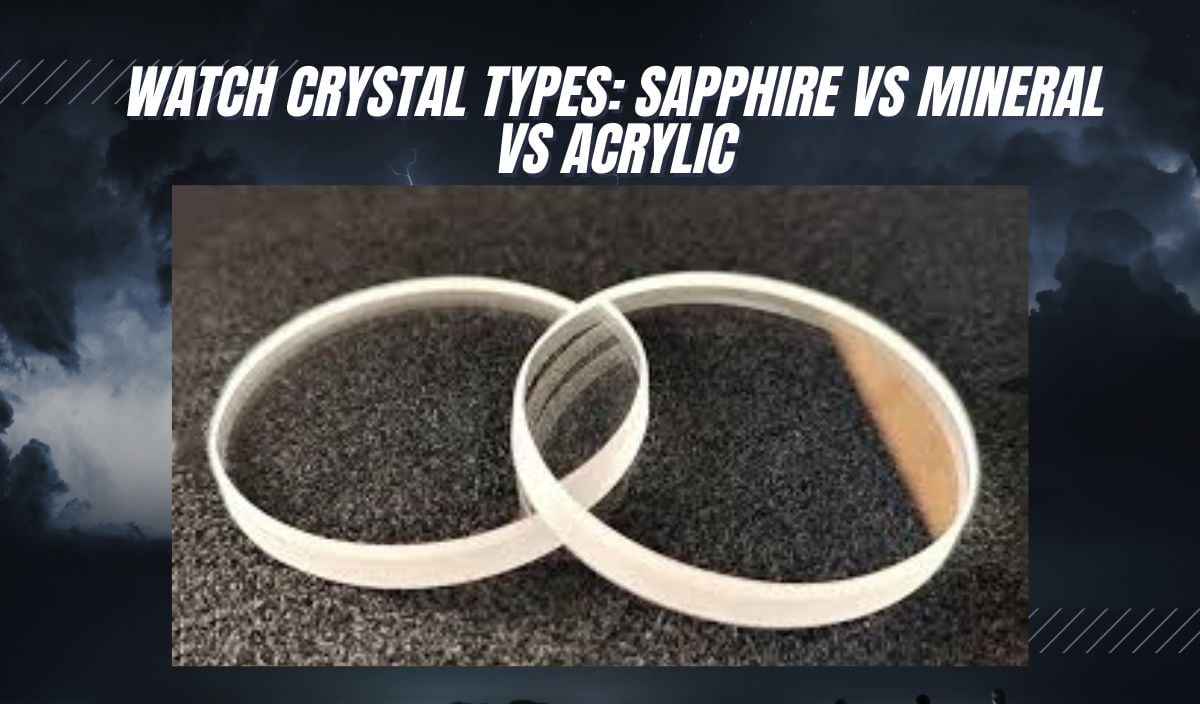
A scratched or cracked crystal affects looks and protection. The repair option depends on crystal type and damage severity.
Polish Light Scratches on Acrylic Crystals
Only acrylic crystals can be polished at home. Use a dedicated polish like Polywatch or T-Clock. Apply to a soft cloth. Buff in circular motions for one to two minutes. Wipe clean and inspect.
Avoid toothpaste. It’s too abrasive and can leave haze on the crystal.
Replace Cracked or Deeply Scratched Crystals
For mineral or sapphire crystals, or if cracked, replacement is required. DIY replacement risks include requiring an exact model-specific crystal, needing gasket replacement, and improper sealing that ruins water resistance. Professional crystal replacement costs $75 to $200.
Recommendation: Let a pro handle crystal replacement. Precision matters for water resistance and aesthetics.
Handle Impact Damage and Bent Parts
Drops or hard knocks can bend hands, crack dials, or misalign the case. Assess the damage quickly to determine if repair is worth it.
Assess the Damage
Bent hands may touch each other or the dial. Cracked dial is often irreparable. Loose lugs or case compromises strap security.
Repair Options
External damage (case or crystal) can often be replaced. Internal damage requires more extensive work. Hands must be realigned or replaced. Dials may need refinishing or replacement. Movements may require overhaul.
Cost note: On low-value watches, repair may exceed the market price. For vintage or luxury pieces, always use a certified watchmaker.
Address Static Electricity Issues in Quartz Watches
In dry environments, static electricity can temporarily stop a quartz watch. This is rare but documented, especially in winter or low-humidity areas.
Symptoms
Watch stops suddenly with no warning. Resumes after a few minutes. No other visible issues when inspected.
Prevention Tips
Wear an anti-static wrist strap when handling the watch. Avoid synthetic clothing. Store in an anti-static container. Demagnetize if the movement behaves erratically.
Repair Watch Bands and Clasps
Band issues are common and often easy to fix at home. A secure clasp prevents accidental loss.
Adjust a Metal Bracelet
Identify pin direction (arrows on links point the way).
Use a spring bar tool or pin pusher.
Push the pin out, remove links, reinsert pin.
Ensure pins are fully seated.
Tip: Keep removed pins in a magnetic tray. They’re tiny and easy to lose.
Replace Leather or Rubber Straps
Use a spring bar tool to remove the old strap.
Insert new strap with correct width (for example, 20mm, 22mm).
Ensure spring bars are secure.
Cost: $15 to $50 for quality replacements.
Fix Clasp Problems
Fold-over clasp: Check for bent hinges. Deployment clasp: Lubricate hinge points with micro-lube. Broken clasp: Replace the entire clasp or band.
Use the Right Tools for the Job

Using improper tools risks damaging your watch permanently. Invest in basic tools for simple repairs.
Essential DIY Tools
Case back opener for opening the back safely. Precision screwdrivers for screws and adjustments. Non-magnetic tweezers to handle small parts without risk. Spring bar tool for strap changes. 10x magnifying loupe to inspect tiny components. Soft cloth to protect the case during work.
Never use pliers, knives, or screwdrivers from your toolbox. They scratch and slip, causing damage.
Professional Tools (For Experts Only)
Timegrapher measures accuracy. Ultrasonic cleaner deep cleans parts. Watch press installs stems and crowns. Pressure tester checks water resistance.
These are not DIY tools. Leave them to watchmakers.
Know When to Call a Professional
Some repairs are beyond DIY. Knowing when to stop prevents costly damage and keeps your watch running longer.
Situations Requiring Expert Help
Movement disassembly (anything beyond battery replacement). Water damage (internal corrosion risk). Crown or stem replacement (precision alignment). Crystal replacement (sealing integrity). Chronograph or complications (complex levers). Vintage or luxury watches (repair affects value).
How to Find a Qualified Watchmaker
Look for certification (CW21, AWCI, or brand-authorized). Check reviews and experience with your brand. Ask for transparent pricing and diagnostics. Search for “authorized [brand] service center” or “independent watchmaker near me.”
Average Repair Costs (USD)
Battery replacement costs $10 to $30. Crystal replacement costs $75 to $200. Crown and stem replacement costs $50 to $150. Full movement service costs $200 to $600. Water damage overhaul costs $150 to $400. Strap replacement costs $20 to $100.
Luxury brands like Rolex or Omega cost more. Expect $500 or more for full service.
Prevent Future Watch Problems
The best fix is preventing the break in the first place. A little care goes a long way.
Follow a Maintenance Schedule
Quartz watches need battery check every two years and full service every five to seven years. Mechanical and automatic watches need full service every three to five years. Service includes cleaning, re-lubrication, and timing adjustment.
Store Your Watch Properly
Use a soft roll or box. Keep away from magnets (phones, speakers). Keep away from sunlight (fades dials). Keep away from humidity (causes mold). Use a watch winder for automatics not worn weekly.
Wear With Care
Remove the watch during showering, even if water-resistant. Remove during swimming unless rated for it. Remove during heavy exercise (sweat damages seals). Remove during high-impact activities (tennis, gym). Avoid extreme temperatures.
Frequently Asked Questions About Fixing a Broken Watch
Can I fix a broken watch myself at home?
You can handle simple repairs at home, including battery replacement, strap changes, and polishing acrylic crystals. Anything involving the movement, water damage, or crown replacement requires professional tools and expertise.
Why did my watch stop working suddenly?
For quartz watches, a dead battery is the most common cause. For mechanical or automatic watches, the watch likely just needs winding. If winding doesn’t help, the movement may need professional service.
How much does it cost to repair a watch professionally?
Battery replacement costs $10 to $30. Crystal replacement costs $75 to $200. Crown and stem replacement costs $50 to $150. Full movement service costs $200 to $600. Luxury brand repairs cost significantly more.
Is it worth repairing an old or cheap watch?
If the watch has sentimental value, repair is worthwhile. If the watch is inexpensive, compare repair cost to replacement cost. On very cheap watches, replacement may make more financial sense.
How do I know if my watch has water damage?
Signs include fogging or droplets under the crystal, rust on hands or dial, or a stopped movement. Act quickly. Remove the battery if possible and dry the watch. Then see a professional.
Can I fix a scratched watch crystal myself?
Only acrylic crystals can be polished at home using specialized polish. Deep scratches or cracks require professional replacement. Mineral and sapphire crystals cannot be polished.
Final Thoughts on Fixing Your Broken Watch
A broken watch isn’t always a lost cause. With the right knowledge, you can fix common issues like dead batteries, loose straps, or minor scratches. Simple DIY repairs save money and keep your watch running.
But respect the limits of DIY. Precision movements deserve expert care. Trying to force components or opening the case without proper tools causes more harm than good.
By acting quickly, using proper tools, and knowing when to call a professional, you can restore your watch to reliable service for years to come. Remember: a watch is only as good as its last service. Regular maintenance prevents minor issues from becoming major failures, ensuring your timepiece remains reliable for years, or even generations.