You’ve noticed your watch ticking erratically or not running at all. Chances are, it’s time to replace the battery. Knowing how to open a watch battery compartment correctly is the key to a successful DIY fix without damaging your timepiece. This guide breaks down every step, tool, and safety tip you need to confidently access and replace the battery in any type of watch. Whether you’re dealing with a snap-on back, screw-down case, or coin-slot design, we’ll show you exactly what to do to get your watch ticking again.
Identify Your Watch Case Back Type

Before touching any tools, determine the type of case back. Using the wrong method can scratch, bend, or strip your watch. There are five main types, and each requires a different approach.
Snap-On Case Backs
Found on many quartz and fashion watches, this type uses a tight friction fit to stay sealed. Look for a thin seam around the edge and no screws or notches. Some models have a small indentation or lip for tool insertion. If there’s a slight gap between the back and case, it’s likely a snap-on.
Screw-Down Case Backs
Common in dive and sports watches, these backs screw into the case for a waterproof seal. They feature notches, grooves, or teeth around the perimeter. Rotate counterclockwise to open. Even if it looks like it screws in, always check for threading since some are fake hybrid types.
Screw-Fixed Case Backs
Used in higher-end or vintage watches, this design has visible tiny screws securing the back. The back itself does not turn. Only the screws come off. These screws are fragile, so use the correct precision screwdriver to avoid stripping.
Coin-Operated (Swatch-Style) Backs
Popular in Fossil, Swatch, and fashion brands, these have a slot marked OPEN with an arrow. Insert a coin and rotate counterclockwise to unlock. A quarter or dime usually works perfectly for this type.
Hybrid or Simulated Screw-Backs
These look like screw-downs but are actually snap-on with decorative grooves. No real threading exists. Try prying gently at a seam first. If it pops off easily, it’s not threaded.
Essential Tools for Opening a Watch Battery
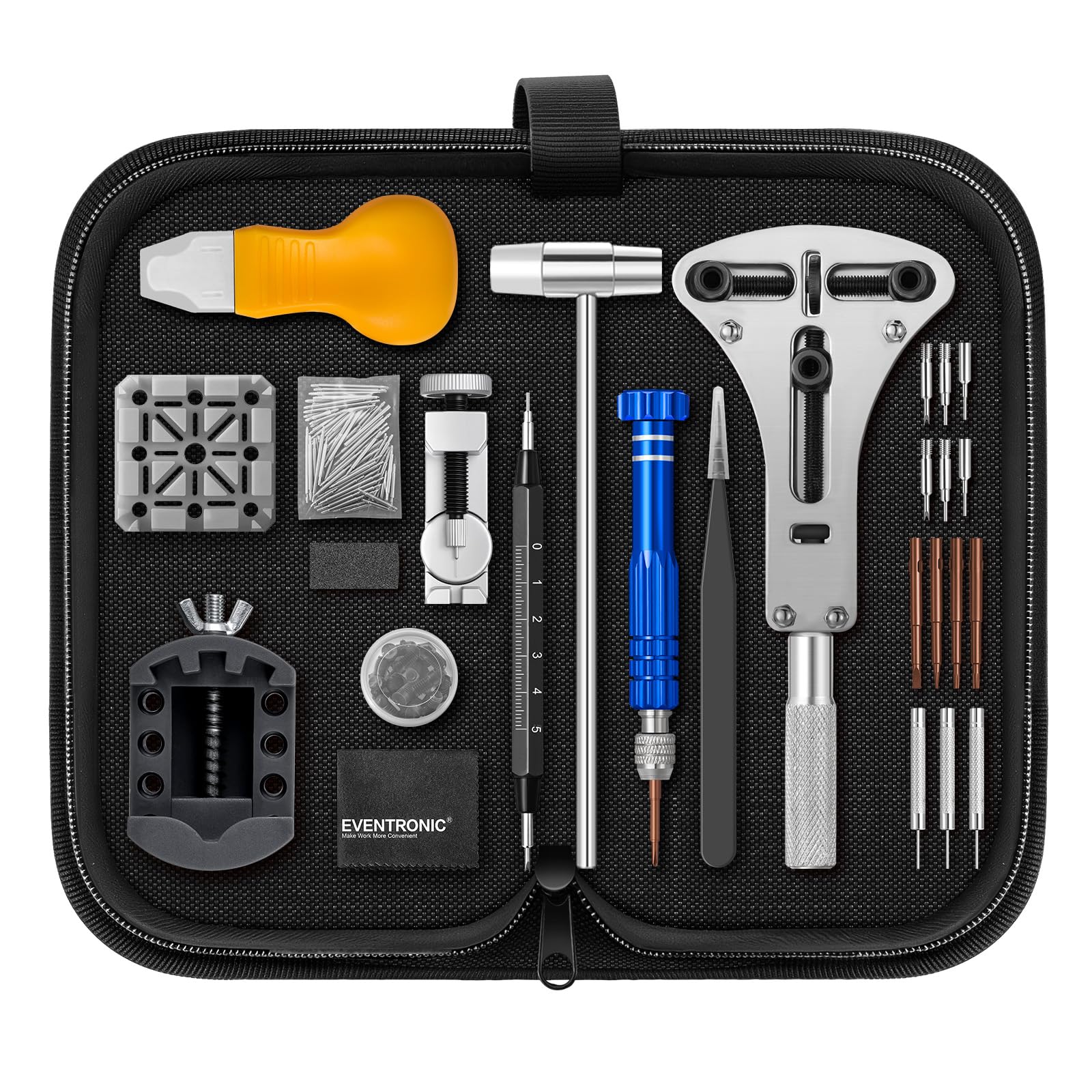
Using the right tools prevents damage and makes the job easier. Start with basics and add specialized gear as needed.
Basic Tools You Already Own
A small flathead screwdriver works well for prying snap-backs or inserting into coin slots. A coin like a quarter, dime, or penny is perfect for Swatch-style backs. Use a soft cloth or silicone mat to protect the crystal and case from scratches. Have tweezers available, preferably plastic or anti-static, to handle the battery safely.
Recommended Specialized Tools
A watch case knife provides a thin, precise blade for breaking the seal on snap-backs. A case back wrench fits into notches of screw-down backs with even pressure. A precision screwdriver set handles tiny screws on screw-fixed backs. A friction grip ball or Blu-Tack twists smooth or stuck screw-down backs without scratching. A magnifying glass or loupe helps see small parts and battery codes clearly.
DIY Alternatives That Work
A duct tape loop wrapped around the back with a pencil as a handle can twist off stubborn backs. Blu-Tack or poster putty pressed onto the back and rotated works great for smooth surfaces. A sharpened dinner knife can substitute for a case knife, but avoid flimsy blades.
A $5 friction ball is a low-risk investment that prevents costly scratches.
How to Open a Snap-On Watch Back
This is the most common type and often the easiest to open if done carefully.
Step-by-Step Process
Place the watch face-down on a soft, non-slip surface like a microfiber cloth or silicone mat. Locate the seam or notch around the edge. Some watches have a small lip for tool insertion. Insert the tip of a case knife or flathead screwdriver into the gap. Gently twist upward to lift the edge without forcing it. Work around the edge if needed, applying light pressure at different points. Lift the back off once fully released.
Never pry aggressively because excessive force can bend the back or damage the case.
Reassembling a Snap-Back
Align the back properly with the case. Press down evenly with your fingers or use a watch back press tool. Apply firm, even pressure until you hear a click indicating it’s sealed. Check that the back is flush all around.
Use a thin plastic film between the tool and case to prevent scratches.
How to Open a Screw-Down Watch Back
These are common in water-resistant watches like Seiko dive models or Citizen Promaster.
What You Need
Use a case back wrench, preferably the three-jaw JAXA style for even torque. Alternatively, use a rubber friction ball, Blu-Tack, or the duct tape method.
Opening Steps
Secure the watch face-down on a soft mat. Fit the wrench into the notches around the back’s edge. Turn counterclockwise with steady pressure. Once loose, finish unscrewing by hand. Remove any plastic or silicone cover underneath with a spring bar remover or tweezers.
A three-jaw wrench distributes force evenly, reducing slippage and damage.
Alternative Methods Without a Wrench
The rubber ball trick involves pressing a rubber ball firmly onto the back and twisting counterclockwise. The Blu-Tack method uses putty molded onto the back and rotated. The duct tape handle method sticks tape sticky-side-out to the back, inserts a pencil, and twists.
Never use pliers unless absolutely necessary because they can crush or mar the case.
How to Open a Screw-Fixed Watch Back

Found in Swiss-made or vintage watches, this type requires precision and patience.
Tools Required
Use a precision screwdriver with the correct size head. Have a magnetic parts tray ready. Use a magnifier and tweezers for handling small components.
Safe Removal Steps
Take a photo of the back before removing screws to help during reassembly. Work over a magnetic tray to catch falling screws. Use the correct-sized screwdriver because too big or too small will strip the screw head. Remove each screw slowly, placing them in order on the tray. Gently lift the back once all screws are out.
Never force the screwdriver because stripped screws are hard to remove and may require professional help.
Reassembly Tips
Replace the back plate first. Reinstall screws in a crisscross pattern to ensure even pressure. Tighten gradually by not fully tightening one screw before starting the next. Stop when snug because overtightening can crack the case or break the screw.
How to Open a Coin-Operated Watch Back
Simple and designed for user access, these are found in Swatch and Fossil watches.
Easy 3-Step Method
Insert the edge of a coin into the slot marked OPEN. Rotate counterclockwise in the direction of the arrow. Continue turning until the back disengages, usually one full rotation.
These are the easiest to open, making them ideal for beginners.
Closing the Back
Reinsert the back and align it properly. Rotate clockwise until it locks. Test by gently trying to turn it. If it doesn’t budge, it’s secure.
How to Remove and Replace the Battery
Once the back is off, it’s time to swap the battery carefully.
Locate the Battery
The battery is a small, round, silver disc usually under the movement or near the edge. Some watches have two batteries, so check thoroughly.
Release the Battery
Look for a metal tension spring or clip and gently lift with tweezers or a plastic tool. Some have a small screw that requires a precision screwdriver. Others have a silicone or plastic cover that must be peeled off before accessing the battery.
Never use metal tweezers near the movement because you risk shorting the circuit.
Identify the Correct Replacement
Check the code on the old battery. Common codes include CR2032 and CR2025 for 3V lithium batteries. SR626SW, also labeled 377, is 1.55V. SR621SW is 364, and CR1216 is another common size. Buy from trusted brands like Renata, Maxell, Panasonic, or Energizer for longer life.
Install the New Battery
Clean contact points with a cotton swab. Insert with tweezers, matching the same orientation. The positive side usually faces up. Re-secure the spring or clip. Replace any silicone or plastic cover.
Reversing polarity can permanently damage the movement.
Test Before Closing the Watch
Don’t seal it yet. Test first.
Quick Function Check
Turn the watch over and watch the second hand. It should tick once per second, not jump erratically. For digital or multi-function watches, test the backlight, chronograph, date change, and alarms.
If it doesn’t start, recheck battery orientation. Clean contacts again. Confirm the battery is fresh and the correct model. Some watches need a reset procedure.
Reassemble the Watch Case Safely
Closing it right ensures durability and water resistance.
Snap-On Backs
Align and press evenly. Use a watch back press tool for best results. Listen for the click as the seal engages.
Screw-Down Backs
Align threads carefully. Turn clockwise until snug. Don’t overtighten because damaged threads or gaskets compromise water resistance.
Screw-Fixed Backs
Replace all screws. Tighten in a crisscross pattern. Stop when firm because precision screws break easily.
Waterproofing After Battery Replacement
Opening the case breaks the seal, especially important for water-resistant models.
Gasket Inspection
Check the rubber or silicone gasket for cracks, dryness, or deformation. Replace if damaged because it’s cheap insurance. Lightly lubricate with silicone grease for better sealing.
Even if you reseal it perfectly, your watch may no longer be waterproof without professional pressure testing. See a professional for watches rated 50m or higher, luxury or dive watches, or any model where water resistance matters.
Safety Tips and Best Practices
Avoid common mistakes that ruin watches.
Handle the Battery Right
Never touch with bare fingers because skin oils cause corrosion. Use tweezers or a cloth. Keep batteries away from kids and pets because ingestion is dangerous.
Work Smart
Use a clean, well-lit space. Work over a soft, non-static surface. Store screws in a magnetic tray. Take your time because rushing leads to broken parts.
DIY vs. Professional Replacement
Do it yourself if it’s a basic quartz watch, you have the right tools, it’s low-cost or sentimental, or the case back is snap-on or coin-style.
See a professional if it’s a luxury, vintage, or mechanical watch. It has high water resistance. You’re unsure of the back type. The screws are stuck or stripped. You don’t want to risk damage.
Most jewelers charge $5 to $25 for battery replacement, often cheaper than buying tools for one job.
Troubleshoot Common Post-Replacement Issues
Watch doesn’t run. Check battery orientation, model, and contact cleanliness. Second hand jumps every few seconds. Likely a low-quality battery, so replace with a top brand. Functions not working. May require a reset, so consult the manual. Battery dies quickly. Could be a parasitic drain, so seek professional diagnosis. Reduced water resistance. Gasket may be damaged, so have it tested professionally.
Extend Your Watch Battery Life
Make your next battery last longer.
Avoid extreme temperatures because heat and cold reduce efficiency. Limit power-heavy features like backlight and alarms. Keep the watch clean because dirt interferes with electrical contacts. Store properly by removing the battery if unused or keeping it in a dry place.
Final Checklist: How to Open a Watch Battery Successfully
Identify the case back type before starting. Use the correct tool and never force it. Work on a soft, non-slip surface. Remove the old battery with tweezers, not fingers. Match the exact battery model. Observe polarity. Test the watch before reassembling. Ensure the case back is securely sealed. Inspect the gasket if water resistance matters.
Frequently Asked Questions About Opening a Watch Battery
What tools do I need to open a watch battery compartment?
You need basic tools like a small flathead screwdriver, tweezers, and a soft cloth. Specialized tools include a watch case knife for snap-on backs, a case back wrench for screw-down types, and a precision screwdriver set for screw-fixed backs. A coin works for Swatch-style backs.
How do I know what type of watch case back I have?
Look for visible screws for screw-fixed backs. Check for notches or grooves around the edge for screw-down backs. Look for a coin slot marked OPEN for coin-operated backs. A simple seam with no screws or notches indicates a snap-on back.
Can I use a regular screwdriver to open my watch?
A small flathead screwdriver can work for snap-on and coin-slot backs. However, using a dull or too-large screwdriver risks scratching the case or stripping screws. Jeweler’s grade tools are recommended for precision work.
What happens if I force the watch back open?
Forcing can bend or deform the case back, strip screws, scratch the case, or damage the internal movement. Always identify the correct type first and use appropriate tools. If resistance is high, stop and reassess.
Should I replace the battery myself or see a professional?
DIY works well for basic quartz watches with snap-on or coin-style backs. Seek professional help for luxury watches, vintage pieces, high water resistance ratings, or if you’re unsure about the process.
Key Takeaways for Opening Your Watch Battery
Replacing a watch battery is simple when you know the right steps. Start by identifying your case back type, then gather the appropriate tools. Work slowly on a soft surface to avoid damage. Handle the battery with tweezers, observe polarity, and test before closing. For water-resistant watches, inspect the gasket and consider professional pressure testing. With patience and the right approach, you can save money and keep your favorite timepiece ticking.