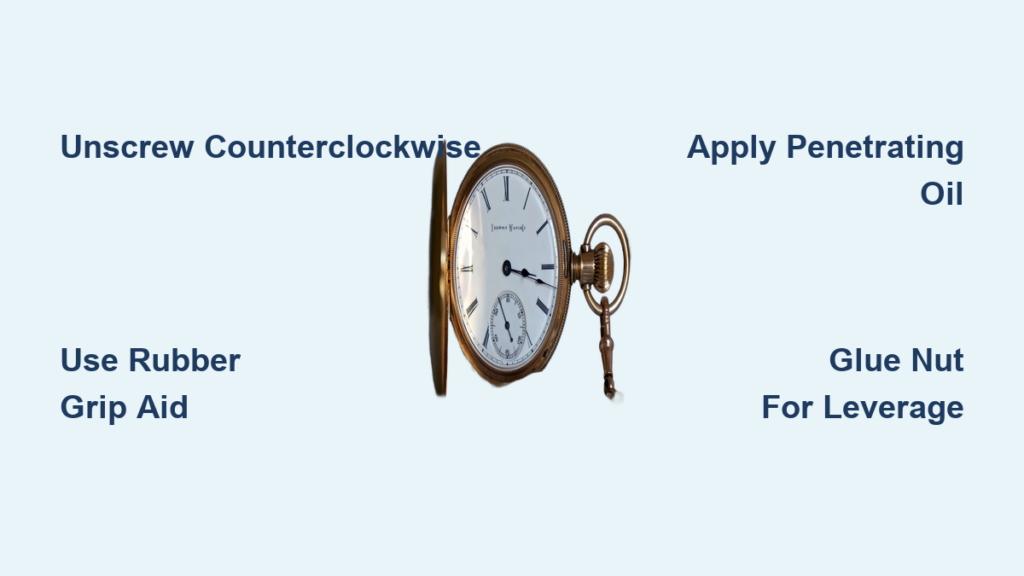
If your Illinois pocket watch won’t open, you are not alone. These vintage timepieces from the early 20th century feature screw-back and screw-bezel cases that must be unscrewed, not pried open. Many people mistakenly force them, risking damage to the case or movement. The truth is you need patience and the right technique, not special tools. Illinois railroad-grade watches were designed to be opened by hand, with both front and back threading counterclockwise. This guide walks you through proven methods used by collectors and horologists to safely access the movement inside your Illinois pocket watch.
Identify Your Case Type First
Before attempting to open your watch, confirm it has a screw-back or screw-bezel case. Most high-grade Illinois models, especially railroad-approved watches, feature threaded backs and bezels made by manufacturers like Keystone Watch Case Co.
Look for These Visual Clues
• No pry notch or lip around the edge indicates a screw-off case
• A nearly invisible seam between the back and case body suggests threading
• Check for stamps like “Keystone,” “10k Gold Filled,” or model numbers
Expert Tip: Railroad-approved Illinois watches almost always use screw-back designs for durability and secure sealing.
Confirm It Is Not a Snap-Back
Some pocket watches open with gentle prying, but Illinois models rarely do. If you see no indentation for a case tool, do not force it. Attempting to pry a screw-back case can bend the rim or crack the crystal.
Unscrew the Bezel and Back by Hand
The correct method for most Illinois pocket watches is simple: unscrew both the front bezel and back case counterclockwise, just like a jar lid.
How to Remove the Bezel
- Hold the main case body firmly in your non-dominant hand
- Place the palm of your other hand against the outer bezel (front ring holding the crystal)
- Rotate counterclockwise with steady, even pressure
- Some bezels are tight due to age and dried oils, so apply firm consistent force
User Success (Paul Hlavac): “Unscrew it like a lid on a jar. Both the front and the back open that way.”
How to Remove the Caseback
Once the bezel is off, repeat the process on the back. Use the same palm technique, pressing flat against the back and twisting counterclockwise. If the movement lifts slightly as you turn, that is normal—the caseback is unthreading.
Expert Confirmation (Dave Coatsworth): “To expose the movement, simply unscrew the back of the case. It should unscrew just as the bezel did.”
Use Grip Aids for Stuck Cases
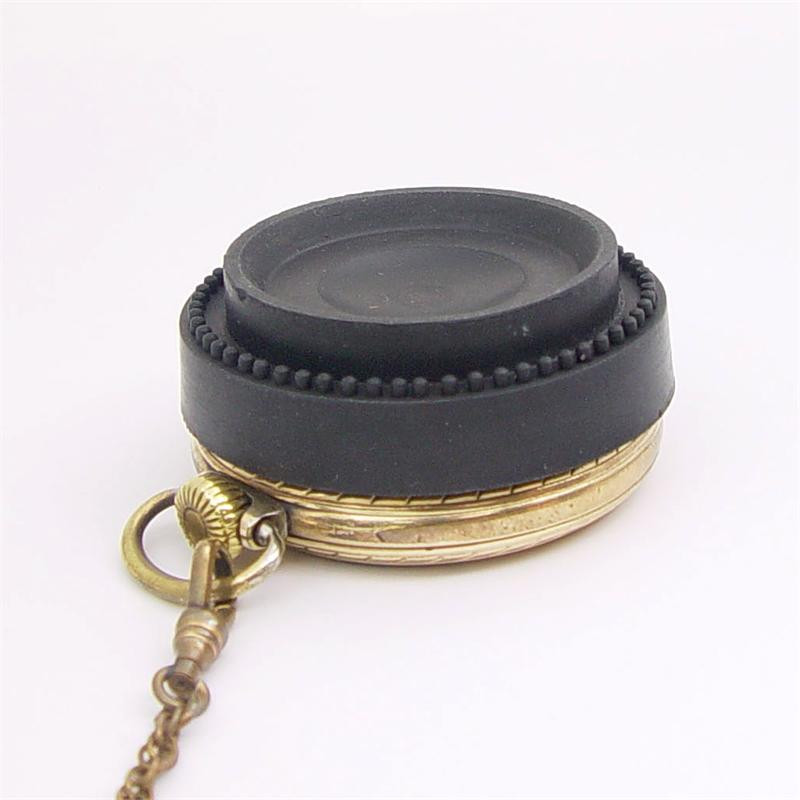
When hand pressure fails, enhance your grip with common household items. Many Illinois watches have not been opened in decades, causing threads to seize from dirt, corrosion, or dried lubricant.
Try the Rubber Ball Method
• Press a rubber stress ball or jar opener firmly against the caseback
• Twist counterclockwise using friction between rubber and metal
• Works best when the case is slightly dusty or oily; clean surfaces reduce grip
Note: This method may fail on extremely tight cases, so have backup options ready.
Apply Hot Glue with Popsicle Sticks
For better leverage without scratching:
- Attach two popsicle sticks in a cross pattern over the caseback using hot glue
- Let the glue cool completely before proceeding
- Use the sticks as handles to twist the back off counterclockwise
- Peel off glue residue afterward
User Tip (Jason Moffitt): “Use popsicle sticks or an old WD40 lid, put hot glue on the back and press the lid or sticks in it and let dry, twist it off counter clockwise and peel off glue.”
This method provides excellent control while protecting the case finish.
Loosen Seized Threads with Penetrating Oil

When threads are frozen, a small amount of oil can break the bond without harming the watch movement or dial.
Safe Oil Application Steps
- Place a single drop of WD-40 or PB Blaster along the seam between caseback and case body
- Do not submerge the watch; only let oil wick into the joint
- Wait 6 to 12 hours for capillary action to work through the threads
- Reattempt unscrewing with hand or grip aid
Expert Advice (JohnR725): “You do not have to dip the watch into the penetrating oil. A small amount applied to the edge works just fine. Typically, if it’s an American porcelain dial, they will withstand almost anything.”
Avoid These Mistakes
• Do not spray oil near the crown or stem, which can contaminate the movement
• Never apply heat, as gold-filled cases can delaminate and crystals may crack
Superglue and Nut Technique for Stubborn Cases
When other methods fail, gluing a steel nut to the caseback provides maximum torque without slippage.
Step-by-Step Process
- Clean the caseback center with isopropyl alcohol to remove grease
- Choose a 13/16 inch flange nut (common fit for many Illinois models) or match diameter carefully
- Apply cyanoacrylate (CA) glue to the nut inner face
- Press firmly onto caseback and cure for at least 24 hours
- Reinforce by adding more glue around nut edge; wait another 48 hours for full bond strength
- Secure watch in padded vise lined with old leather strap to protect case sides
- Use a spanner to rotate the nut counterclockwise
User Confirmation (AshF): “Superglue plus nut works very well. Finally the back started to unscrew.”
Remove the Nut Afterward
• Soak a cloth in acetone (nail polish remover)
• Hold it against the glue joint for several minutes
• Twist or gently pry the nut off; glue dissolves cleanly
Pro Tip (oldhippy, watchweasol): “The nut is then removed using acetone. No residue, no damage.”
Prying: Risky but Sometimes Effective
Prying should be a last resort and only attempted if you suspect damaged threads or a misidentified case type.
Use Caution With This Method
Illinois watches are not designed to pry open. But if previous attempts failed and you suspect stripped threads, careful prying might work.
Safe Prying Steps
- Wrap watch edge in thin plastic bag to prevent scratches
- Use plastic pry tool or sharp pocket knife
- Align blade with seam and push inward to create a gap
- Gently twist blade to pop the back open
- Work slowly around edge if resistance is high
User Tip (Dave-1066): “Plastic bag over the back lip, line up a sharp pocket knife edge on the join, push in. It will pop open.”
Warning: This method risks bending the case or cracking gold-filled plating. Only use when sure the case is not threaded or already damaged.
Avoid Common Opening Mistakes
Even experienced collectors make errors when opening vintage Illinois watches.
Mistake #1: Assuming It Pries Open
Many assume a small lip means prying is needed. But Illinois screw-back cases often have a flush seam with no notch for prying.
Mistake #2: Being Too Gentle
Some users hesitate, fearing damage. But firm, consistent turning is often required, especially after 50 or more years of inactivity.
Mistake #3: Confusing Lever-Set with Case Opening
Some Illinois models have a lever near the 1 o’clock position. This is for setting the time, not opening the case. Pulling it does nothing for case removal.
Expert Clarification (Dave Coatsworth): “You have discovered how to set the time on this watch. It is lever set, meaning that you pull out that lever and turn the crown to set the time.”
After Opening: Identify and Preserve
Once the case is open, you can examine the movement, verify authenticity, and begin preservation work.
Read Movement Markings
Typical Illinois movement details include:
• Model designation (such as Sixty Hour Bunn Special)
• Jewel count (often 21)
• Features like Motor Barrel, Double Roller, Adjusted to Temperature and Six Positions
• Serial number for dating (example: 5040445, estimated ~1928)
• Grade and size information
Check Case Engravings
Look for manufacturer markings like Keystone Watch Case Co., material stamps such as 10k Gold Filled, case numbers, and any personal engravings that indicate ownership history.
Historical Insight (Kent): “Your grandfather’s watch is a railroad watch, one that was widely accepted into railroad time service at the time it was built.”
Service and Document the Watch
Opening is just the first step. Proper care ensures longevity and preserves family history.
Schedule Professional Service
Even if running well, have the movement cleaned and oiled every 5 to 10 years. Avoid long-term use without servicing to prevent accelerated wear.
Create Heritage Record
• Write down ownership history with names, relationships, and dates
• Combine photos, serial numbers, and service records
• Store in printed booklet or USB drive with the watch
Expert Advice (Kent): “Make up a booklet with this and all of the watch information and try to keep it with the watch. This way, the watch has real family heritage.”
Quick Reference: Best Methods Compared
| Method | Best For | Risk Level | Tools Needed |
|---|---|---|---|
| Hand unscrewing | Loose or recently serviced cases | Low | None |
| Rubber ball | Moderate grip issues | Low | Ball or grip pad |
| Hot glue plus sticks | No leverage | Low to Moderate | Glue gun, sticks |
| Penetrating oil | Seized threads | Low (if careful) | WD-40, dropper |
| Superglue plus nut | Extremely tight backs | Low (when done right) | CA glue, nut, wrench |
| Knife pry | Damaged threads only | Moderate | Knife, plastic bag |
Final Tips for Success
• Be patient: These watches were built to last decades. Rushing can ruin craftsmanship.
• Protect finishes: Use cloth, leather, or plastic barriers when applying tools.
• Join the community: Subreddit r/pocketwatch offers videos and real-time help for tricky cases.
Community Resource (robaato72): “There is a video in the pinned post on r/pocketwatch that demonstrates the technique, as well as what to do with other types of pocket watch cases.”
Opening an Illinois pocket watch is not about strength. It is about understanding its design and applying the right technique. With patience and the proper approach, you will safely access the movement, honor its history, and preserve it for future generations.
Frequently Asked Questions About Opening Illinois Pocket Watches
Why will my Illinois pocket watch not open?
Most Illinois pocket watches have screw-back cases that must be unscrewed counterclockwise, not pried open. If you cannot see a notch or lip around the edge, it is likely a threaded case that requires twisting rather than forcing.
What tools do I need to open an Illinois pocket watch?
For most cases, your hands are sufficient. For stuck cases, gather a rubber ball, hot glue and popsicle sticks, penetrating oil, or a superglue-and-nut kit. A padded vise helps secure the watch during stubborn cases.
Can I use WD-40 on my pocket watch?
Yes, but apply it sparingly. Place a single drop along the seam between caseback and case body. Do not submerge the watch, and keep oil away from the crown, stem, and dial to prevent movement contamination.
How do I know if my watch is screw-back or snap-back?
Look for a pry notch or lip around the edge. Screw-back cases have nearly invisible seams with no notches. Railroad-grade Illinois watches almost always use screw-back designs.
Is prying safe for Illinois pocket watches?
Prying should be a last resort. It risks bending gold-filled cases or cracking crystals. Only attempt if you suspect damaged threads and all unscrewing methods have failed.
How do I remove the nut after opening with the superglue method?
Soak a cloth in acetone and hold it against the glue joint for several minutes. The nut can then be twisted or gently pried off, with glue residue dissolving cleanly.