There’s a quiet confidence that comes with wearing a pocket watch—a subtle nod to tradition, elegance, and attention to detail. Once a necessity, now a statement, the pocket watch has evolved from a timekeeping tool into a refined accessory that elevates any suit. Whether you’re preparing for a wedding, stepping into a formal event, or simply embracing classic menswear, knowing how to wear a pocket watch with a suit separates the stylish from the merely dressed.
The key isn’t just owning a pocket watch, it’s integrating it seamlessly into your outfit with purpose and precision. From choosing the right chain to securing it properly on a waistcoat or jacket, every decision affects both function and appearance. And while modern life may favor wristwatches, a pocket watch worn correctly commands presence without shouting for attention.
Choose the Right Pocket Watch Style for Your Suit
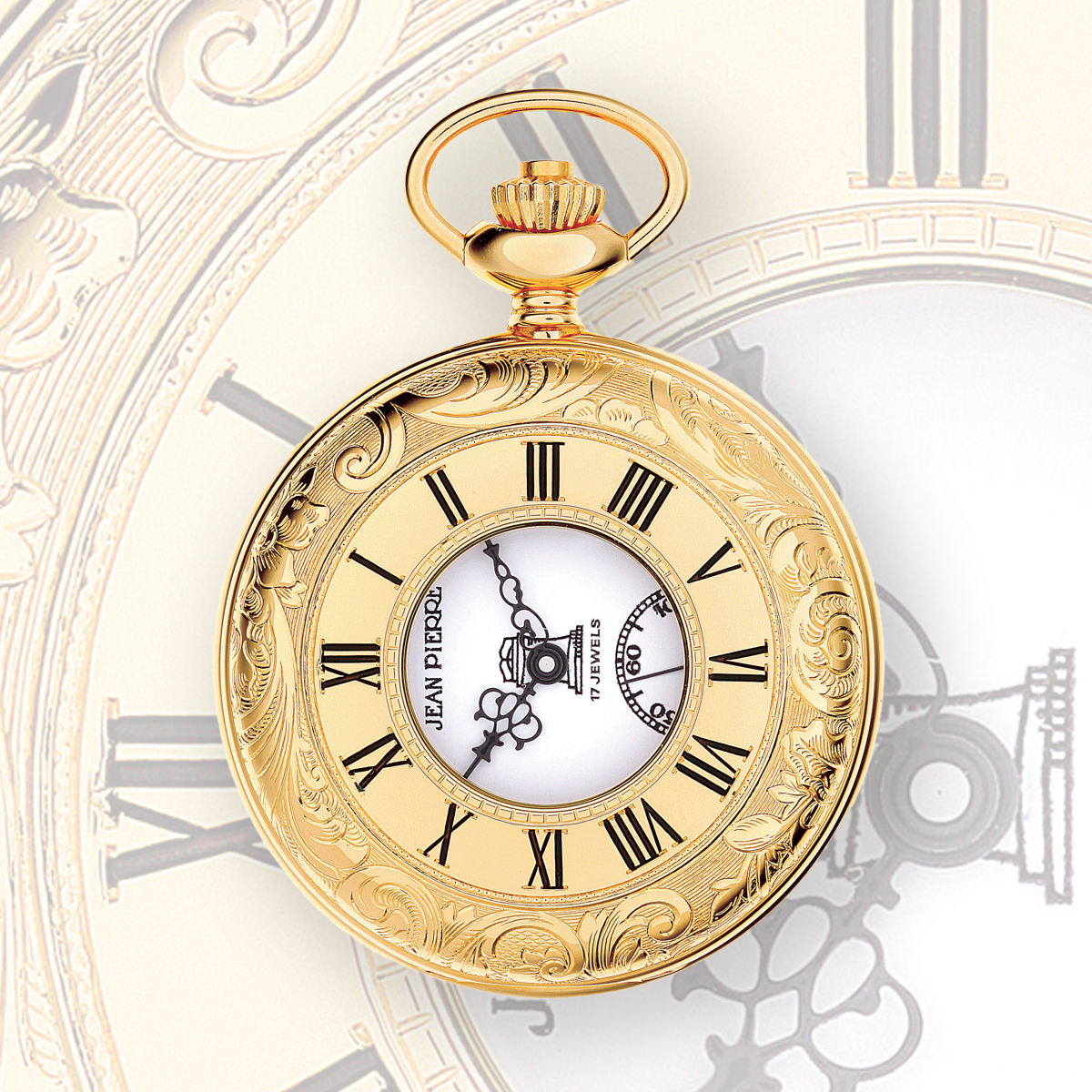
The design of your pocket watch determines how it functions and how formal it appears. Understanding the different case types helps you select the right one for your occasion.
Match Case Type to Occasion
Full-hunter cases feature a hinged metal lid that protects the dial and open with a satisfying click via a crown button. These are ideal for formal events and daily wear. Open-face watches keep the dial always visible, making them faster to read and perfect for costume or vintage-inspired outfits. Half-hunter models feature a small central window, letting you glimpse the time without fully opening the cover. Double-hunter watches have covers on both sides, offering maximum protection and a vintage flair.
Consider these material options for your suit pairing:
• Gold (yellow or rose) pairs beautifully with warm-toned suits like brown, tan, camel, or warm grey
• Silver or stainless steel complements cool tones like navy, charcoal, and black
• Black-coated or enamel finishes create dramatic contrast on black tie ensembles
• Brass or antique finishes work best for period costumes or rustic formalwear
Coordinate Metal with Your Accessories
Always match your pocket watch metal to other accessories. Your cufflinks, tie bar, and belt buckle should share the same finish. A gold watch demands gold accessories, while silver calls for silver. This cohesion creates a polished, intentional look.
Select the Correct Chain Type

The chain serves dual purposes. It prevents dropping or loss while adding visual balance and elegance to your outfit. Choosing the right attachment method matters as much as the watch itself.
Single Albert Chain for Classic elegance
The Single Albert chain runs from the watch to a T-bar that slips through a waistcoat buttonhole, creating one clean diagonal line across the front. This is the most traditional choice for formal wear and works exceptionally well with three-piece suits. The balanced drape creates timeless sophistication without visual clutter.
Double Albert Chain for Symmetrical Style
The Double Albert chain features a central T-bar with two arms—one holding the watch, the other a fob. When worn, it creates two parallel lines from the center of the waistcoat. This offers symmetrical balance and works beautifully for weddings and vintage styling. Choose simple fobs like a coin or engraved tag for professional settings.
Alternative Attachments for Modern Suits
If your suit lacks a waistcoat or functional buttonholes, use a bolt ring or belt slide. A bolt ring attaches to lapel or jacket buttonholes and removes easily. A belt slide works well for trouser carry, ideal for two-piece suits or smart-casual wear.
Wear It with a Waistcoat Properly
The waistcoat method represents the most authentic, secure, and aesthetically pleasing way to wear a pocket watch with a suit.
Position the Watch in the Correct Pocket
For right-handed wearers, place the pocket watch in the lower left waistcoat pocket. Left-handed users should use the right pocket. This allows your dominant hand to stay free while your off-hand retrieves the watch naturally. The watch should sit flat without bulging the fabric.
Thread the Chain Through the Right Buttonhole
Most waistcoats have a third buttonhole above the pocket—this serves as the intended anchor point for the chain. Insert the T-bar of the chain into this buttonhole and let it run diagonally to the watch. Ensure the chain lies flat and taut without sagging. If your waistcoat lacks this buttonhole, a tailor can add one professionally.
Add a Fob for Balance (Optional)
With a Double Albert chain, place the fob in the right pocket. This balances the weight and enhances symmetry. Choose a simple fob and avoid bulky attachments that disrupt the clean line of your suit.
Adapt for a Two-Piece Suit Without a Waistcoat

When wearing a jacket without a waistcoat, you have several practical options to maintain elegance.
Use the Lapel Buttonhole Method
Thread the T-bar or bolt ring through the left lapel buttonhole if it’s functional. Place the watch in the inside breast pocket and let the chain drape vertically down. Never force a T-bar into a stitched-shut buttonhole as this can tear the fabric. A tailor can carefully open a closed buttonhole if needed.
Try the Internal Jacket Pocket for Discretion
For maximum subtlety, place the watch in the inner breast pocket and thread the chain through the internal buttonhole on the pocket flap. Keep the chain on the same side without crossing it over your body. This keeps the watch accessible but nearly invisible—perfect for daily professional wear.
Alternative Methods When Traditional Options Aren Available
Sometimes traditional anchor points aren’t available. Here are practical workarounds.
Attach to a Belt Loop
Use a belt slide or bolt ring attached to a front belt loop. Store the watch in the front trouser pocket on the non-dominant side. This works best with dark, slim-fit jeans, a blazer, and loafers. Avoid this method with light-wash or baggy denim.
Use a Shirt Buttonhole Hidden Beneath Your Jacket
Insert the T-bar into a lower shirt buttonhole and place the watch in the trouser pocket. Let the chain run hidden beneath the jacket. Ensure the shirt doesn’t pull or pucker when the jacket is buttoned—this method works best with well-fitted shirts.
Avoid Common Pocket Watch Mistakes
Don’t Wear It Like a Necklace
Necklace-style wear breaks traditional menswear rules. A pocket watch worn as a pendant over a shirt or sweater may look theatrical but not elegant with a suit. Only wear it this way in artistic, themed, or performance contexts.
Don’t Over-Accessorize
One standout accessory is enough. Avoid wearing a flashy wristwatch alongside a pocket watch. Skip multiple fobs, charms, or oversized chains unless you’re in character for a specific event.
Don’t Use Flimsy Chains
A thin or plated chain can snap, leading to a dropped watch. Choose solid metal chains at least 4mm thick. T-bar and bolt ring attachments prove more secure than basic clips.
Style Your Pocket Watch by Occasion
For Weddings and Formal Events
This represents the perfect context for a pocket watch. Wear it with a three-piece suit, bow tie, and cravat. Use a Single or Double Albert chain through the waistcoat. Add a meaningful fob with initials, a wedding date, or a family crest. Coordinate the watch metal with your cufflinks and boutonnière pin.
For Business and Professional Settings
Pocket watches work well in conservative fields like law, finance, or diplomacy when done subtly. Choose a plain silver or steel watch. Use a minimal chain or wear it in the inner jacket pocket. Avoid ornate designs or dangling fobs.
For Smart Casual and Casual Wear
You can wear a pocket watch with chinos or jeans when styled correctly. Pair it with a crisp dress shirt, structured blazer, and dark slim-fit jeans. Use a belt slide chain attached to a front belt loop. Avoid light-wash, ripped, or baggy jeans.
Maintain Your Pocket Watch Properly
Wind It Daily
Most mechanical pocket watches need daily winding. Wind in the morning or evening and turn the crown gently until you feel resistance. Never overwind. Power reserve typically lasts 36 to 48 hours.
Clean and Polish Regularly
Wipe the case and crystal with a lint-free cloth after each use. Polish silver watches every 3 to 6 months to prevent tarnishing. Polish gold every 6 to 12 months. Use metal-specific polish and a cotton swab for engraved areas.
Store It Correctly
Keep your pocket watch in a soft pouch or lined box. Avoid magnets, moisture, and extreme temperatures. For long storage, partially wind the watch to reduce spring tension.
Final Tips for Wearing a Pocket Watch with Confidence
Match metals across all your accessories. Ensure your watch, chain, cufflinks, tie bar, and belt buckle share the same finish. Chain length matters significantly. Fourteen to 18 inches works best for waistcoat wear, while 20 to 24 inches suits belt loop use. The chain should allow smooth, one-handed retrieval without stretching or bending.
Practice pulling out and opening the watch before any big event. For hunter-case watches, press the crown with your thumb while lifting from the pocket. Close it cleanly and return it without fumbling. The motion should feel natural, not performative.
Wear your pocket watch with intention. Whether you go full vintage with a waistcoat and fob or keep it subtle with a hidden chain, the key is wearing it because it feels authentic to you.
Frequently Asked Questions About Wearing a Pocket Watch with a Suit
Can I wear a pocket watch with a two-piece suit?
Yes, you can wear a pocket watch with a two-piece suit. Use a bolt ring attached to the lapel buttonhole or place the watch in the inside breast pocket with a minimal chain. This method offers subtle elegance suitable for business settings.
Which pocket should a right-handed person use for a pocket watch?
Right-handed individuals should place the pocket watch in the left waistcoat or trouser pocket. This allows the dominant hand to remain free while the non-dominant hand retrieves and opens the watch naturally.
Do the metals need to match between my pocket watch and other accessories?
Yes, matching metals creates a cohesive, polished look. Gold pocket watches should pair with gold cufflinks and tie bars. Silver or stainless steel watches complement silver accessories.
How long should a pocket watch chain be?
For waistcoat wear, 14 to 18 inches provides ideal length. For belt loop or lapel use, 20 to 24 inches works better. The chain should allow smooth retrieval without sagging or excessive swinging.
Is it appropriate to wear a pocket watch to a wedding?
Absolutely. Weddings represent the most popular context for wearing pocket watches. A three-piece suit with an Albert chain through the waistcoat creates instant sophistication. Coordinate the watch metal with cufflinks and other wedding accessories.
Key Takeaways for Wearing a Pocket Watch with a Suit
Wearing a pocket watch with a suit successfully comes down to three essential elements. First, choose the right method for your suit configuration—a waistcoat provides the most authentic approach, while lapel buttonholes or belt loops work for two-piece suits. Second, match your metals consistently across all accessories including cufflinks, tie bars, and belt buckles. Third, prioritize proper chain length and secure attachment to ensure smooth, confident retrieval.
The pocket watch isn’t outdated. It’s timeless. And when worn the right way—with the right chain, in the right pocket, on the right suit—it doesn’t whisper of the past. It speaks volumes in the present.