Choosing the right leather watch band can completely transform your timepiece, elevating it from a simple tool to a personal statement. Whether you own a luxury dress watch or a rugged field piece, the types of leather watch bands available today offer something for every style preference and budget. From everyday calfskin to exotic stingray, understanding what sets each leather type apart helps you make a smarter purchase decision. This guide covers every major leather variety by source, quality tier, and intended use, so you can find the perfect match for your wrist and lifestyle.
You’ll learn how leather grades affect durability and aging, which exotics justify their premium price, and what construction details separate a throwaway strap from one that lasts decades. We also cover tanning methods, care tips, and trusted brands worth considering.
Best Leather Sources for Watch Bands
Calfskin: The Dress Watch Standard
Calfskin comes from young cattle and delivers the refined, smooth texture that luxury dress watches demand. Its fine, uniform grain and soft, supple feel make it comfortable from day one, eliminating the break-in period required by thicker leathers. Most calfskin straps measure 2.5 to 3.5 mm thick, providing enough structure to hold its shape while remaining slim enough for elegant dress watches.
This leather develops a subtle patina over time, gaining character without looking worn out. It accepts various finishes, from high-gloss polish to vintage matte, giving you options ranging from boardroom-appropriate to casually sophisticated. However, calfskin scratches easily and offers no water resistance, so it requires regular conditioning and careful handling. Premium brands like Rolex, Delugs, and The Strap Tailor use calfskin for their OEM and aftermarket straps, with prices ranging from $50 for standard options to $150 or more for premium handcrafted versions.
Full-Grain Cowhide: Built to Last
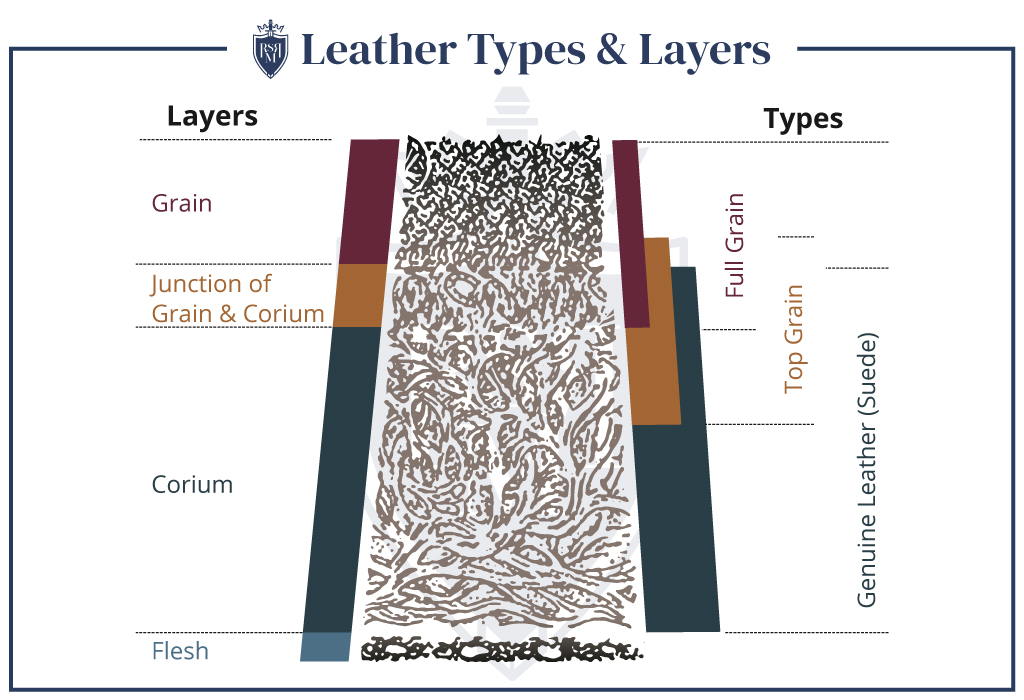
Full-grain cowhide represents the highest quality leather available, retaining the hide’s natural grain layer without sanding or correction. This means every strap showcases the hide’s original texture, including subtle imperfections that make each piece unique. Full-grain leather develops a deep, rich patina over years of wear, a characteristic that collectors actively seek out and that transforms your strap into a personal artifact.
This leather typically ranges from 2 to 4 mm thick, though padded versions can reach 6 mm for more substantial straps. It breathes well, resists abrasion excellently, and outlasts virtually any other leather type. The trade-off is an initial stiffness requiring a one to two week break-in period, but the long-term durability makes this worthwhile. Horween and Conceria Walpier produce some of the most sought-after full-grain leathers, used by artisan strap makers worldwide. Expect to pay more for this quality, but the lifespan justifies the investment.
Top-Grain Cowhide: Polished Refinement
Top-grain leather starts as the hide’s outer layer but undergoes sanding to remove surface blemishes, creating a smooth, uniform appearance. While this process sacrifices some durability compared to full-grain, it delivers a cleaner aesthetic that appeals to those preferring a pristine look. Top-grain resists surface wear better than full-grain, making it practical for daily use where scratches are a concern.
Most premium leather straps sold by major retailers use top-grain because it offers the best balance between cost, appearance, and durability. WatchGecko and Delugs both feature top-grain options extensively in their catalogs. The trade-off is minimal patina development; your strap maintains its original appearance rather than evolving with wear. For those who prefer their watch to always look new, top-grain delivers that polished look effectively.
Crazy Horse Leather: Vintage Character
Crazy Horse leather is full-grain cowhide treated with oils and waxes during tanning, creating a distinctive pull-up effect. When you bend or rub the leather, the color temporarily lightens, revealing the oils beneath and creating a lived-in appearance immediately. This effect intensifies over time, producing a deep amber patina that vintage enthusiasts prize.
This leather offers excellent durability and moderate water resistance thanks to the wax impregnation. It resists cracking and drying better than untreated leathers, requiring less maintenance overall. Re-waxing every six to twelve months keeps it supple and maintains that distinctive character. Zuludiver and Cascadia Strap Co. use Crazy Horse for their rugged, military-inspired designs, pairing perfectly with field watches and vintage-style divers. The initial stiffness requires patience, but the character development rewards long-term wear.
Bison Leather: Bold and Distinctive
Bison leather features a pronounced, irregular grain pattern that stands out dramatically against standard cowhide. The thicker, more robust hide creates straps with serious visual weight and tactile presence, making it ideal for statement pieces that demand attention. While less common than bovine options, bison offers unique character that appeals to those seeking something different.
This leather excels in casual and outdoor settings where its bold texture complements rugged aesthetics. It lacks the refinement for formal wear but delivers personality where formality isn’t required. Durability matches or exceeds standard cowhide, ensuring your statement strap lasts as long as its appearance commands attention.
Goat, Pig, and Horse Leathers
Goatskin: Summer-Ready Comfort
Goatskin, also called chèvre, combines surprising strength with lightweight properties, outperforming calfskin in durability while weighing less than cowhide. Its tight, slightly pebbled grain feels cool against the skin, making it exceptionally comfortable in warm weather. The natural breathability and moisture-wicking properties resist sweat better than most leathers, extending comfort during summer wear.
This leather typically costs under $120, offering excellent value for quality. Kurono Tokyo includes goatskin on select models, and many custom strap makers prefer it for everyday straps. The slightly stiffer initial feel softens quickly with wear, and the overall comfort makes goatskin ideal for active lifestyles and anyone who runs warm.
Pigskin: Premium Lining Material
Pigskin rarely appears as an exterior layer but excels as a lining material in high-end straps. Its natural flexibility exceeds calfskin, and the porous structure wicks moisture away from your skin, preventing discomfort and odor during extended wear. When paired with calfskin or full-grain exteriors, pigskin linings enhance comfort without adding noticeable bulk.
The Strap Tailor and John Rousseau use pigskin linings as a hallmark of quality construction. When shopping for straps, look for “pigskin-lined” in product descriptions, as this signals attention to comfort and durability in the details that matter most.
Shell Cordovan: The Ultimate Dress Leather
Shell cordovan comes from the fibrous shell layer beneath a horse’s hide, specifically from the rump area. This isn’t traditional hide but a distinct tissue layer that produces leather with unique properties. Horween Leather Company in Chicago produces nearly all the world’s shell cordovan, using a process taking at least six months of traditional vegetable tanning.
The result is a leather with mirror-like luster that resists creasing entirely, feeling almost like it disappears on your wrist. At 2 to 3 mm thick, it’s perfect for slim dress watches where bulk would look inappropriate. The limited color options include burgundy, black, and oxblood, classic shades that complement formal attire perfectly.
The downsides are significant: expect to pay $200 or more, and accept limited breathability in hot weather. However, for elegance and longevity that requires minimal care, no other leather matches cordovan. Many collectors consider it the definitive dress watch leather, worth the premium for special occasions.
Exotic Leathers: Luxury and Statement

Alligator: The Classic Luxury
Alligator leather, particularly from farmed Louisiana belly skin, remains the benchmark for luxury straps. Its symmetrical, glossy scales project prestige immediately, which is why Rolex, Audemars Piguet, and Seiko use it on their highest-end models. The belly skin produces the largest, most uniform scales, making it the preferred cut for premium straps.
This leather is stiff initially but softens pleasantly with wear, similar to quality cowboy boots. It resists scratching well and maintains its luxurious appearance for years. The main drawbacks are price starting around $200 and lack of breathability, making it unsuitable for workouts or hot weather wear. Black or brown alligator pairs beautifully with platinum or white gold dress watches for maximum impact.
Crocodile: Wilder Texture
Crocodile leather has a rougher, more irregular scale pattern than alligator, creating a slightly wilder appearance. While sometimes perceived as less luxurious, Patek Philippe and Vacheron Constantin both use crocodile in their collections, confirming its premium status. The more pronounced texture appeals to those wanting distinction from common alligator straps.
U.S. import restrictions under CITES make crocodile harder to source than alligator, affecting availability and price. If you want a bold, textured look that stands apart from standard luxury options, crocodile delivers that distinctive character effectively.
Ostrich: Tactile Luxury
Ostrich leather features distinctive quill follicle bumps that create a peppery, tactile surface immediately recognizable. This texture adds visual interest and luxury presence without being ostentatious. The leather softens further with age and resists scratching better than you might expect, making it surprisingly practical for regular wear.
Available in rich colors, ostrich works well for fashion-forward designs and formal occasions where you want texture to complement your outfit. It’s less common than alligator but equally premium, offering a unique alternative for those seeking something different.
Lizard Skin: Refined Understatement
Lizard skin is thin and lightweight, adding minimal bulk while delivering sophisticated refinement. Its intricate scale pattern provides visual interest without the bold statement of larger exotics, perfect for vintage watches and smaller case designs. The sleek profile and deep color options create an understated elegance that complements classic timepieces.
Pair lizard skin with vintage Omega or Jaeger LeCoultre watches for sophisticated vintage character that doesn’t overpower the design. It’s a quieter luxury that appeals to those who appreciate quality without broadcasting it.
Stingray: Nearly Indestructible
Stingray leather, also called galuchat, features a distinctive bead-like, pebbled texture that shimmers under light. It’s one of the most scratch-resistant natural leathers available, standing up to years of hard wear while maintaining its unique appearance. This durability makes it popular in haute horology and high-end custom straps.
The glossy finish and one-of-a-kind texture create exotic appeal that works well for fashion-forward or luxury timepieces. Stingray delivers the look of exotic leather with practical durability that everyday wear demands.
Sharkskin: Metallic Durability
Sharkskin has a hard, pebbled surface with a distinctive metallic sheen that catches light dramatically. Its natural durability and water resistance are exceptional, but ethical concerns regarding shark populations limit its appeal. Most authentic sharkskin straps line the interior with Alcantara or calf leather for comfort against your skin.
At $200 or more, authentic sharkskin straps from brands like Pasqualini Straps carry premium pricing due to both quality and sourcing challenges. The stiff feel and ethical considerations make it a niche choice rather than mainstream option.
Suede and Nubuck: Casual Comfort
Suede: Soft and Warm
Suede comes from the inner layer of hide, buffed to create a velvety nap that’s soft and warm against your skin. Described as “sweatpants on the wrist,” suede delivers exceptional comfort that casual settings demand. It’s particularly popular for winter wear, adding warmth that smooth leather lacks.
The downside is durability. Suede absorbs moisture easily, stains quickly, and wears out faster than other leathers. Many watchmakers replace suede straps at each service interval. High-quality versions use calf or pigskin backing to reduce sweat absorption, extending useful life somewhat. Avoid water entirely and use a soft brush for cleaning.
Nubuck: Suede’s Tougher Relative
Nubuck is sanded on the outer side of the hide rather than the inner, giving it that velvety feel while improving durability. It resists wear better than suede while maintaining similar softness and casual appeal. Both remain informal options unsuitable for dress watches, but nubuck offers slightly better longevity for practical casual wear.
Protect nubuck from oils and water to maintain its appearance. The modern, understated luxury vibe works well with casual straps where refinement meets relaxed style.
Leather Quality: Understanding the Grades
Full-Grain vs. Top-Grain Comparison

Full-grain leather retains the complete natural grain layer, making it the most durable option that develops beautiful patina over time. The slight imperfections visible in full-grain straps are natural characteristics, not defects, and contribute to each strap’s unique character. This is the quality serious collectors seek.
Top-grain leather is sanded to remove blemishes, creating a smooth, uniform appearance that resists scratches better than full-grain. The trade-off is minimal patina development; your strap stays looking like new rather than evolving with wear. For those prioritizing appearance over aging character, top-grain delivers effectively.
Avoid “genuine leather” entirely. This marketing term typically indicates split layers or scraps glued together, prone to cracking and short-lived. Always check product details for specific leather types rather than relying on marketing language.
Why Bonded Leather Fails
Bonded leather consists of leather fibers glued together with adhesive, representing the lowest quality option available. It cracks, peels, and deteriorates quickly, making it a false economy despite lower initial cost. Professional strap makers never use bonded leather for quality products.
Tanning Methods: How They Affect Your Strap
Vegetable Tanning: Natural Aging
Vegetable tanning uses natural tannins from tree bark and plant matter, producing leather capable of developing warm, rich patina over time. This traditional method takes months but creates leather with organic feel and character that improves with age. It’s also more environmentally friendly and biodegradable than chrome alternatives.
Horween and Conceria Walpier use vegetable tanning for their premium leathers. WatchGecko promotes these straps for sustainability-conscious buyers seeking natural aging characteristics.
Chrome Tanning: Quick and Soft
Chrome tanning uses chromium salts to produce soft, consistent leather quickly, often in just days versus months. The result feels slightly synthetic and may have a chemical odor initially, but the softness appeals to those wanting immediate comfort. Color remains consistent longer, but character development is minimal.
Most mass-produced straps use chrome tanning for cost and speed advantages. The trade-off is less natural aging potential compared to vegetable-tanned alternatives.
Combination Tanning: Balanced Approach
Combination tanning blends chrome and vegetable methods, seeking balance between softness and patina potential. Premium brands increasingly adopt this hybrid approach for straps designed to offer both comfort and character development.
Construction Details That Matter
Layered Build Quality
Quality straps consist of three distinct layers. The top layer uses full-grain or top-grain leather visible externally. The middle padding layer provides shape and comfort, often using synthetic materials like Velodon to prevent stretching. The inner lining contacts your skin and should be soft, sweat-resistant material like pigskin or Zermatt-treated leather.
Manufacturers often cut costs by using inferior lining materials, affecting long-term comfort and durability. Check specifications for lining materials, as this reveals construction quality.
Lining Treatments and Sweat Resistance
Zermatt treatment applied to linings provides moisture protection that extends strap life significantly, especially for those who sweat heavily. Will2525 uses Zermatt on all custom bands, prioritizing wearer comfort and durability. This treatment prevents the cracking and deterioration that sweat causes over time.
Stitching Quality Indicators
Machine stitching appears on most quality straps, offering reliable durability at reasonable cost. Hand-stitched straps represent artisanal craftsmanship found in bespoke products, with each stitch individually placed for superior durability and visual appeal. Even, secure stitching indicates quality construction, while fraying signals poor craftsmanship.
Contrast stitching adds visual flair, using colored thread against dark leather for added style. This detail elevates otherwise simple straps visually without affecting function.
Fit, Care, and Trusted Brands
Getting the Right Size
Measure your watch lugs to determine correct width: 18mm, 20mm, and 22mm are most common. Standard strap length runs approximately eight inches, fitting wrists around seven inches with adjustment room. Use a spring bar tool for traditional straps or quick-release bars for tool-free swaps.
Extending Strap Life
Wipe your strap dry after each wear to remove moisture. Apply leather conditioner every three to six months to prevent drying and cracking. Store flat or on a strap holder away from direct sunlight. Rotate straps seasonally, using suede in winter and breathable options like goatskin in summer.
Brands Worth Considering
Delugs offers transparent sourcing with tannery details and 4.9-star ratings from thousands of reviews. The Strap Tailor provides hand-stitched quality with cordovan and exotic options. John Rousseau brings 60 years of French bespoke craftsmanship. Zuludiver focuses on rugged, military-style options in Crazy Horse leather.
Frequently Asked Questions About Types of Leather Watch Bands
What is the most durable leather for watch bands?
Full-grain cowhide offers the highest durability among common leathers, developing rich patina while lasting decades with proper care. Shell cordovan matches or exceeds this durability while offering superior elegance for dress watches. Exotic leathers like alligator and stingray also provide excellent longevity when maintained properly.
Which leather watch band is best for summer?
Goatskin excels in warm weather due to its lightweight nature, excellent breathability, and natural moisture-wicking properties. It stays cool against your skin and resists sweat-related deterioration better than heavier leathers. Calfskin works reasonably well but requires more careful handling in heat.
How do I identify quality leather watch bands?
Look for full-grain or top-grain leather explicitly listed in specifications. Check for quality lining materials like pigskin or Zermatt-treated leather. Examine stitching for evenness and security. Quality brands like Delugs and The Strap Tailor provide transparent sourcing information, making verification straightforward.
What is the difference between genuine leather and full-grain leather?
Genuine leather is a marketing term typically indicating lower-quality split layers or scraps, prone to cracking and short lifespan. Full-grain leather uses the complete natural grain layer, offering superior durability and aging potential. Always verify specific leather types rather than accepting marketing claims.
How often should I condition my leather watch band?
Condition leather watch bands every three to six months, depending on wear frequency and environmental conditions. More frequent conditioning helps in dry climates or with heavy wear. Wipe the strap dry after each wear and condition before storage to maintain flexibility.
Can I wear leather watch bands in water?
Avoid water exposure for most leather straps. Shell cordovan and Crazy Horse offer slight water resistance but perform best when kept dry. For water activities, use rubber or NATO straps instead of leather to prevent damage and extend the strap’s lifespan.
Choosing Your Perfect Leather Watch Band
The right leather watch band transforms your timepiece while reflecting your personal style and appreciation for quality craftsmanship. Whether you choose the timeless elegance of shell cordovan for formal occasions, the rugged character of Crazy Horse for everyday wear, or the exotic presence of alligator for statement pieces, each leather type offers a unique aging journey.
Prioritize full-grain or top-grain leathers from transparent sources, check construction details like lining materials and stitching quality, and rotate straps seasonally to maximize lifespan. With proper care, a quality leather strap lasts for years, developing character that makes it uniquely yours. Use this guide to choose confidently, knowing you’ve considered all the factors that separate throwaway straps from lasting investments.